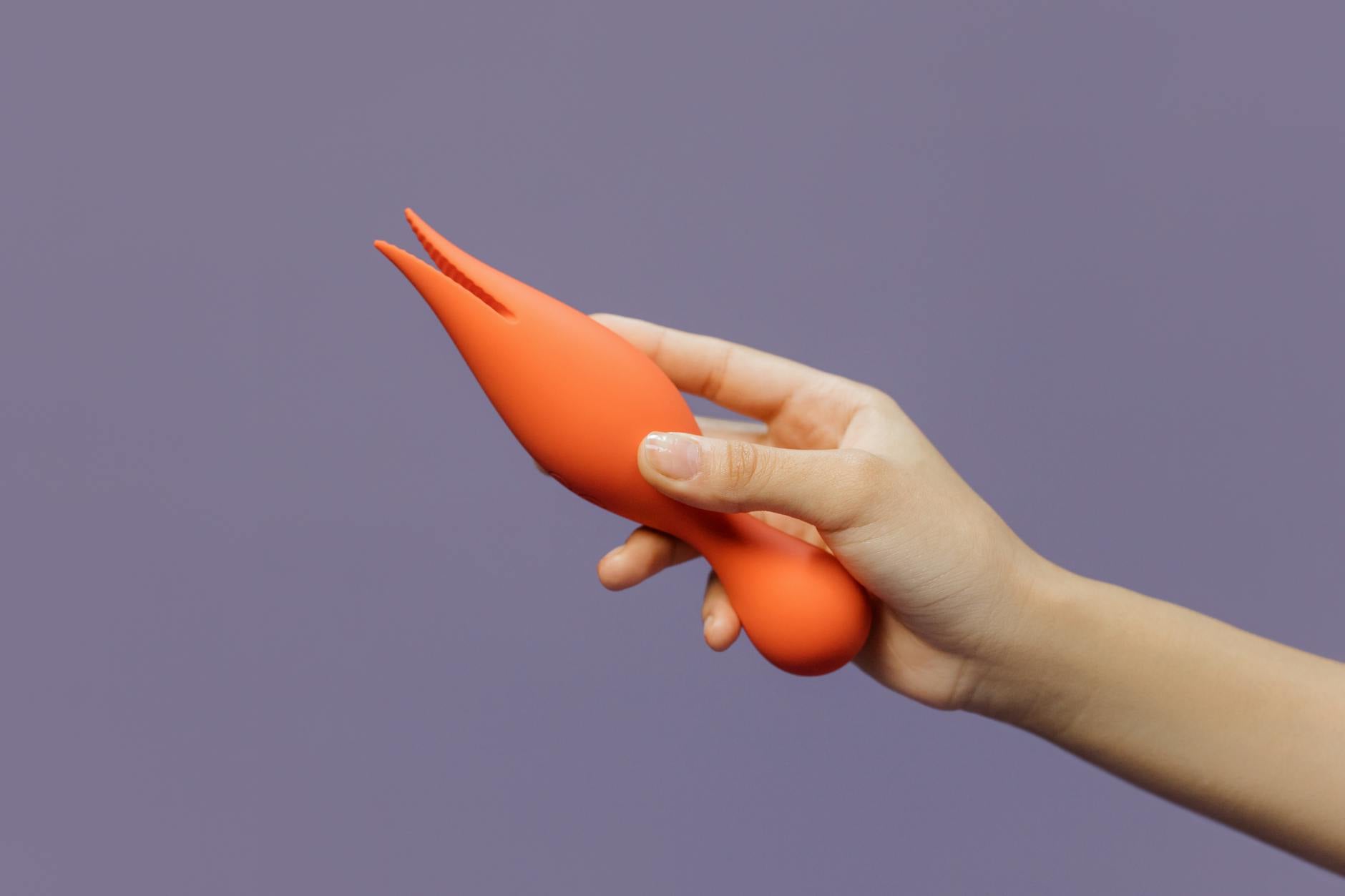
Let's talk about what burnout actually does to your body
Chronic stress doesn't just make you tired. It rewires your nervous system. Your body goes into survival mode, and the first thing that gets sacrificed is pleasure. Not because you don't want it. Because your brain has decided it's not safe to relax enough to feel it.
When you're burned out, arousal stops working the way it used to. Your clitoris might feel numb. Your body takes forever to respond. Orgasms feel distant or impossible. You might have zero interest in sex, even with a partner you love. This isn't broken. This is your stress response doing its job too well.
The good news? You can teach your nervous system to feel good again. And a lemon clitoral vibrator is one of the most effective tools I've seen for jumpstarting that process.
How chronic stress flattens sensation
When you're under sustained stress, your cortisol stays elevated. This triggers vasoconstriction, which means blood vessels constrict and less blood flows to your genitals. Less blood flow equals less sensation, less lubrication, and slower arousal. Your pelvic floor tightens defensively. Your brain stays in fight-or-flight mode instead of shifting into the parasympathetic state where pleasure lives.
At the same time, stress depletes dopamine. That's the neurotransmitter that makes pleasure feel like pleasure. Without it, even stimulation that should feel amazing just feels neutral. Your body isn't broken. It's protecting you from any demand it perceives as a threat.
This is why traditional vibrators often feel disappointing when you're burned out. A standard vibrator requires your body to do most of the arousal work. If your nervous system is still in protection mode, it won't. You'll feel frustrated, and that kills your motivation to try again.
Why lemon vibrators work differently when you're recovering
A lemon clitoral vibrator uses air-suction technology instead of straight vibration. This matters enormously when you're coming back from burnout. Suction stimulates the clitoris without requiring your body to first achieve baseline arousal. You don't have to wait for blood flow to increase and tissues to swell. The suction does part of that work for you.
Lem vibrators and similar lemon-shaped clitoral suckers also provide rhythmic, predictable stimulation. Your stressed nervous system likes predictability. It feels safe. Once your body realizes the sensation is consistent and comes from something you control, your parasympathetic system can start to engage. That's when pleasure becomes possible again.
Another reason these lemon sexual toys work: they're gentler on sensitive, depleted tissue. When you're burned out, your vulva might feel oversensitive or completely numb. A suction vibrator lets you control intensity by moving slightly or changing suction strength. Traditional vibrators give you high or low. That's it. A lemon vibrator gives you precision.
The neuroscience of rebuilding pleasure
Your brain is plastic. When pleasure pathways have been dormant from months of stress, using them regularly rewires them. Each time you use a lemon vibrator and experience sensation, you're sending a signal to your brain: "This is safe. This is worth paying attention to." Over time, your dopamine receptors upregulate. Arousal gets easier. Orgasm becomes achievable again.
This process takes time. You won't go from numb to multiorgasmic in a week. But most of my clients notice shifts within two to three weeks of consistent use. Not necessarily earth-shattering orgasms at first. Just sensation. Recognition. A small spark of "oh, there it is."
The key is consistency without pressure. Use the vibrator when you have even mild interest, not when you're forcing it. Let your body remember what pleasure feels like at its own pace. A lem vibrator is forgiving in this way because the suction technology means even small amounts of interest can lead to noticeable sensation.
Practical approach to rebuilding sensation
Start in a low-stress moment. Not after a brutal workday when your nervous system is still activated. Maybe a weekend morning or an evening after you've had time to decompress. Give yourself 20-30 minutes without interruption or time pressure.
Use lube, even if you think you don't need it. Stress depletes natural lubrication. Water-based lube signals to your body that this is okay, that you're taking care of yourself. This sounds small. It's not. Self-care cues help your nervous system downshift.
Start on the lowest setting. The suction of a lemon clitoral vibrator might feel intense at first if your clitoris is numb or oversensitive. Low setting lets you acclimate. You can always increase intensity, but starting soft teaches your body it's safe to receive this kind of touch.
Don't goal-seek orgasm. This is crucial. If you're using the vibrator thinking "I need to come for this to count," you've re-introduced pressure. Pressure is what got you into burnout. Instead, aim for sensation. For noticing. For your brain to register "I felt something pleasant." That's the win.
What's happening in your relationship during this recovery
If you have a partner, burnout often creates a rift. You have no energy for sex. They feel rejected. You feel pressured. Everyone's frustrated. A lemon vibrator isn't couples therapy, but it can interrupt that cycle.
When you start rebuilding pleasure privately, you're not doing it under the weight of your partner's expectations. You're not performing. You're learning to feel again for you. Once you've rebuilt some baseline sensation and arousal capacity, partnered sex becomes optional again instead of obligatory. That shift changes everything.
You might also use a lemon vibrator together. Some partners find it easier to engage with toys than with direct touch when reconnection feels awkward. The vibrator becomes a bridge. It gives your partner something to do that feels nurturing instead of demanding. The rhythm and suction create a focal point that takes pressure off both of you.
If you're a solo person rebuilding pleasure, lemon vibrators offer something else: autonomy. You're not waiting for someone else to help you feel good. You're taking that back yourself. That agency matters for recovery from burnout, which often involves losing control over your time and energy.
Managing the grief layer
Sometimes when people start rebuilding pleasure after burnout, they feel grief. Grief that they lost months or years of their life to stress. Grief that pleasure became impossible. That's normal. Burnout doesn't just affect your body. It affects your sense of self.
When that hits, you don't have to keep pushing. Using a lemon vibrator isn't obligatory. But I've found that continuing gently, without judgment, helps people move through that grief. Pleasure becomes a way of reclaiming your body. A way of saying "I'm coming back to myself." That's powerful work.
Give yourself permission to take breaks. Some days your body will be ready. Some days it won't. A lemon sexual toy is there whenever you are. No judgment. No performance. Just sensation when you're ready for it.
When to seek additional support
If pleasure isn't returning after four to six weeks of regular use, or if numbness is accompanied by pain or bleeding, check in with a doctor. Chronic stress can reveal underlying health conditions that need professional attention.
If the burnout itself isn't improving, you need more than a vibrator. A therapist who understands nervous system dysregulation can help you actually reduce stress instead of just managing its symptoms. Your body can't truly relax until your circumstances shift or your relationship to them does. A lemon clitoral vibrator supports that process, but it's not a substitute for addressing the root cause.
Many of my clients find that rebuilding pleasure is actually what motivates them to make bigger changes. Once they remember what it feels like to prioritize their own body's needs, setting boundaries at work or in relationships becomes easier. Pleasure becomes permission to take yourself seriously.
People also ask
How long does it take for sensation to return after burnout?
Most people notice small shifts within two to three weeks of consistent use with a lemon vibrator. Full sensation recovery takes longer, usually six to twelve weeks. This depends on how depleted you are, whether you're still in the stressful situation, and your individual nervous system recovery timeline. The key is consistency without pressure.
Can I use a lemon clitoral vibrator if I'm completely numb?
Yes. In fact, air-suction vibrators like lemon vibrators are often easier for people with numbness than traditional vibrators because they stimulate nerves without requiring your body to first achieve arousal. Start on the lowest setting, use plenty of lube, and expect gradual sensation return rather than immediate results.
Should I use a lemon vibrator alone or with a partner?
Both work. Solo use lets you rebuild pleasure without performance pressure. Partner use can rebuild intimacy if you frame it as exploration rather than obligation. There's no right answer. Do what feels less pressured.
What if a lem vibrator feels too intense?
Start on the lowest setting. Move slightly away so the suction is less direct. Use it for shorter sessions, five to ten minutes instead of twenty. Your sensitivity will recalibrate as your nervous system recovers. Backing off intensity is the opposite of failure. It's listening to your body.
Is using a vibrator normal if I'm in a relationship?
Completely normal. Sexual pleasure exists on a spectrum. Some people need vibration to orgasm. Some people use them solo and then partnered. Some people use them together. There's no threshold of "normal." What matters is that you feel good and your partner respects your choices.
Can I rebuild pleasure if I'm still in a high-stress job or situation?
Yes, though it's slower. Your nervous system can start downshifting even in difficult circumstances if you create small pockets of safety and pleasure. That said, pleasure comes back fastest when you're also reducing actual stress. If possible, work on both.
Your body remembers how to feel good
Burnout teaches you that pleasure isn't a priority. Your body believes it. Using a lemon vibrator regularly sends a different message: "Your pleasure matters. Your body deserves to feel good. You're worth the time and attention." That message is powerful, and over time, your nervous system starts to believe it too.
Start small. Lower your expectations. Use a lemon clitoral vibrator not because you have to achieve something, but because you're reclaiming a part of yourself that stress tried to take. That's the whole practice. And it works. Your body wants to feel good again. Sometimes it just needs permission and the right tool.
If you're ready to explore what works for your body, our buying guide walks through clitoral vibrators and how to choose based on your needs. Or if you want to talk through your specific situation, reach out.