Let's start here
Depression doesn't just take your libido. It takes your body's permission to want things. When that fog lifts, libido often doesn't come roaring back like a switch flipping on. It creeps. It arrives sideways. Sometimes it shows up as curiosity before it shows up as desire, which feels like you're still broken until you realize you're just thawing.
If you're reading this, your libido is returning. That's not a small thing.
Why coming back is different from starting out
Your body remembers pleasure differently after depression. Not worse, necessarily. Just different. The nervous system has been in a long, low-level alarm state. Dopamine pathways got quiet. Touch stopped registering as interesting. And even as the depression lifts, your brain doesn't immediately return to its old sexual baseline. It rebuilds from scratch, which means early desire can feel fragile, easily startled, or surprisingly intense in unpredictable moments.
This is why using a lemon clitoral vibrator after depression requires a gentler approach than many guides suggest. You're not optimizing pleasure yet. You're rebuilding trust with your own body.
The first thing to know about sensation returning
When depression eases and libido starts returning, many people experience a weird phase: sensation feels distant. You might touch yourself and feel it physically but not emotionally. Or you feel emotionally ready but your body won't cooperate. This is normal. Your nervous system is recalibrating.
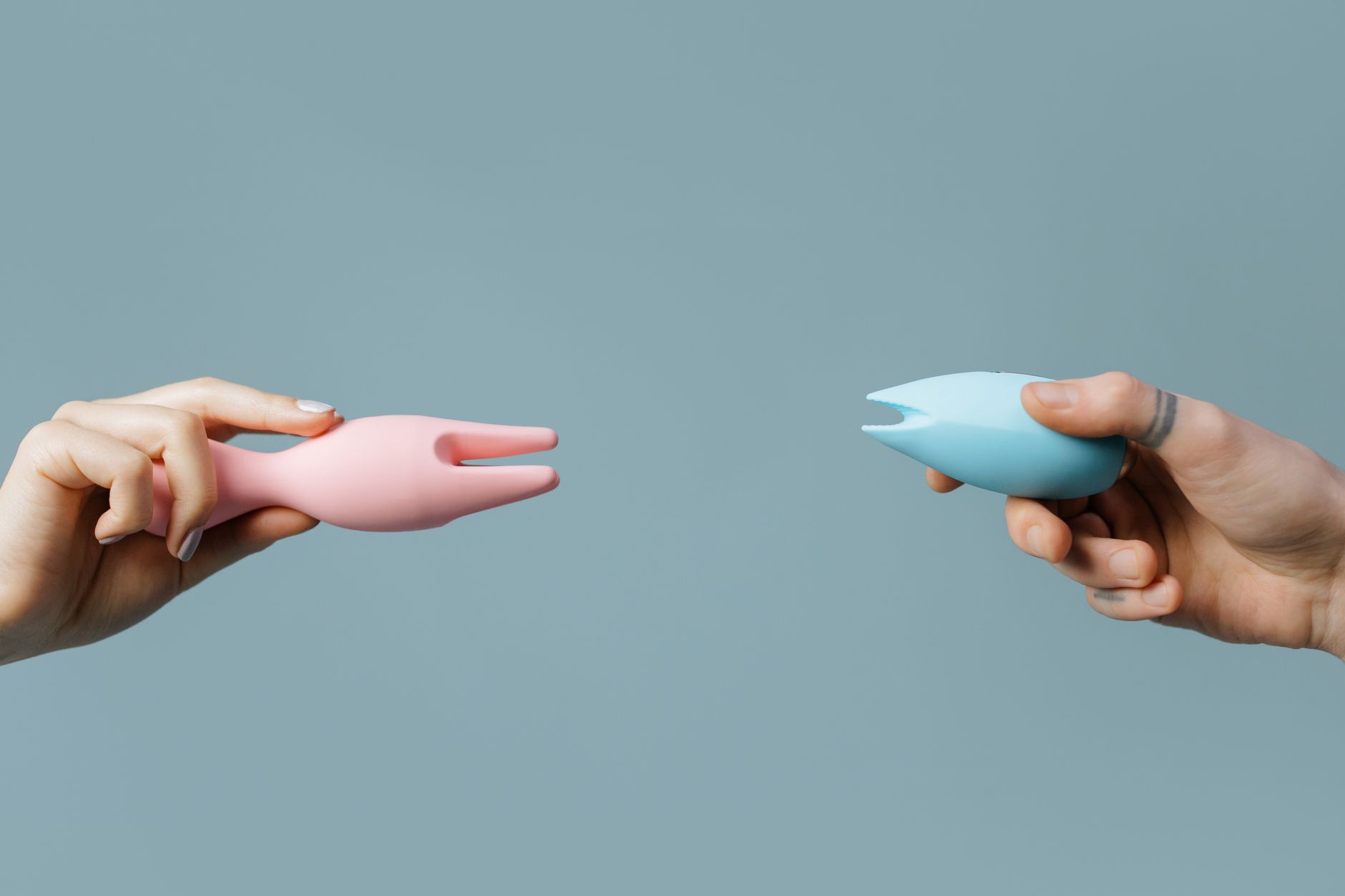
A lemon sucker or air-pulse clitoral vibrator like the Lem works differently from standard vibrators. Instead of direct vibration, it uses gentle suction patterns that stimulate the clitoral complex without the intensity of buzz. This matters when your nervous system is learning to feel again. It's less triggering, more meditative.
Starting small with a lemon vibrator
Honestly though, if you're just getting libido back, don't jump straight to a full toy. Spend a week or two exploring your own touch. No agenda. No expectation of orgasm. Just hands, time, and whatever comes.
When you do introduce a lemon clitoral vibrator, start with the lowest setting. Most air-pulse toys have 5-10 intensity levels. Begin at level 1 or 2. The Lem's gentler patterns are designed to build sensation slowly, which is exactly what a recovering nervous system needs.
Keep sessions short. Fifteen minutes maximum, especially early on. Pressure and expectations can shut down a nervous system that's still learning it's safe to feel.
How to rebuild emotional trust alongside physical sensation
This is the part nobody talks about clearly. Depression often arrives with shame, especially around sexuality. By the time libido returns, that shame is still there, sitting underneath. A lemon vibrator can help rebuild physical sensation, but it can't do the emotional work alone.
Try this: before using any toy, spend two minutes acknowledging what your body went through. Not in a heavy, dramatic way. Just actual words. "I'm here now. My body is learning to feel again. That's okay." It sounds small, but it signals to your nervous system that this is safe, intentional time. Not escape. Not performance. Recovery.
As you explore with a lemon clitoral vibrator, notice where pleasure shows up. Does it live in the clitoris itself, or more in the surrounding tissue? Does it feel best with direct stimulation or with the toy held slightly away? Depression changes the body's map. Your pleasure sites might have shifted. That's not a problem. It's just new information.
The role of lubrication in rebuilding sensation
Depression often comes with dryness. Not just physical dryness, but a general sense that nothing flows easily. When libido returns, you might find that natural lubrication takes time to rebuild. This is especially true if you were on antidepressants, some of which affect hydration throughout the body.
Use water-based lubricant generously. Not because something is wrong, but because it removes friction, which means your nervous system can focus purely on sensation instead of managing discomfort. The Lem pairs beautifully with lube because the seal between the toy and skin needs to be consistent for the suction to work properly.
Water-based lube also means you can explore without worry. No strategic positioning, no nervousness about whether your body is cooperating. You can just feel.
When pleasure returns with your partner
If you're rebuilding libido alongside a relationship, communication becomes the actual tool. Your partner needs to understand that your returning desire might not look like your old desire. You might want touch that's slower, or more predictable, or totally different from what you wanted before depression.
Introducing a lemon vibrator into partnered sex can actually help this conversation. It's a shared focus. It's not about what your body isn't doing anymore. It's about exploring what feels good right now. Many partners find that when they're not bearing the entire responsibility for your pleasure, the pressure drops for everyone and actual connection becomes possible.
Start with the conversation, not the toy. "I'm interested in exploring with a toy. Not instead of you, but alongside." Then follow through. Let your partner see you use the Lem alone first, so they understand how it works and what you're experiencing. Then decide together whether it fits into partnered time.
Managing overstimulation as sensation returns
Here's a counterintuitive thing: as libido returns, sometimes intensity can feel overwhelming too quickly. Depression dulled everything. Now sensation is loud again. You might find that what felt like a reasonable intensity on the Lem suddenly feels like too much.
That's not a sign to stop. It's a sign to dial it back. Lower the intensity. Take breaks between sessions. Your nervous system is recalibrating, and overstimulation can feel like a setback even though it isn't.
Build slowly. Days or weeks between sessions is fine. There's no timeline you need to meet. Your body gets to take its time relearning how to want.
The mental health piece that matters
If your libido is returning because depression is easing, that's often because something external changed, medication shifted, therapy helped, or time passed. Whatever the reason, your returning sexuality is tied to that healing. Protect that. Don't let pleasure become a performance metric or a way to prove you're "better."
You use a lemon clitoral vibrator because it feels good to explore. Not because you're supposed to be sexual again. Not because your partner wants you to be. Because you're curious and your body is asking to feel.
If at any point a session triggers anxiety or old depression patterns, stop. No judgment. Your nervous system is telling you something. Listen.
Practical setup for solo exploration
Create actual space for this. Not just time, but physical space where you feel safe and won't be interrupted. This is your recovery practice. Treat it with the gentleness you'd offer a friend who's healing.
Warm blankets, privacy, your phone on silent. Some people need soft music or an audiobook in the background to settle their nervous system. Others need complete quiet. There's no right way.
Keep your lemon vibrator clean and stored safely. Warm water and mild soap between uses. A dry place away from heat. This small ritual of care extends the message to yourself: your pleasure matters enough to be handled carefully.
When to check in with a therapist
If libido is returning and you're working through depression, your therapist should know you're exploring pleasure again. Not in detail, but enough that they understand you're rebuilding that part of yourself. If sensation is still flatlined after a few months of exploration, or if touching yourself triggers shame or anxiety, that's worth discussing.
Sexual health and mental health are tangled. One supports the other. A clitoral vibrator is a tool, not a therapist, but it can be part of the process of reclaiming your body as yours.
The long version of "you're okay"
Your libido returning doesn't mean you're healed. It means you're healing. Your desire might still be quiet, or strange, or nothing like it was before. That's not failure. That's what recovery looks like. It's incremental. It's nonlinear. It's yours.
A lemon vibrator can help you rebuild sensation. Patience and self-compassion will help you rebuild trust. When both are working together, pleasure starts to feel possible again. Not forced. Not proved. Just possible. And that's enough.