
Here's the thing nobody mentions
Orgasm intensity doesn't have a fixed setting. It changes. Sometimes gradually, sometimes overnight. And most people assume it's broken when really it's just shifted.
I see this pattern constantly in my practice. Someone's been having orgasms the same way for years, and then suddenly they feel less sharp, less all-consuming, sometimes almost muted. The first reaction is usually panic. The second is usually giving up. Neither is necessary.
Why orgasms change intensity over time
Orgasm sensation is shaped by four overlapping factors, and any one of them can shift without warning.
Nervous system sensitivity. Your clitoral nerves don't respond identically throughout your life. Stress, sleep deprivation, age, and hormonal fluctuation all change how sharply your nerve endings fire. When you're burnt out or sleep-deprived, the exact same stimulation that felt incredible last month might feel like a whisper now. This isn't weakness. It's just neurobiology.
Tissue changes. Estrogen levels affect how thick and responsive your clitoral tissue is. You don't have to be menopausal for this to matter. Birth control, medications, chronic stress, and natural aging all shift estrogen. Thinner tissue doesn't conduct sensation as intensely. It's not that you've lost the capacity for pleasure. It's that the signal is traveling through slightly different hardware.
Desensitization. If you've been using the same vibration pattern, speed, and pressure for years, your nerve endings adapt. This is called habituation. Your brain stops registering stimulus that doesn't change. The solution isn't more intensity. It's variation.
Psychological load. Distraction, relationship stress, grief, or just the background hum of modern anxiety dampens sensation. Your brain literally redirects blood flow away from pleasure pathways when you're in threat mode. Even if you're not consciously worried, your nervous system knows.
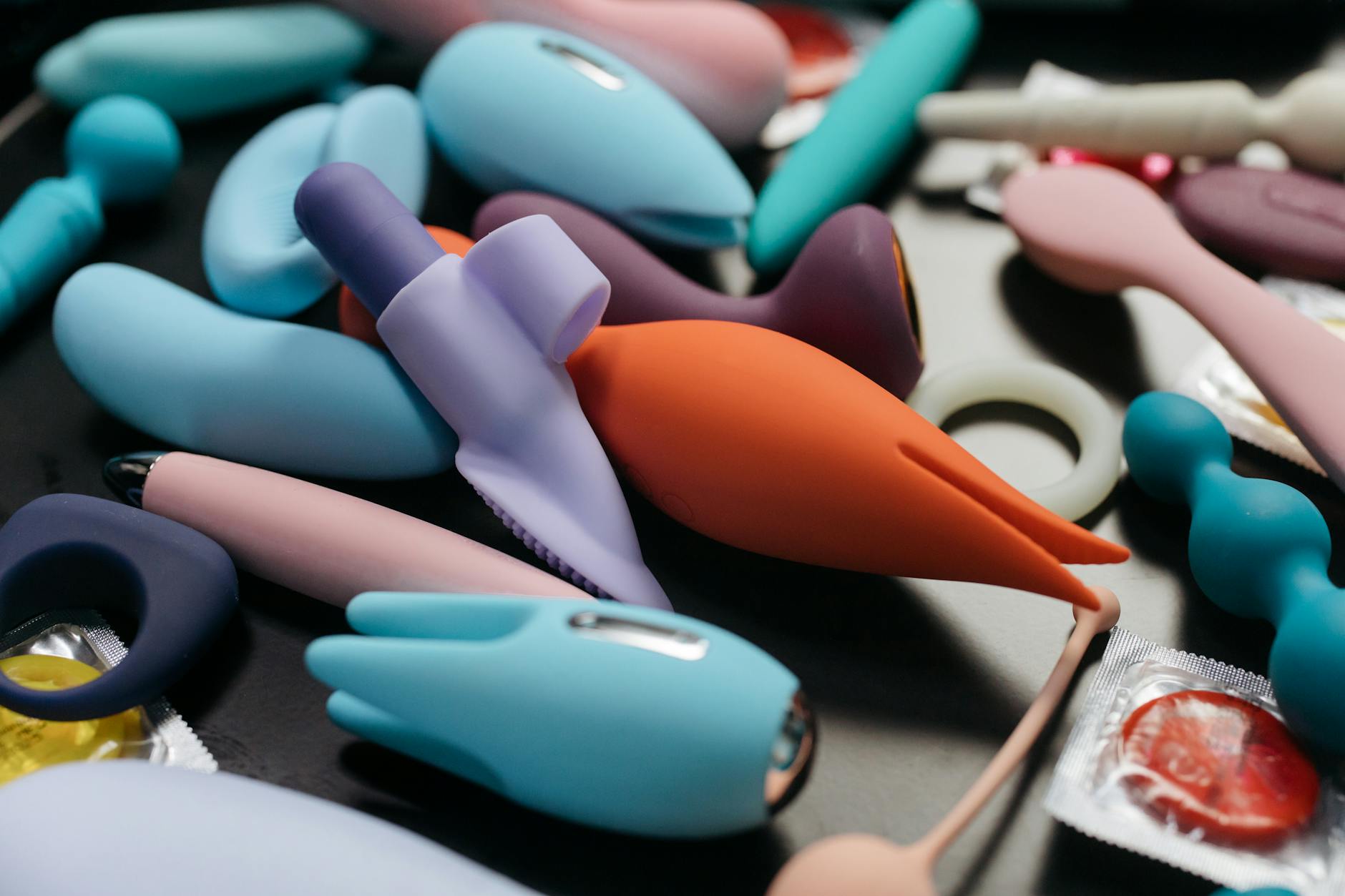
Photo by cottonbro studio on Pexels
Why clitoral vibrators work differently when sensation dims
When orgasm intensity drops, the instinct is usually to buy a more powerful vibrator. Louder, faster, more aggressive. But that's often the wrong answer.
Here's why. If your nerve sensitivity has shifted, raw vibration power doesn't fix it. What helps is variety in stimulation type. A lemon vibrator uses air-suction technology instead of traditional vibration. The Lem, for instance, creates a gentle seal and pulsing suction around the clitoris. This stimulates a different set of nerve fibers than vibration alone.
Why that matters: if your clitoral nerves have adapted to vibration, switching to suction wakes them back up. You're not trying to override habituation with more force. You're bypassing it by changing the signal entirely.
For people dealing with reduced clitoral sensitivity from aging, hormonal shifts, or medication side effects, this matters even more. Suction doesn't require the same tissue thickness to be effective. It works with what you have.
The setup that actually rebuilds sensation
If you're considering trying an air-suction lemon clitoral vibrator for the first time after orgasm intensity has dimmed, here's the approach that works.
Start with zero expectations. Seriously. The worst thing you can do right now is put pressure on yourself to have an intense orgasm. That's counterproductive. You're rewiring sensation, not chasing a number. First session is about novelty and information. Does this feel different? Not better or worse, just different.
Give yourself 25-30 minutes minimum. Reduced sensation usually means arousal takes longer. Your body needs more time to warm up and for blood flow to reach the clitoris. Rush it and you'll conclude it doesn't work. Build time in and the sensation builds with it.
Use lube, even if you think you don't need it. Water-based lubricant helps the suction seal work better and reduces any friction that might feel sharp on sensitive tissue. This isn't about being dry. It's about optimization.
Start at the gentlest setting (usually pattern 1 or 2). Let your nervous system acclimate to the new sensation before you try anything stronger. Many people find they don't need to go above level 3 with suction technology. Intensity comes from novelty and depth, not speed.
Explore the edges of the clitoris first, then the head. The clitoral glans (the visible part) is only one zone. The clitoral hood, the sides, and the base all have different nerve density. When sensation feels muted in one spot, you might find sharp sensation somewhere else on the same structure.
Rebuilding intensity through variation
Once you've gotten comfortable with a lemon vibrator like the Lem, the next step is strategic variation.
Don't use the same pattern every time. Your nervous system adapts to predictability. Alternate between different suction levels, different patterns (if your device has them), different speeds. Use it during different times of day, different times of your cycle if applicable, different arousal contexts. Variety is literally what breaks habituation.
Many of my clients find that after two to three weeks of varied use, sensation becomes noticeably sharper. This isn't placebo. It's neuroplasticity. You're teaching your nerves to respond again by giving them changing input to respond to.
Some people also find that combining suction with manual stimulation (usually using fingers on another area while the lemon vibrator works on the clitoris) creates a compounding effect. The mixed signals seem to rebuild intensity faster than either alone.
When intensity still doesn't return
If you've been using a lemon clitoral vibrator consistently for three to four weeks, experimenting with variation and timing, and sensation still feels muted, that's useful information.
It might point to something beyond desensitization. Medications can genuinely dampen sensation. Antidepressants, blood pressure meds, antihistamines, and hormonal birth control all have this as a known side effect. If you're on any medication recently started or changed, that's worth discussing with your doctor. Sometimes a dose adjustment or medication switch unlocks sensation that seemed lost.
Hormonal issues beyond the usual fluctuation also matter. Thyroid dysfunction, low testosterone, or other endocrine shifts change sensation. A good GP or gynecologist can run simple blood work.
And honestly? Sometimes reduced orgasm intensity is your body telling you something about your relationship, your stress level, or your overall wellness that needs attention. I've had clients rebuild pleasure intensity within weeks once they addressed chronic sleep deprivation or relationship disconnection. The vibrator is one tool. Context is everything.
The permission piece
Here's what I want you to know that usually doesn't get said. Orgasm intensity shifting doesn't mean your body is broken or that your best sexual years are behind you.
It means you're different than you were. And different doesn't mean less. Sometimes orgasms that feel less intense are actually more nuanced, more located in your body, easier to access in different ways. Some of my clients report that after they rebuild sensation using suction technology and variation, their orgasms feel new in a way they actually prefer.
You deserve to explore this with the same curiosity you'd give to any other thing that changed in your body. Not panic. Not resignation. Just strategic, patient experimentation.
People also ask
Why do orgasms feel less intense as I age?
Estrogen and testosterone both decline with age, which affects tissue thickness and nerve sensitivity. Stress, sleep quality, and medications also shift. These changes are normal and don't mean sensation can't be rebuilt with the right approach and tools. Clitoral vibrators designed for varied stimulation, like air-suction devices, often help reconnect intensity that feels lost.
Can a lemon vibrator actually help if my orgasms feel numb?
It can, but typically as part of a broader strategy. Suction technology works differently than traditional vibration, which means it can stimulate nerve pathways that have adapted to or dulled from conventional vibration. Combined with variation, pacing, and attention to stress and sleep, a lemon clitoral vibrator often helps rebuild sensation within weeks.
Is it normal for orgasms to change throughout your life?
Completely normal. Orgasm intensity, frequency, and sensation shift with hormones, stress, health, medication, age, and even relationship dynamics. Nobody tells you this, but it's expected. The key is knowing how to adapt your approach when things change rather than assuming your body is broken.
What's the difference between a lemon vibrator and a regular vibrator for rebuilding sensation?
Lemon vibrators use air-suction or pulse technology instead of traditional vibration. This stimulates the clitoris differently, which is helpful if your nerves have adapted to regular vibration. For people with reduced sensitivity or those whose sensation has dimmed over time, this variation in stimulation type often rebuilds intensity more effectively than a faster regular vibrator.
How long does it take to feel sensation return with a new vibrator?
Most people notice a shift in 2-4 weeks of consistent, varied use. This depends on what's causing the reduced sensation. If it's habituation to your previous vibrator, the change comes faster. If it's tied to hormonal shifts or medication, it might take longer and may require additional support beyond the vibrator itself.
Should I see a doctor if my orgasms feel less intense?
If the change is sudden and you've ruled out obvious factors like stress or a new medication, a conversation with your gynecologist is worth it. Hormone shifts, thyroid issues, and other medical factors can dampen sensation. A simple blood work panel often clarifies what's happening. But in most cases, this is a normal variation that responds well to changes in stimulation and attention to overall wellness.
Next steps
If reduced orgasm intensity is something you're navigating right now, start with one thing. Notice when sensation feels sharpest (time of day, stress level, where in your cycle). That baseline information helps you figure out what's actually shifted. Then consider whether a tool like a lemon vibrator would let you explore stimulation differently than you have been.
Your pleasure matters, and it's worth investigating with the same care you'd give to anything else that changed in your body. Need more support thinking through what might work for your situation? Get in touch at Helo Nancy's, or reach out to discuss what might help.