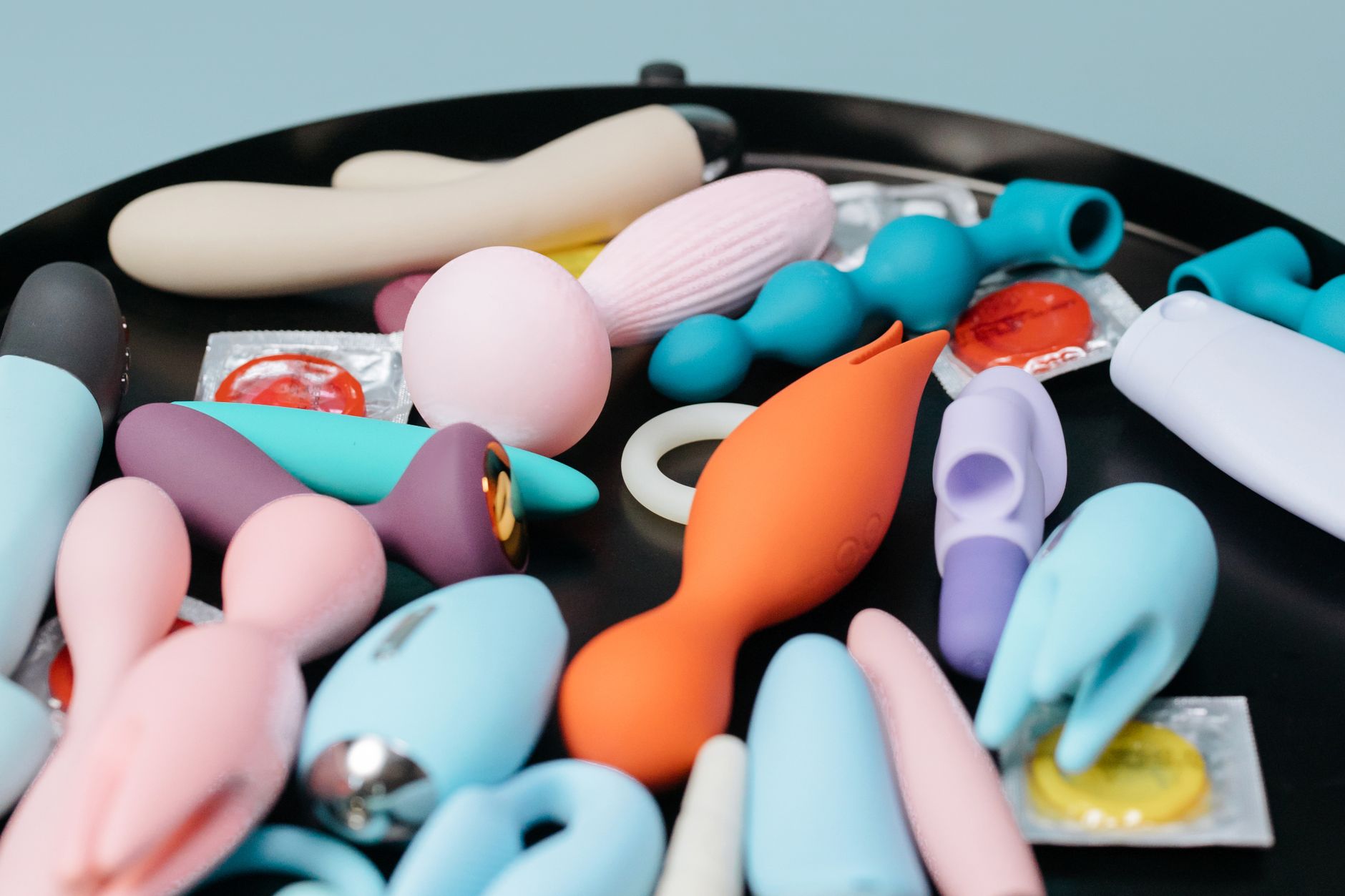
Let's start with the honest part
Postpartum sex feels like starting over. And not in a romantic way. Your body has spent months expanding, hormones have crashed, your pelvic floor has been through labor or surgery, and you're exhausted in ways that make sleep deprivation feel quaint. The idea of pleasure feels theoretical.
Here's what I want you to know: sensation comes back. Arousal comes back. It just doesn't come back on the timeline or in the shape it was before, and that's completely normal.
What happens to pleasure postpartum
Three major shifts happen after birth:
Hormonal reset. Oxytocin (the bonding hormone) surges while estrogen bottoms out. This means your tissues are thinner and drier than they've been since puberty. The clitoral tissue, which relies on estrogen for sensitivity and thickness, changes. Some people report numbness. Others describe sensation as dulled, like touching through a layer of plastic wrap.
Pelvic floor changes. Whether you gave birth vaginally or by cesarean, your pelvic floor has been traumatized. It's either been stretched, sutured, or both. The nerves that carry pleasure signals are irritated and inflamed. Even light touch can feel too intense or completely absent, depending on the day.
Neurological disconnect. Your brain is occupied. There's a newborn. Your sleep is fragmented into two-hour blocks. Your nervous system is in a state of vigilance. Arousal requires a parasympathetic state—calm, safe, present. That's the opposite of postpartum.
None of this means your pleasure is gone. It means it's temporarily offline.
The timeline matters (and it's longer than you think)
Most healthcare providers clear you for penetrative sex at six weeks postpartum. That's a minimum for healing, not a green light for full sexual function. Your nervous system needs more time. Your tissues need more time.
Honestly? I recommend waiting until at least 12 weeks to introduce any intentional sexual stimulation beyond partnered touch. That's not because there's a rule. It's because the pelvic floor is still inflamed, and adding vibration or pressure can trigger pain responses that set back healing.
If you feel ready before then, listen to your body, not a calendar. Pain is not a sign to push through. Pain is feedback.
Why clitoral stimulation comes before everything else
When you're ready to explore sensation again, the clitoris is the safest, smartest place to start. Here's why:
Vaginal penetration puts pressure on an already-traumatized pelvic floor. It can trigger pain, pelvic floor tension, or vaginismus. Clitoral stimulation bypasses that. The clitoris has external anatomy—you can start slowly, gauge response, and stop instantly.
The clitoris also has the highest concentration of nerve endings. Even when sensation feels muted, those nerves respond. You might not feel pleasure the way you used to. You might feel something more like pressure or warmth. That's enough to start rebuilding the neural pathway from stimulation to arousal.
A lemon clitoral vibrator is particularly useful here because the suction mechanism works differently than traditional vibration. It doesn't require direct friction on sensitive tissue. The gentle pulse stimulates nerves without the harshness of a vibe set to high intensity.
When to actually introduce a lem vibrator
Wait until:
- Your healthcare provider has cleared you for sexual activity (usually 6-8 weeks, sometimes longer after cesarean)
- You've had at least a few weeks of healing after that clearance
- Penetrative sex (if attempted) doesn't trigger pain
- You're getting at least one block of consecutive sleep per night (not required, but helpful for arousal)
Start with external touch only. No insertion. The external clitoris is where the magic is anyway.
How to use a lem vibrator postpartum
Week one: sensation mapping. Use your lemon vibrator on the lowest setting (pattern 1 or 2) on your inner thighs, labia majora, and the sides of the clitoris. Not directly on the clitoral glans yet. The goal is to wake up nerve endings, not reach orgasm. Spend 5-10 minutes. Notice what feels tingly versus numb versus too intense. This is data.
Week two: direct contact. Once you know which areas have sensation, move the vibrator directly to the clitoris, still on a low pattern. Keep your body completely still. Let the vibrator do the work. Your pelvic floor is still tender. Extra tension makes everything worse. Breathe deeply. If anything feels sharp, stop.
Week three onward: build slowly. If low patterns feel good, try pattern 3 or 4. If you feel sensation building toward arousal, stay there. You don't need to chase orgasm. The goal is to rebuild the nervous system connection between touch and response. That takes weeks.
The partner question (if there is one)
If you have a partner, they need to understand something: this isn't about them. Your body isn't rejecting them. Your nervous system is literally still in survival mode. Hormones haven't stabilized. You're managing infant care and sleep deprivation. Sex has become abstract.
The most helpful thing a partner can do is give you space to explore your own body with a toy. Alone. No performance pressure. No eyes on you. No sense that this is foreplay leading somewhere.
Once you've rebuilt some sensation and arousal capacity on your own, partnered touch becomes easier to welcome.
What helps beyond the vibrator
Pelvic floor physical therapy. If you have access, a pelvic floor PT can assess where tension lives and teach you how to relax it. That's the bottleneck for most postpartum people. Vibration won't help if your pelvic floor is clenched.
Lube, always. Estrogen is low. Tissues are thin. Water-based lubricant makes everything feel better and prevents microabrasions. Use it generously.
Kegel breaks. You've probably heard of Kegels as a postpartum recovery tool. They're useful, but only if you're also learning to relax. Spend equal time on releasing tension as building strength. Tense pelvic floor plus vibration equals pain.
Sleep when the baby sleeps. Arousal is impossible when your nervous system is running on fumes. This is less romantic than "schedule date nights" but it's true.
When sensation still isn't back after months
Some postpartum people experience persistent numbness or pain. That's not failure. It's a signal to see a specialist.
Persistent genital arousal disorder (PGAD) and postpartum depression both affect sensation. So does nerve damage from birth trauma. A gynecologist or pelvic floor PT can assess what's happening and offer targeted treatment. That might be topical estrogen cream, physical therapy, or working with a therapist on the emotional components of postpartum body image.
The point: you don't have to suffer through this alone.
Photo by Anna Shvets on Pexels
A note on postpartum identity and pleasure
Here's something no one talks about: your body is someone else's food source now. Your breasts are functional. Your body is touched constantly by someone who can't consent to the boundary-setting adults can. That can create a profound sense of being "touched out." Adding sexual stimulation to that can feel violating.
If you feel this way, you're not broken. You're not frigid. You're not a bad partner. You're experiencing something real and neurologically valid. A vibrator won't fix that feeling. Only time, boundaries, and possibly therapy will.
But for people who want to reclaim pleasure, who miss arousal, who want to feel like themselves again: a lemon vibrator on low, used alone, with zero performance expectation, can be the gentlest way back.
FAQ
Can I use a lemon vibrator while breastfeeding?
Yes. Breastfeeding doesn't make you off-limits to pleasure. What matters is timing. Don't use it right before feeding (your brain might not shift into nursing mode if you're aroused). And be mindful that some people find arousal and nursing both demand a lot of oxytocin. If you feel overwhelmed, pause. Your only job postpartum is survival and healing.
How long before I feel "normal" sensation again?
Normal is different postpartum. Baseline sensation usually returns around 3-6 months, but the intensity you remember might take longer. Some people describe their postpartum sensation as permanently different, not worse, just different. Orgasms might feel more localized. Arousal might build more slowly. That becomes your new normal, and that's fine.
Is it okay if using a lemon vibrator triggers pain?
No. Pain isn't a feeling to push through. It's a message. If clitoral stimulation causes sharp pain, burning, or cramping, stop. See a pelvic floor PT. You might have nerve inflammation, scar tissue, or a tension pattern that needs professional assessment. A vibrator can help healing, but it can also set it back if introduced too early or applied to tender areas.
What if my partner wants to help but I don't want their hands involved?
That's completely valid. You can ask them to sit nearby for emotional support while you explore your own body. Or ask them to wait in another room. Or explore this alone entirely. There's no "right" way. The goal is for your nervous system to feel safe and unhurried. That's different for everyone.
Should I tell my gynecologist I'm using a vibrator?
Yes, especially if you're experiencing pain or numbness. Your doctor needs to know what you've tried, how your body responded, and whether the stimulation triggered any symptoms. That information helps them assess whether there's underlying pelvic floor dysfunction or nerve damage.
When is it safe to introduce penetration again?
After clitoral sensation has returned and arousal builds easily with external stimulation. That's usually 3-4 months postpartum at minimum. Start with a finger, not a penis or large toy. Let your body guide the pace. Slow penetration, lots of lube, and zero pressure to go deeper than feels good. Some postpartum people take 6-9 months before penetration feels comfortable. That's normal.
Your body made a person. It needs time to remember how to make pleasure for itself. That's not a setback. That's wisdom.
If you're struggling to reconnect with your body after birth, you're not alone. Consider reaching out to a relationship coach or pelvic floor physical therapist who specializes in postpartum recovery. You deserve support, not shame, as you rebuild this part of your life.