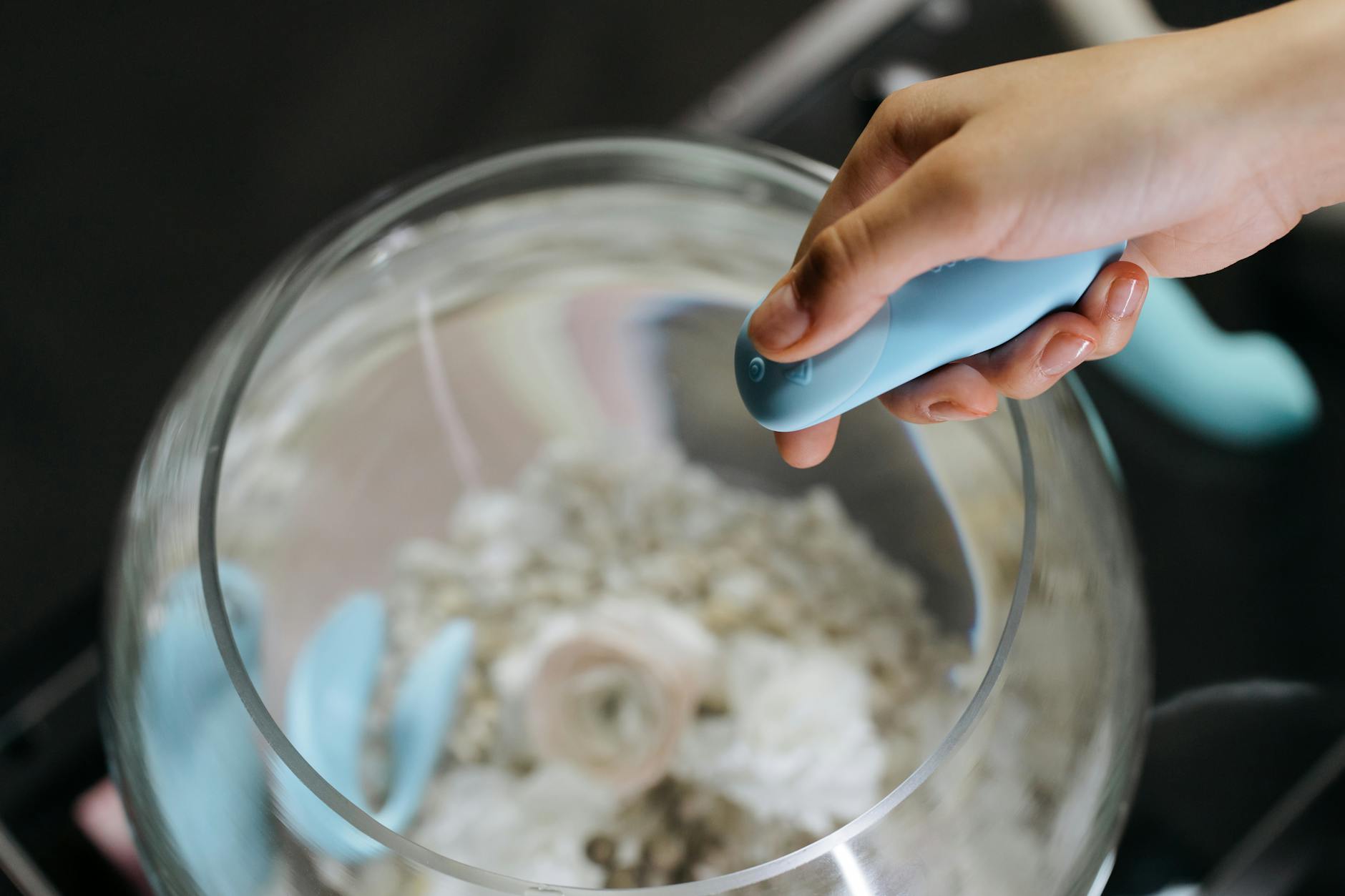
When sensitivity mismatches derail shared pleasure
Let's be real. You've got the lemon vibrator. You're excited. Then one of you tries it and says "Oh my god, that's way too much" while the other is thinking "Is that... all?" Now you're both disappointed, and the toy sits in a drawer.
This isn't a toy problem. It's a sensitivity problem. And it's wildly common.
Why partners have different sensitivity thresholds
Clitoral sensitivity isn't one thing. It's shaped by hormones, blood flow, medication, arousal level, past sexual experiences, and pure neurological variation. Some people are born with denser nerve endings. Others have tissue that responds faster to stimulation. Neither is better or worse. They're just different starting points.
When you introduce a lemon vibrator (or any clitoral vibrator, really) into partnered sex, you're adding intensity that can't be fudged. You can't dial down someone else's sensation by thinking harder. The suction and vibration either feel right or they don't.
Here's what I see in my practice: the partner with lower sensitivity often feels defective. The partner with higher sensitivity feels like they're asking for too much. Both are wrong. You're just operating on different hardware.
The physiology behind the gap
The clitoris has about 8,000 nerve endings concentrated in a space the size of a pencil tip. But the density and distribution vary wildly from person to person. Some people's nerve endings fire at lower stimulus thresholds. Others need more intensity to reach the same activation level.
Take a common scenario: you're using a lem vibrator together. Your partner finds even the lowest suction setting too intense. This doesn't mean they have a low libido or aren't aroused enough. It means their neural threshold is set differently. Pushing them through the intensity won't help. It just teaches them to brace against the sensation.
Meanwhile, you're thinking "If this is too much for them, what about me?" So you don't use it at all. The toy becomes a symbol of incompatibility instead of a tool for pleasure.
Building a shared language around sensation
The first move is to stop treating your partner's sensitivity as an obstacle. Start treating it as useful data.
Before you use any lemon vibrator together, talk about sensation separately from arousal. Ask your partner: "When you say it's too intense, what does that feel like? Is it sharp? Is it too fast? Does it hurt, or is it just sensory overload?"
These are different problems with different solutions.
Sharp sensation often means the suction cup isn't sealing right or the area is too dry. Sensory overload means the pattern or intensity is hitting too many nerves at once. Speed-based discomfort can sometimes be solved by using a lower pattern (the Lem has multiple speeds, and many partners find patterns 1 and 2 feel gentler than the higher settings).
Once you've named what's actually happening, you can troubleshoot it together instead of just deciding the toy "doesn't work for us."
Practical strategies for mismatched sensitivity
Here are four approaches that work in my experience.
1. Use it separately, not simultaneously. This sounds like a loss, but it's actually freedom. You use the lem vibrator solo while your partner is present but not directly involved. They might touch you elsewhere, or just hold you, or watch. This removes the pressure to sync your sensation to theirs. You get the intensity you want. They're not bracing against overstimulation. Afterward, you can transition to partnered touch that doesn't involve the toy. Many couples find this is more connected anyway.
2. Establish a sensation hierarchy. Low, medium, high. Agree that "low" is pattern 1 with lighter pressure, "medium" is pattern 2 or 3, and "high" is anything above. Then, before sex, check in: "What feels right for you tonight?" Arousal and sensitivity shift day to day based on stress, hormones, and rest. A honest check-in takes 30 seconds and prevents 20 minutes of awkwardness.
3. Layer the sensation with other touch. The Lem works incredibly well in combination with hand stimulation elsewhere. Your partner might find the vibrator intense on its own but totally manageable when you're also holding them, kissing their neck, or stimulating another area. This distributes the sensory load across their whole body instead of concentrating it on the clitoris.
4. Experiment with position and angle. How the suction cup contacts the clitoris changes everything. Some partners find indirect stimulation (positioning the Lem off to one side, or lower on the vulva) feels less intense than direct contact. You can also use the vibrator on lower-intensity patterns in positions where you control the pressure, rather than leaving it in one spot.
When one partner needs recovery time between uses
Some people's clitorises are sensitive not just during stimulation but after. They need 10 to 20 minutes to recover before another round. Others can go again immediately. This isn't laziness or disinterest. It's how their nervous system recovers from intense stimulus.
If your partner needs recovery time and you don't, plan your session accordingly. You use the lemon vibrator first. They rest. Then you move into partnered touch that doesn't require them to tolerate intense stimulation again. This honors both of your needs without creating resentment.
The conversation that actually needs to happen
Here's what I tell couples in my office: mismatched sensitivity often becomes a metaphor for "we're incompatible." But you're not. You're just operating on different settings.
The real issue is usually one of two things. First: shame. One partner is ashamed they "can't handle" a toy the other enjoys. Second: pressure. One partner feels they're asking for too much by wanting the toy at all.
Neither is true. You're allowed to want different things. The question is whether you're willing to problem-solve instead of blame.
A lemon clitoral vibrator (like the Lem) is actually one of the best tools for this because suction works differently than traditional vibration. It's less likely to numb or desensitize. It gives you more precision in intensity management. But the toy only works if you're both honest about what you actually want.
FAQ: Sensitivity mismatches and lemon vibrators
Why does my partner feel the Lem vibrator more intensely than I do?
Clitoral sensitivity varies based on nerve density, blood flow, hormonal cycles, stress, medications, and baseline neurological wiring. Some people's clitorises have naturally higher nerve density or lower sensation thresholds. Neither of you is wrong. You're just starting from different sensitivity set points. This is completely normal.
Can we use the Lem vibrator if one of us has a hypersensitive clitoris?
Yes, but strategy matters. Start with the lowest pattern and lightest pressure. Use indirect stimulation rather than direct contact on the clitoris. Combine it with other touch to distribute sensation. Many partners with sensitivity concerns find that using the Lem solo (while the other partner is present) removes pressure and makes the experience better for both. You can read more about managing hypersensitivity in this guide on <a href="/blog/lemon-vibrator-for-sensitive-clitoris-how-to-build-tolerance">using a lemon vibrator if your clitoris is hypersensitive</a>.
Does using a lemon vibrator together mean we have to use it at the same intensity?
Absolutely not. You can take turns. You can use it at different times in a session. You can use it solo while your partner engages differently. The goal is shared pleasure, not synchronized sensation. That often means operating at different intensities and that's fine.
My partner says the Lem vibrator is too intense, but I think they're not aroused enough. Is that the issue?
Maybe. But probably not. Clitoral sensitivity and arousal level are linked but not identical. Someone can be very aroused and still find a vibrator too intense. Conversely, someone can have lower arousal and still tolerate intensity fine. Before assuming lack of arousal, check the other variables: Is the suction cup sealing properly? Is there enough lubrication? Are they tensing their pelvic floor in anticipation of intensity? Is the pattern the issue, or the pressure? Often it's one of those, not arousal level.
How do we talk about sensitivity differences without one of us feeling rejected or inadequate?
Frame it as data, not judgment. Instead of "You can't handle this toy" or "You need too much," try: "I notice the Lem feels intense to you at pattern 3, but I need pattern 4 to get where I want to go. So let's figure out what works for both of us." Separate the sensation from the person. You're not incompatible. You're just optimizing for two different thresholds. That's a logistics problem, not a relationship problem.
Can sensitivity mismatches change over time?
Yes. Arousal levels, hormones, stress, medications, and even pelvic floor tension shift your sensitivity baseline week to week. What felt too intense last month might feel perfect next month. This is why the conversation happens before sex, not after. You're not trying to lock into one setting forever. You're checking in regularly and adjusting.
What matters most
Using a lemon vibrator with a partner who has different sensitivity levels isn't about forcing the same experience. It's about honoring that you're two people with two different bodies, and that's not a problem. It's an opportunity to get creative, to check in honestly, and to stop treating pleasure as a pass-or-fail test.
Your sensitivity differences aren't a roadblock to shared pleasure. They're just the shape of your partnership. Work with them, not against them.