Let's be real about conflict and sex
After a fight, the idea of being intimate feels awkward at best, impossible at worst. Your body hasn't forgotten the argument. Your nervous system is still running hot. Touch that would normally feel good suddenly feels loaded with unresolved tension. And honestly, that's completely normal.
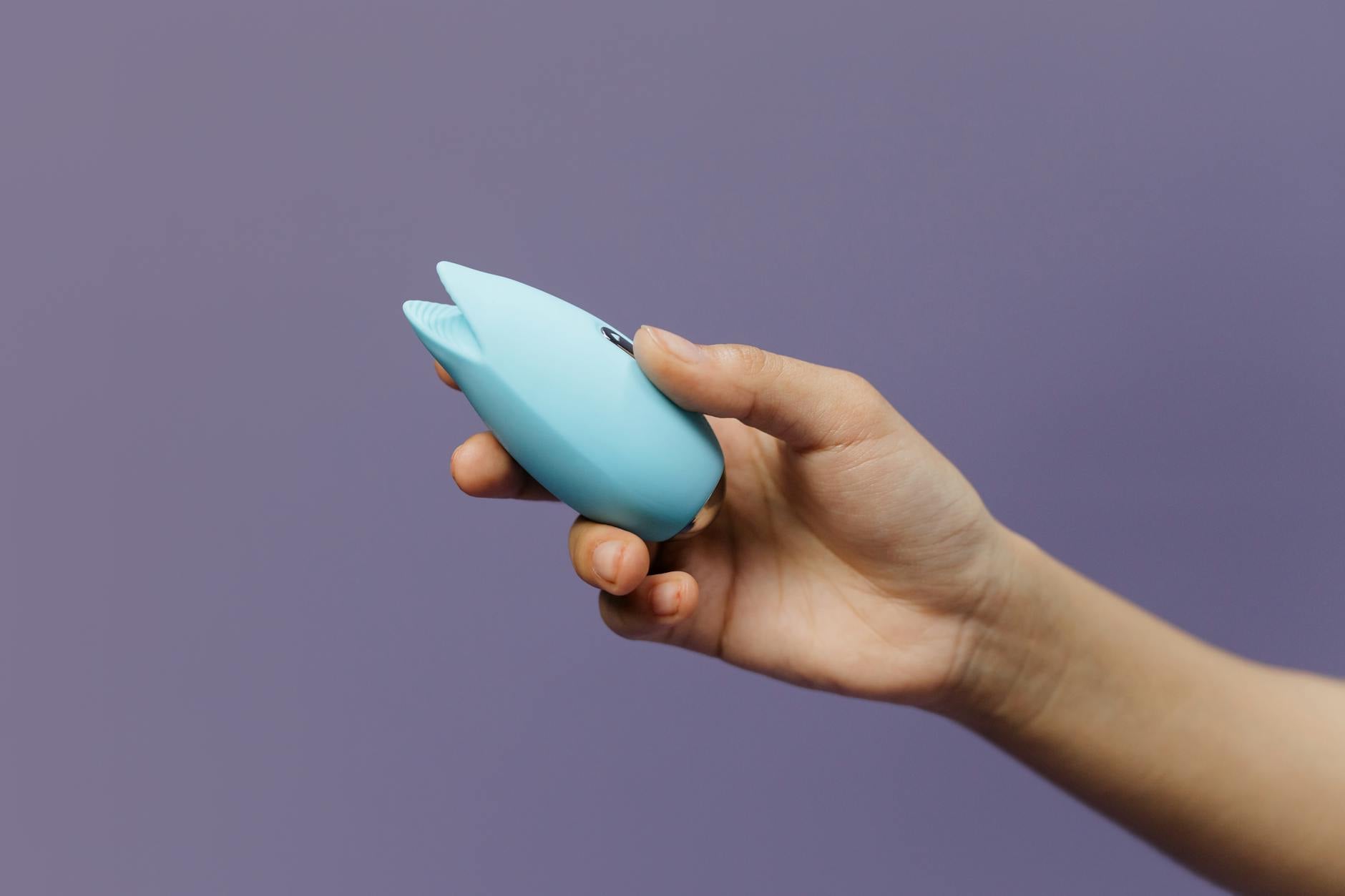
But here's what I've noticed in my practice: couples who avoid physical intimacy after conflict often take longer to actually recover. Not because sex "fixes" things, but because touch is how the nervous system learns safety again. The lemon vibrator, specifically, offers something powerful in this context: it lets you rebuild that feeling of pleasure and safety without the intensity of partnered sex.
This isn't about rushing to reconciliation. It's about signaling to your body that you're moving forward.
Why physical reconnection matters after a fight
When you and a partner have conflict, your brains literally shift into a threat-detection mode. Cortisol rises. The amygdala is working overtime. Your nervous system is looking for danger, not pleasure. Trying to have sex in that state is like trying to feel aroused while sitting in traffic during rush hour.
The thing about clitoral vibrators like the Lem is that they're effective. They work fast. That matters after conflict because your brain doesn't need a twenty-minute wind-up to feel the neurochemical shift. Two or three minutes of focused, intense sensation can actually interrupt the threat response and begin the process of nervous system settling.
Then comes the oxytocin. Once your body experiences pleasure and safety together, oxytocin floods your system. This is the hormone that literally rebuilds trust. It won't erase the fight, but it can create a physical bridge from "we're upset" to "we're reconnecting."
Starting the conversation before you use it
Don't introduce the lemon vibrator as a surprise after a fight. That's a recipe for it feeling like pressure rather than an invitation.
Instead, say something like this: "I miss touching you. I know we're still processing what happened, but I'd like to rebuild that feeling of closeness. Would you be open to using something together, or would you prefer some time alone with that first?"
This does three things. One, it names the hurt without dwelling on it. Two, it makes pleasure an active choice rather than an expectation. Three, it gives your partner agency. Some people need solo time first before partnered intimacy. Respecting that actually speeds up the reconnection.
Three paths to rebuilding through sensation
Solo first, then partnered. If your partner isn't ready yet, you use the lemon vibrator alone. This matters because it tells your nervous system: "Pleasure is still available. I'm still myself." It also takes the pressure off your partner. They don't have to perform or feel turned on before they're ready. When you later invite them into the experience, they're watching something that looks like genuine pleasure, not obligation.
Parallel pleasure. You each have a device (or you take turns with the Lem), in the same room but separate. This is lower-pressure than partnered sex but higher-intimacy than solo play. You're acknowledging each other's pleasure without the vulnerability of direct touch. Many couples find this is where they first laugh again after a fight.
Slow reintegration. Your partner starts by just being present, no touch expected. Then moves to holding you, kissing you. Then uses the vibrator on you slowly. This is the gentlest re-entry into partnered intimacy because it's layered. At any point, either of you can pause without it feeling like rejection. The vibrator becomes a tool for presence, not performance.
The actual technique that rebuilds trust
After conflict, I recommend starting at pattern one or two on the Lem. Not because you're fragile, but because your nervous system is already activated. You don't want more activation. You want something soothing that still delivers sensation.
If you're using it alone, do this: warm up your body first. A bath, a shower, your hands on your own shoulders. Then use the vibrator on the outer areas of your vulva before moving to the clitoris. Spend time here. Let pleasure build slowly. This isn't about reaching an orgasm quickly. It's about teaching your body that slowness feels good right now.
If your partner is involved, have them start outside your body entirely. Let them use the vibrator on your inner thigh, your lower belly, anywhere sensitive but not directly on the clitoris. This sounds simple, but it's remarkably powerful because it mirrors the patience that's missing from a rushed fight recovery.
The goal is twenty to thirty minutes. Not because you need that long to orgasm, but because that's how long it takes for the nervous system to actually shift from defended to receptive.
What to expect emotionally
You might cry. You might feel closer immediately, or you might feel nothing special and that's fine too. Some couples report that the first orgasm after conflict is intensely emotional. Others find it takes a few sessions before pleasure feels untethered from the fight.
All of that is normal. The point isn't that you'll suddenly feel perfect. The point is that you're choosing to move toward each other instead of staying stuck in hurt. Your body registers that choice.
If one of you feels completely unable to engage in pleasure right now, respect that. Forcing physical intimacy before emotional reconnection is ready won't rebuild trust faster. It'll just feel like more pressure. In that case, consider talking to a couples therapist who can help you process the conflict first.
The rhythm of reconnection after serious fights
Here's what I typically recommend to couples rebuilding after a real blow-up: give yourselves a day or two of space if you need it, but not more than that. Longer silence often calcifies the hurt. Then begin with conversation (not about the fight itself, but about missing each other). Then move to non-sexual touch: holding hands, sitting close, a shoulder massage.
Then, introduce the lemon vibrator. Start solo or parallel, not partnered. Let pleasure come back online in your body. Then, gradually move toward more direct intimacy if you both want to.
This isn't a rigid timeline. Some couples need two weeks. Others are ready in two days. The key is that you're building each layer intentionally instead of jumping straight to sex and hoping it will fix the emotional distance.
When to pause and get help
If you're using the lemon vibrator or any clitoral vibrator and it triggers anxiety, numbness, or more disconnection, that's information. It doesn't mean intimacy is broken. It means you probably need some professional support unpacking the fight itself before adding sensation into the mix.
Similarly, if one partner consistently refuses any physical reconnection after conflict, that's a pattern worth exploring with a therapist. Intimacy matters to long-term relationship health, and if conflict is creating an intimacy desert, that's worth addressing directly.
But for most couples, the lemon clitoral vibrator becomes a surprisingly powerful tool for rebuilding. It's fast. It works. And it lets you both access pleasure and safety at the same time, which is exactly what was missing during the fight.
FAQ
Can using a vibrator actually help a relationship recover from conflict?
It's not magic, but it helps. Pleasure and safety are linked neurologically. When your body experiences both at the same time, it actually learns to trust again. The vibrator is the tool that lets pleasure come back online when the emotional weight of conflict is still heavy.
What if my partner doesn't want to use it with me?
Start alone. Seriously. Using it solo after a conflict is powerful because it signals to your partner that you're not waiting for them to feel good. You're moving forward. Many partners become interested once they see you accessing pleasure without pressure.
How long after a fight should we wait before trying intimacy?
There's no fixed rule, but I recommend at least a few hours of calming down. If you're still in the acute phase of anger or hurt, your nervous system won't be able to receive pleasure. Wait until you can talk about what happened without the conversation escalating again. Then try the lemon vibrator as a bridge, not a solution.
Should we talk about the fight first or just start using the vibrator?
Talk first. Not to resolve everything, but to acknowledge what happened and that you both want to move forward. Then introduce the vibrator as an option. This prevents it from feeling like you're bypassing the hurt instead of honoring it.
Can a vibrator replace actually working through the conflict?
Absolutely not. The vibrator is a tool for rebuilding physical connection while you're working through the emotional stuff. If the underlying issues that caused the fight never get addressed, the intimacy will feel hollow. Use pleasure to soften the distance while you're doing the harder work of understanding what went wrong.
What if neither of us feels like pleasure is accessible right now?
Then you're not ready for the vibrator yet. Stick with non-sexual touch and conversation. Maybe a walk together or sitting close. Pleasure will feel available again once the nervous system has genuinely calmed down. Forcing it usually backfires.
The bottom line
After a fight, intimacy feels impossible because your body is literally in a defensive state. The lemon clitoral vibrator works because it interrupts that defensiveness through focused, effective sensation. It doesn't erase the conflict, but it creates a physical experience of moving forward while you're still processing the emotional weight.
The key is starting slowly, respecting where both partners are, and using it as a bridge rather than a shortcut. When done thoughtfully, reconnecting through pleasure is one of the fastest ways to tell your nervous system that you're safe again. And that matters more than anything.
If you're struggling to rebuild intimacy after repeated conflict, reach out to a couples therapist or contact us if you'd like resources for moving forward together.