When your brain sabotages your body
Anxiety doesn't just make you feel worried. It sends a biological signal that danger is present, and when your nervous system thinks you're in danger, arousal shuts down. Full stop. Your body isn't broken. It's doing exactly what it's supposed to do: protecting you.
The problem is that anxiety doesn't always know the difference between real danger and the false alarm of performance pressure, relationship stress, work pressure spilling into the bedroom, or past sexual hurt. So your nervous system stays locked down even when you're safe and ready to feel pleasure. The result: you want to be aroused, but your body won't cooperate.
This is incredibly common, and it's not a personal failure. It's a nervous system issue, not a desire issue.
Why anxiety kills arousal (the actual mechanism)
When anxiety activates, your sympathetic nervous system (the gas pedal) fires up. Simultaneously, your parasympathetic nervous system (the brakes) gets suppressed. Arousal lives in the parasympathetic space. Without it, even if you want sex, the physical signs don't show up. No lubrication. No sensation. No engorgement. Just frustration.
Anxiety also narrows your attention. Instead of feeling what's happening in your body, you're scanning for threats. You're thinking about how you look, whether you're doing it right, whether you're taking too long. That self-monitoring is the exact opposite of the widened, present attention you need for arousal.
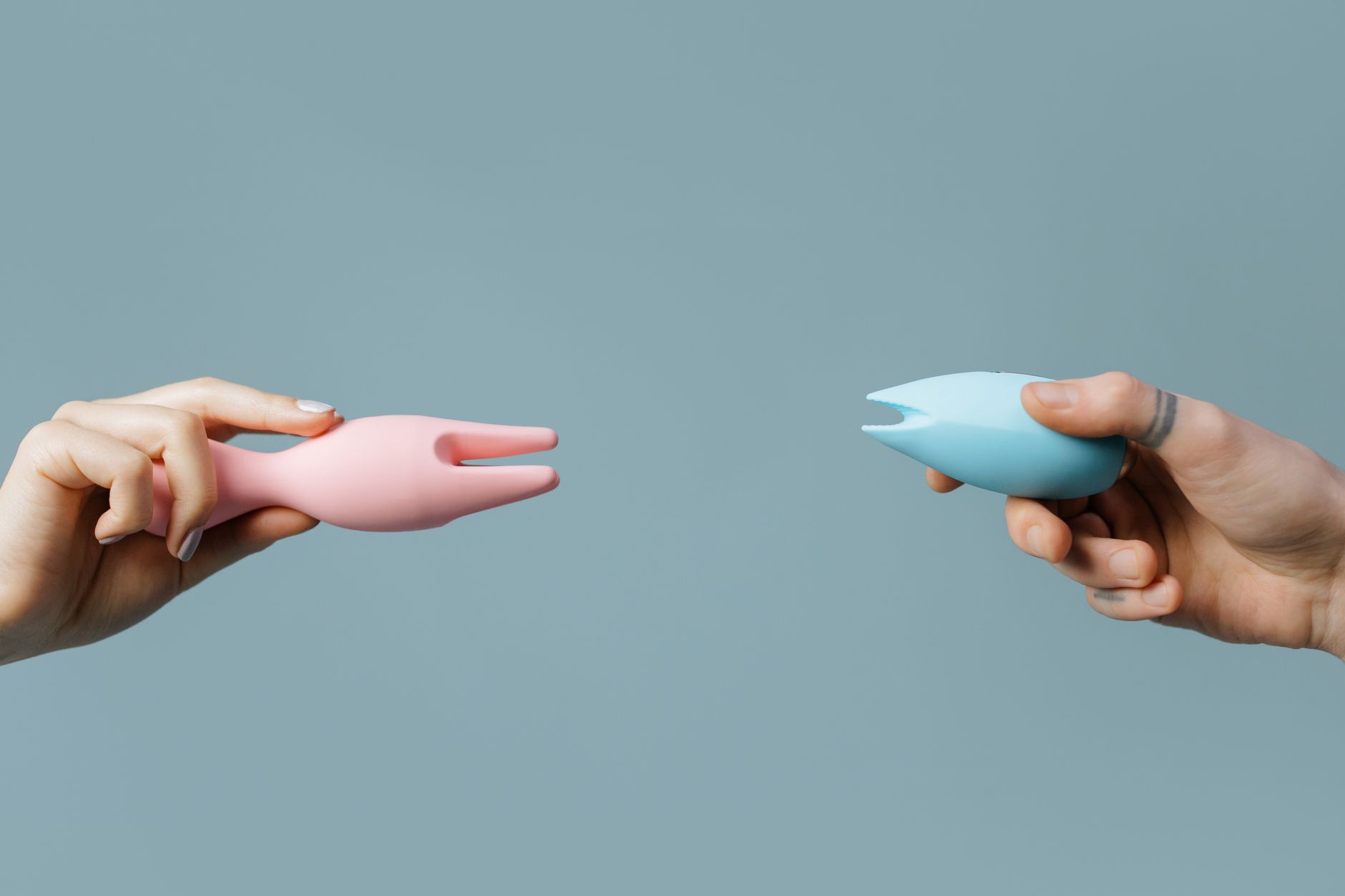
A clitoral vibrator like the Lem works in this context because it creates direct, undeniable sensation. When anxiety has dimmed your body's natural response, the Lem's suction stimulation bypasses some of that cognitive noise and speaks directly to nerve-dense tissue. It gives your body permission to respond when your mind is still trying to protect you.
The setup: creating a nervous-system-safe environment
Before you even pick up the Lem, you need to signal safety to your body.
Give yourself time. Rushing into sex when anxiety is present guarantees failure. Budget 30-45 minutes minimum. Most of that won't be sexual. That's the point. You're teaching your nervous system that pleasure isn't a sprint.
Choose a space you control. Familiar rooms work better than new environments when you're healing from anxiety. Your own bed, with your own things around you, registers as safe. If you're partnered, a conversation about privacy and uninterrupted time matters more than you'd think.
Put your phone away. Not across the room. Out of the room. Notifications are anxiety's best friend.
Adjust the temperature. Anxiety makes people cold or hot. Get comfortable first. A blanket nearby matters more than it sounds.
Grounding techniques that work WITH the Lem
These are the moves that actually interrupt the anxiety loop.
The 5-4-3-2-1 sensory scan. Before you touch the Lem, ground yourself in the present moment. Name five things you can see. Four you can touch. Three you can hear. Two you can smell. One you can taste. This shifts your brain from threat-scanning mode into sensory observation mode. Then, when you turn on the Lem, add it to the sensory list. Feel the vibration. Hear the soft hum. Notice the temperature of the device.
Box breathing while building arousal. Breathe in for four counts, hold for four, out for four, hold for four. Repeat six times. Your vagus nerve (the primary nerve of the parasympathetic system) responds directly to slow, rhythmic breathing. Do this before you start, and return to it if you feel anxiety creeping back during play.
The body scan with the Lem on lower settings. Start with pattern one or two on your lemon vibrator. Don't focus on orgasm. Focus on sensation. Notice where you feel it. Notice your breath. Notice any tightness in your jaw or shoulders, and consciously release it. Your pelvic floor will probably be clenched from anxiety. The Lem's gentle suction actually helps teach that muscle to relax because you're getting pleasure feedback instead of tension feedback.
Talking through it (yes, during). If you're partnered, narrating what you're feeling interrupts the performance anxiety loop. "That feels good" or "I'm noticing some tension, let me breathe for a second" keeps your brain in present-moment awareness instead of self-criticism. If you're solo, soft self-talk works. "I'm safe. My body is responding." These aren't affirmations in the woo sense. They're nervous system retraining.
When the lemon clitoral vibrator isn't enough
Sometimes anxiety is too loud for vibration alone to work, and that's important information.
If you've experienced sexual trauma, a vibrator is a useful tool, but you might also benefit from EMDR or trauma-informed therapy specifically. A therapist trained in sexual health can help your nervous system genuinely reset, not just bypass the problem for an evening.
If anxiety is medication-related (some antidepressants, blood pressure meds, antihistamines), talk to your prescriber about timing or alternatives. Sometimes shifting when you take a medication or switching to a different class opens things back up.
If the anxiety is relationship-rooted (you don't feel safe with your partner, or there's unresolved resentment), the vibrator isn't going to fix that. Couples therapy with someone trained in sexual health is worth it.
Building a sustainable practice
The goal isn't to become dependent on the Lem. It's to use it as a bridge while you retrain your nervous system to access arousal again.
Start with solo sessions. Lower stakes. Less performance pressure. Use the Lem once or twice a week, never as an obligation. If a session doesn't feel good, you stop. You're not trying to get somewhere. You're practicing the sensation of being present.
After a few weeks of solo practice, introduce the Lem with a partner if you're in a relationship. Keep it exploratory. Let them watch, or use it together with no pressure to orgasm. The point is showing your body that pleasure is possible even when anxiety has shown up.
Over time, your nervous system learns that this space, this person, this ritual, means safety. Arousal becomes accessible again. The Lem becomes optional, not essential.
When anxiety is situational
If your anxiety spikes during specific circumstances (new relationship, reconnecting after a gap, performance pressure), you can use the Lem proactively.
Build arousal skills during calm periods so your nervous system has a template. When the stressful situation arrives, your body has muscle memory. You've practiced parasympathetic activation. You know what it feels like. That makes it more accessible when stakes feel higher.
This is why consistency matters more than intensity. Fifteen minutes twice a week with the Lem beats one-off attempts when you're desperately trying to fix things.
The bigger picture
Anxiety doesn't mean your arousal is broken. It means your nervous system is doing its job, just responding to the wrong signal. A lemon clitoral vibrator combined with grounding techniques can help you interrupt that false alarm. But the real work is patient, consistent practice in a genuinely safe environment. Your body wants to feel pleasure. You're just giving it permission and the right conditions to do so.
People also ask
Can anxiety permanently kill your ability to feel arousal?
No. Arousal capacity doesn't disappear. It gets suppressed by a nervous system in protection mode. Once the nervous system learns it's safe, arousal returns. This can take weeks or months depending on what triggered the anxiety, but the capacity is there. The Lem helps bridge that gap by creating direct sensation that doesn't require a calm mind to register.
Is it normal to feel guilty using a vibrator when you have anxiety?
Very common. Anxiety tells you that pleasure is frivolous or that you should be able to "just relax" without tools. That's shame talking, not truth. Using a lemon clitoral vibrator is practical self-care, not avoidance. You're actively retraining your nervous system to feel good. That's the opposite of selfish.
How long does it take for the Lem to help with anxiety-related arousal issues?
Some people notice a shift within two to three sessions. Others take six to eight weeks. It depends on how long the anxiety has been present and how much nervous system retraining you need. Consistency matters way more than intensity. Twice-weekly solo sessions will show results faster than sporadic attempts.
Should I tell my partner I'm using a vibrator to manage anxiety?
Yes, if you're in a relationship and want to eventually use it together. Secrecy adds stress and shame, which makes anxiety worse. A simple, straightforward conversation works best. "I'm working on my arousal with some tools. I'd like to try this together when I'm ready." Most partners appreciate the honesty and feel less confused about what's happening.
Can medications help with anxiety-related arousal loss?
Sometimes yes, sometimes no. Some medications cause the problem in the first place. If you suspect medication is involved, talk to your prescriber before adjusting anything. For primary anxiety disorders, therapy often helps more than medication alone. Combining grounding techniques, a tool like the Lem, and potentially therapy gives you the best shot.
What if my partner gets anxious when I use a vibrator?
That's a conversation, not a reason to stop. His anxiety isn't your responsibility to manage. You can explain what you're doing and why, invite him into the process, and set a boundary if he's not ready. If he remains unsupportive of your pleasure and healing, that's information about the relationship. A sex-positive therapist can help both of you work through it, or help you decide if this partnership meets your needs. Your arousal matters. Period.