Let's start with what nobody tells you clearly
Hormones shift. That's not news. What nobody explains is that the shift doesn't mean your pleasure ends—it means your pleasure changes shape. Estrogen, testosterone, and progesterone all affect how your body responds to touch, how quickly arousal builds, and what kind of stimulation hits different.
Here's the part everyone gets wrong: they assume "different" means "worse." It doesn't. Different means you need different tools and a little more information.
What actually happens when hormones change
Let's map it out, because the specifics matter. Estrogen affects tissue thickness, natural lubrication, and how sensitive nerve endings respond to stimulation. When estrogen drops, vaginal and clitoral tissue becomes thinner and more delicate. That's a real physical change, not a rumor. Testosterone influences desire and the intensity of sensation. Progesterone affects arousal speed and orgasm intensity. When these hormones fluctuate—whether you're cycling, on hormonal birth control, navigating perimenopause, or years into menopause—the entire experience shifts.
But here's what doesn't change: your brain's pleasure centers stay active. The clitoral nerve complex doesn't age out. Your capacity for orgasm remains entirely intact. In fact, many people report their most intense orgasms come after decades of knowing their own body.
Why a lemon vibrator works differently as you age
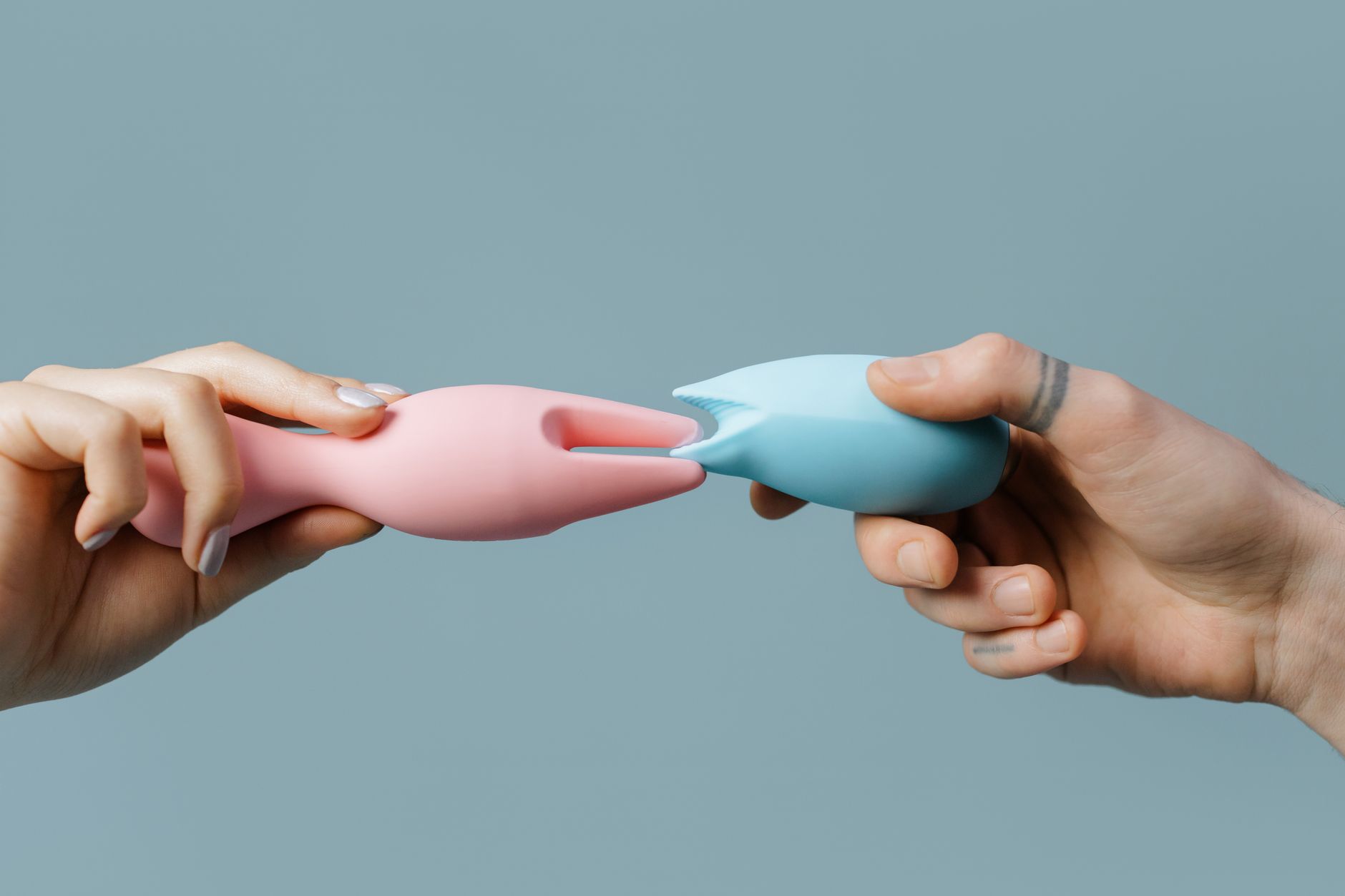
Clitoral suction toys like the Lem are specifically designed around how bodies actually respond to stimulation. Unlike traditional vibrators that rely on direct friction, a lemon clitoral vibrator uses gentle suction and pulse patterns. When tissue is thicker and more resilient, you might prefer the intensity and variety of a traditional vibe. When hormonal changes make tissue more sensitive, that same intensity can feel too sharp.
A lemon vibrator's gentler suction approach becomes genuinely useful. It creates sensation without requiring the kind of friction that can feel uncomfortable on thinner or more sensitive tissue. The stimulation pattern mimics the rhythm of oral sex, which relies on suction rather than pressure. This matters because suction activates a different set of nerve endings than friction alone.
Most people who switch to a lemon clitoral vibrator at any age report that arousal feels more accessible, orgasms feel more reliable, and the whole experience feels less like work and more like genuine pleasure.
The timing shift: patience, not panic
One of the first changes most people notice is that arousal takes longer to build. You might have been able to go from zero to fully aroused in five minutes at twenty-five. At thirty-five, forty-five, or fifty-five, that timeline might stretch to fifteen or twenty minutes. This is not a flaw. It's a rhythm change.
The thing about slower arousal is that it often leads to deeper arousal. Your body has time to actually warm up. Sensation builds gradually instead of hitting like a light switch. When you use a lemon vibrator with this knowledge, you stop seeing the longer timeline as a problem and start using it as an advantage. Start on a lower intensity setting. Let arousal build for ten minutes before moving to higher patterns. Notice what you actually feel instead of chasing a sensation that matches your memory.
This is where the Helo Nancy's lemon vibrator design becomes particularly useful: the progression of intensity patterns allows you to work with your body's natural rhythm rather than against it. You're not racing to finish or proving something to yourself. You're just following sensation as it emerges.
Lubrication: not shame, just sense
Hormonal changes can mean less natural lubrication. This is not a sign your body is broken. It's a sign your body is signaling what it needs. Water-based lubricant becomes a practical tool, not a band-aid. The combination of a gentle lemon clitoral vibrator plus good lubrication is often exactly what makes pleasure feel available again.
Some people hesitate at this step because lubricant feels like an admission of failure. It's not. It's information. If you needed glasses to read, you wouldn't squint harder for ten years. You'd get glasses. Lubricant is similar: it's a small adjustment that removes friction (literally and emotionally) and makes sensation clearer.
Pick a water-based lube designed for sensitive skin. Silicone-based lubes feel richer but can degrade silicone toys over time. A quality water-based option does the job just as well and protects your lemon vibrator.
Sensation shifts and what to do about them
Some people notice that orgasms feel different as hormones change. Sometimes less intense, sometimes more concentrated, sometimes taking different pathways. None of these variations are wrong. They're just variations. The couples I work with often get stuck thinking "my orgasm isn't like it used to be, so something's broken." Actually, something's just different.
A lemon sucker gives you a chance to explore those variations deliberately. Try the same pattern twice and notice whether the sensation feels consistent. Experiment with building arousal for longer than usual. Notice whether you prefer the lower or medium intensity settings. Pay attention to when your body feels most responsive during your cycle or week.
This exploration matters because it teaches you what your current body actually wants, rather than trying to force your current body into the shape of your past body. That shift in perspective—from "I'm not getting the same response" to "What is my body actually capable of right now?"—is often where pleasure returns.
Partnered pleasure during hormonal shifts
If you're with a partner, hormonal changes sometimes create disconnects. Your arousal timeline shifts, their touch needs shift, the sexual frequency changes. If neither of you has language for what's actually happening, sex can start feeling like two people working on incompatible schedules.
Introducing a lemon clitoral vibrator into partnered sex during a hormonal transition can actually repair some of that disconnect. It's not a band-aid for communication, but it's a practical tool. If your partner can include the Lem during foreplay, you get the extra time your body needs to warm up without either of you feeling like you're waiting. If you use it solo and then come to your partner more fully aroused, the entire dynamic shifts.
Honestly though, the deeper fix is conversation. "My body's responding differently, and I'm still figuring out what feels good" is exactly the kind of information that builds intimacy, not distance. A lemon vibrator is just the practical piece. The relational piece is being honest about what you actually need.
When to get additional support
If pleasure has completely disappeared and hormonal adjustment isn't bringing it back, that's worth discussing with a healthcare provider who specializes in sexual health. If sex becomes painful, don't wait—genitourinary syndrome of menopause is real and treatable. If desire has evaporated and nothing is touching it, testosterone therapy exists and is worth exploring with someone who prescribes it thoughtfully.
The lemon clitoral vibrator is a tool that works beautifully for most people navigating hormonal shifts, but it's not a replacement for medical support when something feels genuinely wrong. Know the difference between "pleasure feels different" and "pleasure has disappeared entirely." The first is usually about adjustment and tools. The second sometimes needs professional input.
You're not starting over, you're starting fresh
Here's what I know after years of working with couples through hormonal transitions: the people who struggle most are the ones who expect their pleasure to stay static. The ones who adapt actually often discover that sex gets better, not worse. Different arousal timelines mean more presence. Thinner tissue means you get to know exactly what feels good because the feedback is clearer. Hormonal shifts force you to stop running on autopilot and actually pay attention to sensation.
A lemon vibrator fits into this transition because it's designed around how bodies actually work, not how we imagine they should work. It's gentler when your body needs gentler. It's accessible when arousal takes longer to build. It's specific enough that you can learn exactly what turns you on right now, not what turned you on ten years ago.
Your pleasure isn't behind you. It's just asking you to show up differently.