Here's the thing about resistance
Your partner isn't into toys. Maybe they've said it directly. Maybe they just go quiet when you bring it up. The resistance lands differently depending on what's actually underneath it, and I've learned that "I don't want to use toys" rarely means "I don't want you to feel good." It usually means something else entirely: anxiety about being replaced, confusion about what a lemon vibrator is for, old ideas about what "real" sex looks like, or simple discomfort with something unfamiliar.
The trick isn't convincing them toys are great. It's untangling what the resistance actually is, then addressing that specific thing. Everything else flows from there.
What the objection usually actually means
I work with couples where one partner wants to bring in clitoral vibrators and the other pushes back. These are the patterns I see most:
"Toys feel like I'm not enough." This is about adequacy. Your partner equates their fingers, penis, or mouth with their value in the relationship. A vibrator reads like proof they're failing. What they need is clarity that a lemon clitoral vibrator isn't a replacement for them; it's an amplifier for what you both already have. It's not about sufficiency. It's about variety.
"I don't understand what it does." Genuinely unfamiliar with how lem vibrators work, what suction-based stimulation feels like, or why it's different from what they already do. Education fixes this. Show them the device. Explain the mechanics. Remove the mystery.
"Sex should be a certain way." Some people have deeply held ideas about what "real" intimacy looks like, and toys feel like a departure from the script they learned. This is slower to shift, but it shifts when they see that adding a lemon vibrator actually deepens connection instead of compromising it.
"I'm uncomfortable with the topic." Sometimes resistance is just shyness. They're not saying no; they're saying the conversation feels awkward. These partners often come around quickly once the discomfort is acknowledged and the conversation feels safer.
None of these reasons mean your partner doesn't love you or doesn't want you to feel good. They just mean the introduction needs strategy, not pressure.
The framing that actually works
Forget "I want us to use toys." That's you advocating for a thing. Instead, lead with the outcome you want for both of you.
Try this: "I've been thinking about our sex life, and I want us to have more of X." X could be longer sessions, more intense orgasms, less pressure on you to orgasm on a timeline, or just more variety. Then, separately: "I read about a tool that might help with that. Want to learn about it?"
Notice what you didn't do. You didn't position the lemon vibrator as a solution to a problem with them. You positioned it as a way to get more of something you both want.
The conversation is now about the shared goal, not the device.
If they say no, you get to ask: "What's making you hesitant?" Listen. Actually listen. Don't counter yet. Just gather information. "That makes sense" is a full response. You're not trying to change their mind in this moment. You're trying to understand what's actually going on.
How to introduce the lemon vibrator without triggering defensiveness
Once you understand what the actual objection is, here are the moves that work:
For the "not enough" anxiety: Show them research about how vibrators work. Explain that clitoral orgasms and penetrative orgasms engage different nerve pathways. A lemon clitoral vibrator doesn't compete with penetration; it complements it. Many people use a lemon vibrator during partnered sex because it feels incredible combined with what their partner is already doing. You're not replacing them. You're adding a layer.
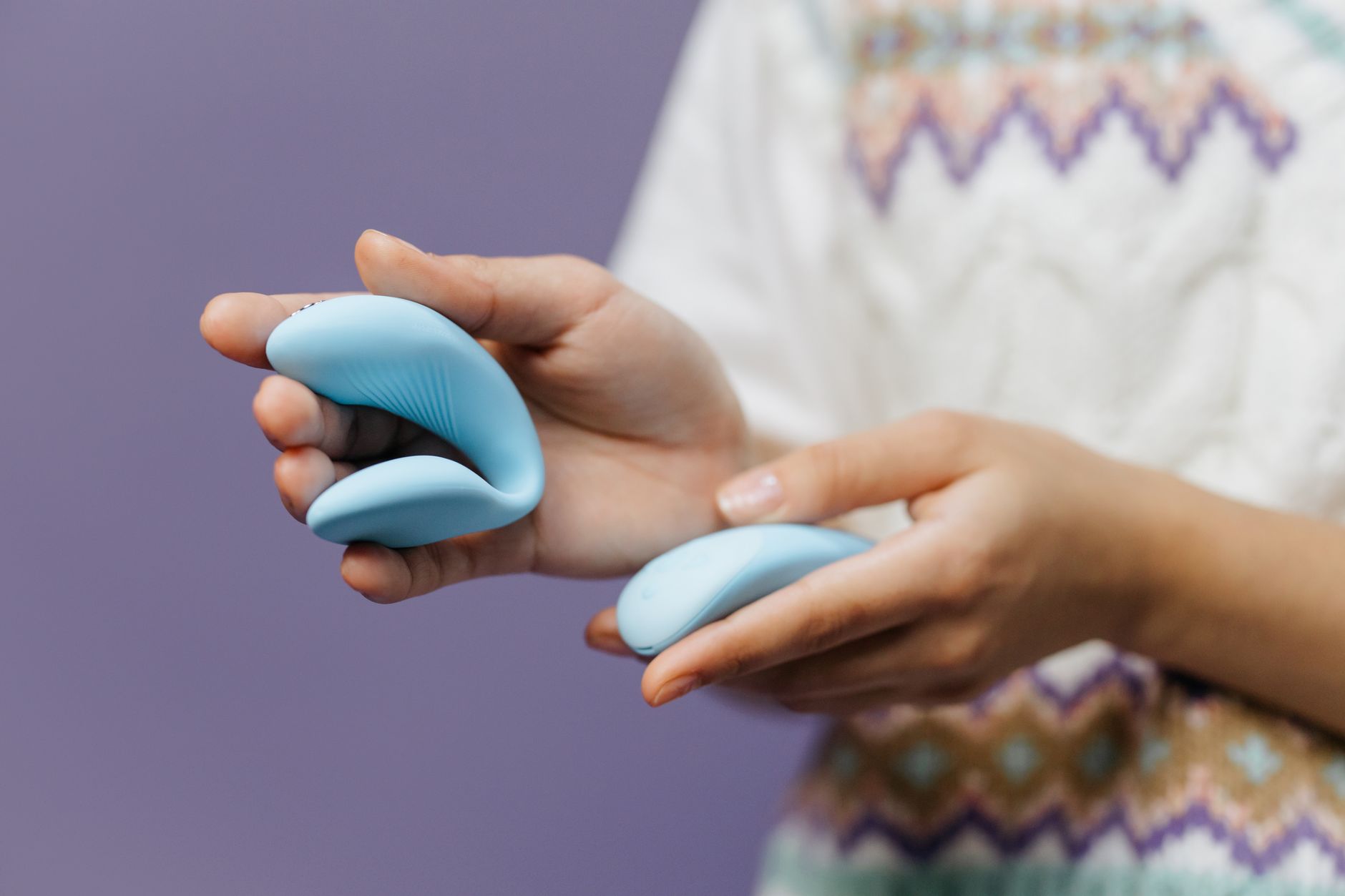
For the knowledge gap: Let them hold it. Watch your partner touch it, feel the weight, see the simplicity. Many partners feel way less weird about lemon vibrators once they realize it's just a small, elegant silicone toy, not some intimidating apparatus. If you have one already, great. If not, watch a demo video together on Helo Nancy's site, or read the specs. Familiarity kills half the weirdness.
For the "sex should be traditional" angle: This one takes longer, but it works. Share stories about other couples who use clitoral vibrators during partnered sex. Normalize it. Frame it as evolution, not deviation. "Most couples our age use toys at some point. I want us to be able to talk about it without it being weird." Sometimes just knowing they're not alone shifts the entire frame.
For the shyness: Make it easy. Send them an article. Say "Thought of you" and attach something from Helo Nancy's blog. No pressure to respond. Just normalize the topic. Shy resistance often melts when the awkwardness gets routinized.
The middle ground that actually feels good
Let's say they've moved from "no" to "maybe." Here's what integration looks like in practice:
Start separate, not combined. Your partner isn't ready to see the lemon vibrator during sex yet. That's fine. You use it solo. You get comfortable. They occasionally see it around. It becomes a normal object. No shame, no hiding it. After a few weeks or months, the familiarity alone dissolves some of the weirdness.
Add it to foreplay, not penetration. Use a lemon clitoral vibrator while you're kissing, touching, connected in other ways. Not as a replacement for what they're doing. As a parallel experience. Your partner gets to see you respond, gets to feel involved, and slowly understands that this actually enhances the time you spend together.
Let them control it. This is the magic move. Once they're comfortable, hand them the lemon vibrator and ask them to use it on you. Suddenly, it's not a threat. It's a tool they get to give you pleasure with. The psychological shift is massive. They go from "threatened by the toy" to "I get to make my partner feel incredible." That's a completely different experience.
Use it solo sometimes too. Your partner doesn't have to be there every time. And frankly, you deserve pleasure on your own terms, in your own time. That's not a threat to your relationship. It's a sign of healthy autonomy. Make sure they know this is normal.
What to do if they stay resistant
Honestly? Some partners take longer than others. Some never fully come around to using a lemon vibrator together, and that's data too. If you've explained the reasoning, addressed the actual fear, and given it time and they're still a hard no, you have real information about what matters to them and what doesn't.
Then the conversation shifts. "I hear that you're not into this. That matters to me. What would help you feel less anxious about it?" Or sometimes: "This is important to me. I need to use this in my body. Can you support me in that even if you don't use it yourself?"
There's a difference between a partner who's slowly warming up and a partner who's drawing a hard boundary. One is worth time and patience. The other is worth respecting, even if it's disappointing.
When the introduction goes well
The couples I work with who get past the initial resistance often tell me the same thing: once their partner understood that the lemon vibrator wasn't replacing them, the dynamic shifted completely. The partner who was defensive often becomes curious. The one who was anxious often becomes relieved. And the couple? They end up having conversations about pleasure they'd never had before. That's the real win.
Your job right now isn't to convince anyone. It's to stay patient, address the actual fear underneath the objection, and let time and familiarity do the work. A lemon clitoral vibrator is a small thing. But how you introduce it can be a moment where your partner feels truly heard instead of pressured. That's what transforms resistance into openness.
FAQ
What if my partner thinks toys mean our sex life is broken?
That's the most common fear, and it's worth addressing head-on. You could say: "I actually think our sex life is great. I'm not trying to fix anything. I'm trying to expand what we already have. Most couples explore new things together at some point. I'd love for us to be curious about this together." Frame it as adventure, not repair.
Can I use a lemon vibrator without telling my partner?
Technically yes. Ethically, it gets murky depending on your relationship agreements. Some couples have standing permission for solo play. Others have explicit agreements about toy use. Know your relationship's actual rules, not the ones you wish you had. If you're using a toy secretly because you're afraid of the conversation, that's usually a sign the conversation needs to happen.
What if my partner agrees but then feels emasculated during sex?
This happens. Your partner might intellectually understand that a lemon clitoral vibrator enhances pleasure but emotionally feel threatened when it's actually there. That's real, and it doesn't mean the experiment failed. Pause. Talk. "I notice you seem uncomfortable. What's going on?" Maybe you use it only when they're not inside you. Maybe you use it without them watching initially. Maybe they need more time. The lemon vibrator isn't going anywhere. You can try again.
How do I know if my partner's objection is just fear or a genuine dealbreaker?
Time and conversation. If your partner is gradually getting more comfortable, asking questions, or even just tolerating the toy's presence, they're processing, not drawing a line. If they've explicitly said "don't use this in our bedroom" or "this makes me too uncomfortable," that's a boundary worth respecting. You can push back on shame. You shouldn't push back on explicit discomfort.
Can we use a lemon vibrator without it becoming a regular thing?
Absolutely. Some couples bring in a lemon clitoral vibrator occasionally, like a special occasion tool. Other couples use it regularly. There's no "right" frequency. Experiment and see what feels good for both of you. If your partner is more comfortable with occasional use, that's a legitimate middle ground.
What if introducing the topic ruins the mood?
It might, at first. Conversations about pleasure can feel clinical, awkward, or unsexy. That's okay. You're not supposed to have this conversation during sex or when you're both aroused. You have it over coffee, during a walk, or right after you've connected. You're giving both of you room to think, respond, and adjust without pressure. The mood will come back once the conversation lands.
The long view
I've worked with hundreds of couples navigating this exact tension. The ones who come out the other side stronger aren't the ones who convinced their partner to use toys. They're the ones who took the time to understand what was actually scary, addressed that fear with patience, and let their partner move at their own pace. A lemon vibrator is just a tool. But how you introduce it to your partner? That's a conversation about whether you both feel safe enough to ask for what you need. That matters way more than the toy itself. Everything else flows from there.