Here's the thing nobody talks about
One of you wants more. The other wants less. This doesn't mean your relationship is broken. It means you're human. Mismatched desire is one of the most common friction points couples face, and it shows up in so many shapes: one partner always initiating, the other always saying "maybe later", someone feeling like they're chasing while someone else feels chased.
What makes it complicated is that intensity itself isn't the real issue. What you're actually negotiating is pleasure, control, and how safe you feel asking for what you want. That's where a lemon clitoral vibrator changes the equation.
Why intensity mismatch happens (it's not about love)
Let's separate two things that get tangled up. Desire frequency (how often you want sex) and pleasure intensity (how intense you want the experience to be) operate on different tracks. You can have high desire but low intensity preference. You can want sex often but prefer gentle connection. You can want less frequent sex but want it absolutely wild when you do.
Your partner might crave intensity because their nervous system actually processes pleasure differently. Some brains release more dopamine from high-intensity sensation. Others feel overwhelmed by it. Neither is wrong. Neither means someone loves the other person less.
The conflict often isn't about sex at all. It's about feeling heard. The partner who wants more intensity feels like their needs are being minimized ("You never want anything big"). The partner who prefers less intensity feels like they're being pushed ("You always want me to do more"). Both are telling a story that sex has become a place where they can't win.

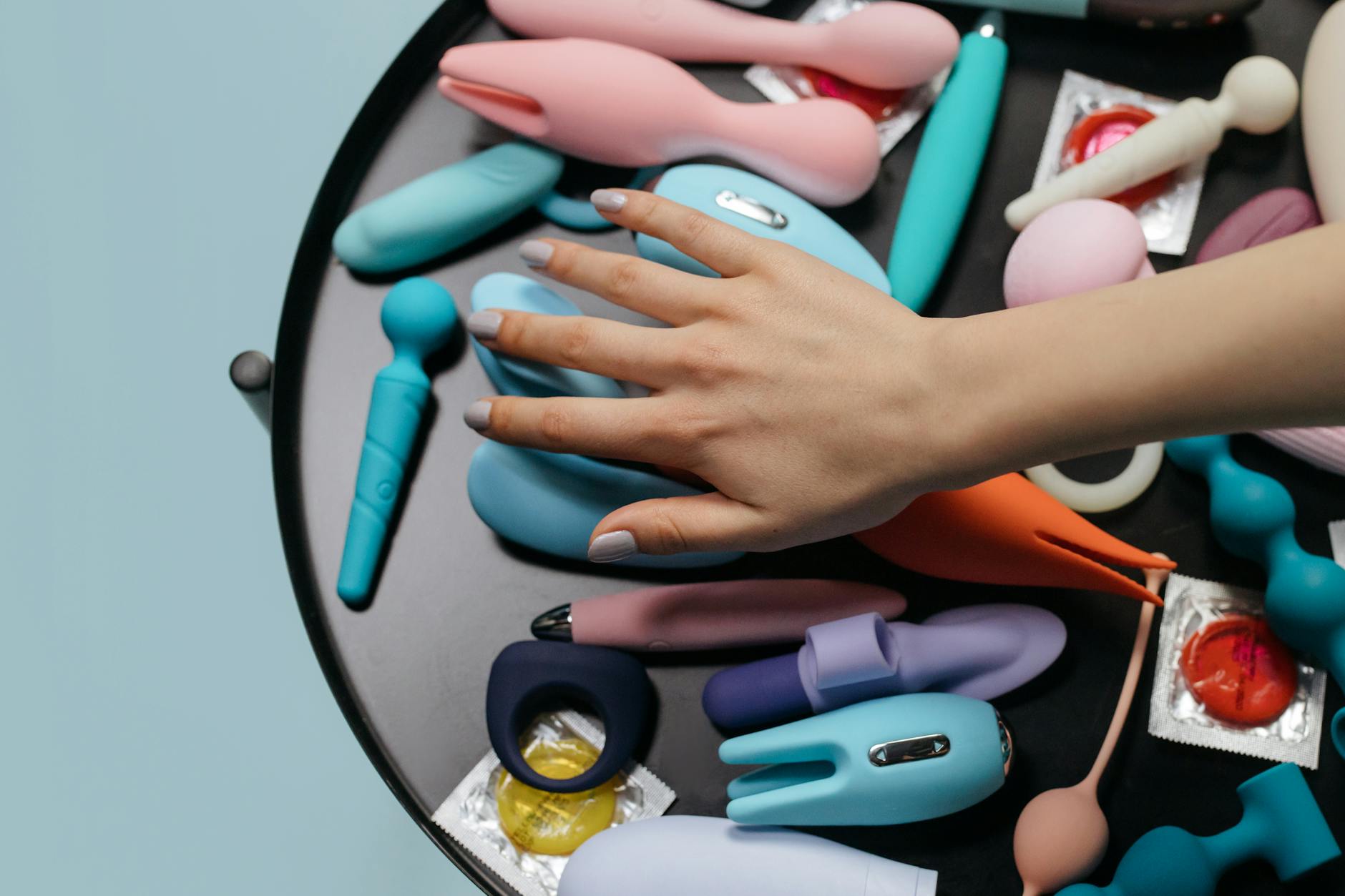
Photo by cottonbro studio on Pexels
How a lemon sucker reframes the whole dynamic
Here's what happens when you introduce a clitoral vibrator like the Lemon into this equation. Suddenly, intensity becomes a solo choice rather than a partnership negotiation. The person who wants more stimulation can access it. The person who prefers gentler touch can enjoy the way suction works, which feels fundamentally different than traditional vibration.
Clitoral suction toys operate through gentle air-pulse technology rather than buzzing friction. This means the person who wants less intensity can experience pleasure that doesn't feel overwhelming or invasive. You're not sacrificing your comfort to meet your partner halfway. You're finding a tool that meets you where you actually are.
Meanwhile, your partner who craves intensity can layer in patterns, increase the suction level, use it for extended sessions, or combine it with other touch. They get what they need. You get what you need. Nobody is compromising, which is key because compromise on pleasure usually means resentment shows up later.
How to talk about it before you try it
The conversation matters more than the toy. Here's what I tell couples: start by naming what you actually need, not what you think you should want.
For the partner who wants more intensity: "I need to feel more sensation to really get aroused. This isn't about you. My body just works this way. I'd love to find a way we can both feel satisfied."
For the partner who prefers less intensity: "I like connection, but high intensity sometimes feels overwhelming. It's not rejection. It's my nervous system. I want to enjoy this with you."
Notice the structure. You're describing your actual physiology, not criticizing your partner's preferences. You're also naming that you want to make it work.
Then show them what you're thinking. Look at clitoral vibrators together. Read about how suction technology works. Let them see that this isn't about replacing them or proving they weren't enough. It's about expanding what pleasure can look like for both of you.
The practical setup that actually works
When you're both ready to try, here's how to remove the awkwardness.
Start solo first. Both of you explore the lemon vibrator alone before you use it together. This serves two purposes. One, you each figure out what intensity and patterns feel good without performance pressure. Two, it removes the novelty factor so when you introduce it together, it's not a big shocking moment.
Then use it together without partnered penetration. Lie next to each other. You use the lemon on yourself. Your partner touches you elsewhere. Your partner might use their hands on themselves, or they might just be present and enjoy watching. There's no "supposed to" here. The point is you're both getting pleasure without negotiating whose needs matter more.
Layer it in slowly. Once you're comfortable, start combining it with partnered touch. Your partner can use the lemon on you while also kissing you, holding you, being involved. They get to participate in your pleasure. You get the intensity level that works for you. The dynamic shifts from "me vs. you" to "us together."
Why this actually fixes the resentment
Here's what I see happen in my practice when couples introduce a lemon clitoral vibrator into a mismatched-intensity situation. The person who felt unheard finally gets to experience the pleasure they actually need. Their partner gets to watch them feel good. The whole emotional temperature changes.
Sex stops being a place where someone is always sacrificing and starts being a place where both people can relax. That matters. Because when pleasure is actually happening, when both of you are actually satisfied, the rest of the relationship gets easier.
The resentment that builds from "they never want what I want" dissolves when you realize the solution wasn't forcing them to want more. It was finding a way for both wants to exist at the same time.
What happens if one partner still resists
Sometimes you have this conversation and your partner says no. They don't want toys involved. They think it's weird or emasculating or a sign something's wrong.
That's a different conversation, and it's worth having with clarity. The resistance usually isn't about the toy. It's about feeling insecure or afraid that a vibrator means they're not enough. That fear is real and it matters.
But here's the truth: a toy is never a replacement for your partner. A lemon vibrator doesn't rebuild intimacy on its own. The intimacy comes from you both deciding that your partner's pleasure is worth figuring out together. The toy is just the tool that makes the figuring out easier.
If your partner won't engage with that conversation, you might need a couples therapist. Not because your relationship is failing. Because desire mismatch, when it builds resentment and creates gridlock, benefits from a third-party voice.
The deeper shift that happens
When you use a clitoral vibrator together to bridge an intensity gap, something subtle shifts. Pleasure becomes less about performance and more about genuinely connecting with your own body and your partner's presence. You're not in a race to match each other. You're both just experiencing what feels good.
This actually makes other parts of your sex life easier too. You learn to talk about what you actually want instead of assuming. You stop resenting each other. You start seeing toys and techniques not as Band-Aids but as legitimate parts of a healthy sex life.
The lemon clitoral vibrator becomes less about "solving the problem" and more about "choosing each other's pleasure."
People also ask
What if my partner feels threatened by a vibrator?
That insecurity is common and worth addressing directly. Explain that the vibrator does something different than they do, not better. Invite them to participate. Let them use it on you. Show them it's an addition to your sex life, not a replacement. If the resistance persists, couples counseling can help you both understand what's really driving the fear.
Can we use a lemon vibrator if we have different body types or mobility needs?
Absolutely. Clitoral suction toys are designed for external use and don't require specific positioning or flexibility. If one partner has mobility limitations, a vibrator actually creates more options, not fewer. You can adjust positions, pace, and pressure in ways that work for both bodies.
How do I know which intensity setting to start with?
Start at the lowest setting every single time, even if you think you want more. You can always increase. You can't undo overstimulation in the moment. After a few sessions at lower intensities, you'll know what range works for you. Your partner will know their range too.
What if we try it and it feels awkward or weird?
That's normal. The first time you introduce anything new, there's novelty awkwardness. Give yourself permission to laugh, pause, reset, and try again. It might take three times before it feels natural. That's completely fine. The awkwardness usually fades once you're both more comfortable with the tool.
Is using a toy together considered cheating?
No. Cheating involves deception and violating agreement. If you're both choosing to be there and have discussed it, you're literally the opposite of cheating. You're communicating and prioritizing mutual pleasure.
How often should we use it?
There's no "should." Use it when it feels right. Some couples use toys together once a month. Others every time. Listen to what you actually want, not what you think you're supposed to do. The moment it becomes an obligation is the moment it stops being fun.