The hormone-desire trap nobody talks about
Let's be real: your hormones are chemistry, and chemistry is destiny. When your estrogen, progesterone, or testosterone drop, desire doesn't just dim. It vanishes. You'll find yourself genuinely not wanting sex at all. Not because something is wrong with you or your relationship. Not because you're aging. Not because you're broken. Because your brain's pleasure circuitry is literally under-fueled.
The cruelest part? Your body still works. You can still orgasm. You just don't want to. And then you feel broken, your partner feels rejected, and everyone's confused.
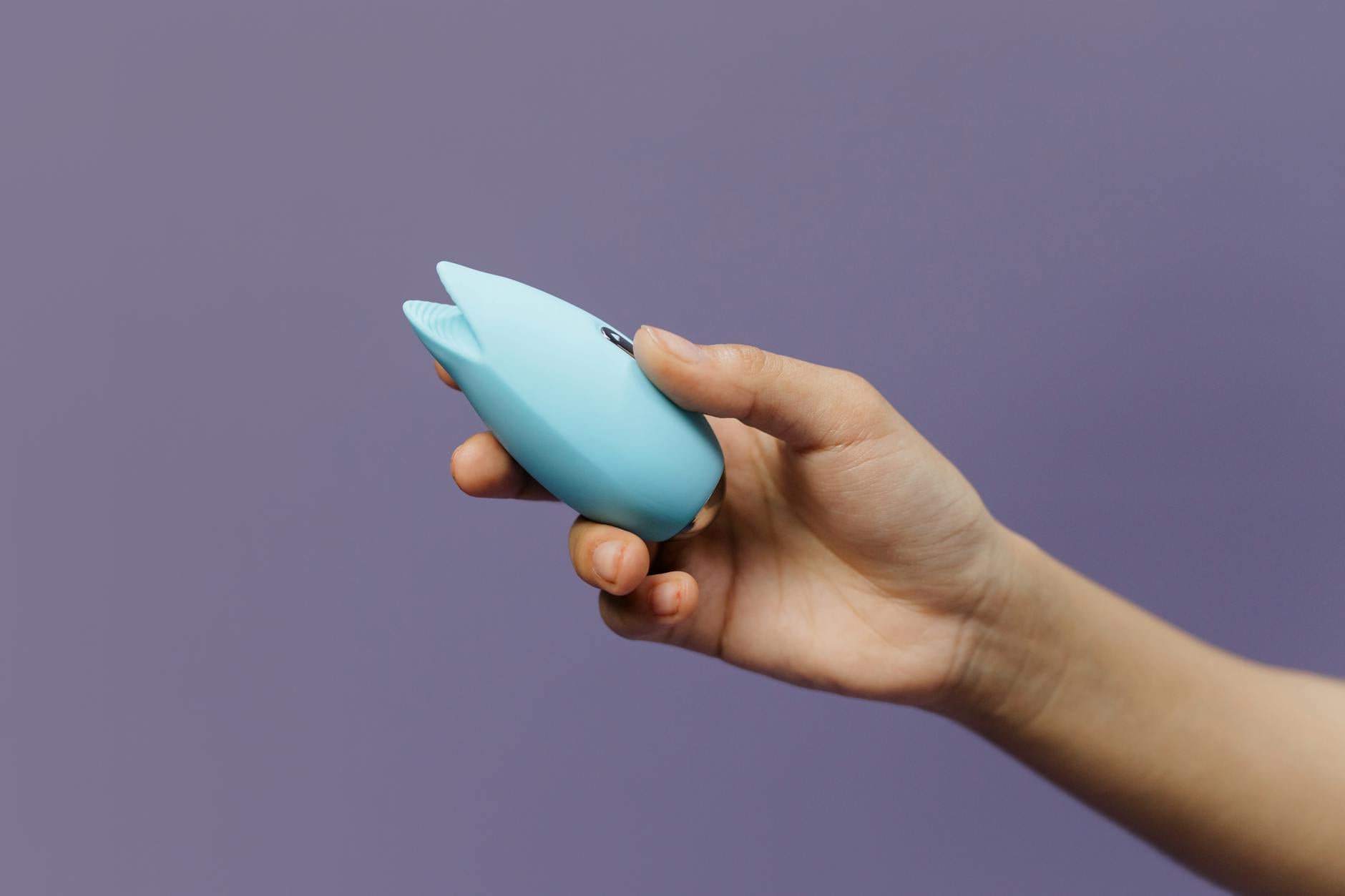
I've worked with hundreds of people through this exact trap. Here's what I've learned: you don't have to wait for your hormones to stabilize to feel good again. A lemon vibrator can work as a bridge. Not a magic fix, but a practical tool that helps you access pleasure when motivation is gone.
How hormones actually kill desire
Three hormones drive sexual want: testosterone, estrogen, and dopamine.
When testosterone drops (yes, women make it too), you lose the biological itch to initiate. When estrogen falls, the signals between your brain and genitals weaken. Dopamine is the reward chemical, and stress, medication, or hormonal chaos can tank it fast. Together, these create a situation where your brain literally doesn't light up the way it used to when you think about sex.
This is not laziness. This is not a sign you don't love your partner. This is neurobiology.
Here's the thing nobody tells you: low desire from hormones is different from low desire from relationship problems or trauma. With hormonal shifts, the capacity for pleasure is still there. The neural pathways work. The nerves in your clitoris are fine. You're just not getting the neurochemical kickstart that makes you want to touch yourself.
That's where a lemon vibrator becomes useful. It bypasses motivation entirely and goes straight to sensation.
Why lemon vibrators work when desire is low
A lemon clitoral vibrator uses air-suction technology instead of traditional vibration. Here's why that matters when hormones have tanked your libido.
Traditional vibrators require you to want stimulation. You have to initiate, position yourself, decide on intensity. When your dopamine is in the basement, all of that friction feels exhausting. A lemon vibrator's suction creates sensation that feels different from pressure. It's more like a gentle pull that draws blood flow and stimulation without requiring enthusiasm upfront.
Second, a lem vibrator delivers consistent, rhythmic stimulation. When desire is low, your body needs a bit of coaxing to remember what pleasure feels like. The repetitive suction pattern helps your nervous system re-learn arousal without you having to manufacture it mentally.
Third, the design means less maintenance during the experience. You don't have to manage angles or intensity adjustments. You apply it and let it work. When you're running on hormonal fumes, that simplicity actually matters.
Getting started with a lemon vibrator when you're unmotivated
Here's the honest approach.
Start by scheduling it. Not romantic, but practical. If your libido is truly flatlined, spontaneity isn't happening. Block 15 minutes in your calendar like you would a gym session. This removes the mental load of "deciding" if you feel like it.
Use it when you already have a little bit of arousal. That might mean fantasizing first, reading something that interests you, or just lying in bed for five minutes. Don't expect the lemon vibrator to generate all the arousal from zero. Think of it as amplifying what's already there, not creating something from nothing.
Start at pattern 1 or 2. The temptation when you're not feeling much is to go straight to high intensity to "wake things up." Resist that. Lower intensities let your nervous system adjust without overstimulating. You can always turn it up.
Set a time limit. This sounds weird, but give yourself permission to stop after 10-15 minutes, even if you haven't orgasmed. When desire is low, chasing orgasm becomes a project, and projects feel like work. Instead, just focus on sensation. Did you feel something? That's a win. Your hormones might need weeks to rebalance. Each small session of sensation is progress.
The role of lubrication when hormones are low
Low hormone levels often mean lower natural lubrication. Your tissues might feel less plump or responsive. Water-based lubricant becomes non-negotiable, not optional.
Apply it generously to the lemon vibrator and to your vulva. This does two things. First, it removes friction that can feel uncomfortable or numb when tissues are already under-responsive. Second, it increases sensation. Lubrication creates better contact and helps the suction work more effectively.
If you're on hormonal birth control, estrogen-based therapy, or going through perimenopause, this is especially important. Your tissues are thinner. Lube stops what should be pleasurable from feeling irritating.
A good water-based lubricant designed for sensitive skin makes a real difference. Avoid anything with sugar or numbing agents. You need sensation, not distraction.
When to involve your partner
If you're in a relationship, low libido can tank intimacy fast. Your partner might feel rejected. You might feel guilty. The lemon vibrator can actually be a conversation opener here.
Try using it together. Not as a replacement for partnered sex, but as something you explore alongside them. Your partner can hold the lemon vibrator, which keeps them involved. You get the pleasure without the pressure to perform or initiate. They feel included in your pleasure instead of outside it.
Or use it solo. Seriously. Getting comfortable with your own pleasure solo is actually foundational. When you rediscover sensation on your own terms, you bring that back to partnered sex. You know what works. You're not relying entirely on your partner to initiate or manage your pleasure.
Conversation about hormonal changes is worth having upfront. "My libido is low right now because of [hormones, medication, stress], and I'm not rejecting you. I'm using the lemon vibrator to stay connected to my body while this rebalances." That reframe often softens the rejection narrative that couples get stuck in.
The timeline you should actually expect
Hormonal rebalancing takes time. If you're on medication that's tanking desire, it might take weeks or months to notice improvement. If you're perimenopausal or dealing with cycle-related hormonal shifts, the timeline varies wildly.
During that waiting period, using a lemon vibrator serves two purposes. First, it keeps you connected to sensation and pleasure, even if desire is absent. That connection matters for your nervous system and your sense of self. Second, it's a practical bridge. You're not just passively waiting for hormones to fix themselves. You're actively engaging with your body and pleasure.
Expect some sessions to feel mediocre. That's fine. Hormonal shifts mean some days your body responds better than others. A session where you feel nothing is not a failure. It's data. Your body is communicating something about your hormonal state or stress level that day.
When hormonal low libido needs professional help
If your libido has disappeared completely and hasn't budged in more than two months, it's worth talking to a doctor. Testosterone therapy, adjusting birth control, or treating thyroid issues might be necessary. A lemon vibrator is a tool, not a treatment.
If medication is the culprit, ask your prescriber about alternatives. SSRIs and some antidepressants tank desire in a lot of people. There are sometimes switches you can make. If the medication is working well for your mental health, the conversation becomes about whether a lemon vibrator plus medication is a workable combination for you, or whether you need additional support.
Same goes if you're depressed or burned out. Low libido is often a symptom of depression, not a separate problem. Addressing the depression first usually helps desire return naturally.
The bigger picture
Your body isn't broken when hormones tank your desire. It's responding exactly as it should. The good news is that response is not permanent, and it's not a sign that your capacity for pleasure is gone.
A lemon vibrator offers a practical way to stay connected to sensation while you wait for hormonal rebalancing. It's not about forcing pleasure or powering through. It's about gentle persistence. Showing up for your own body, even when motivation is absent. Remembering that desire and pleasure are not the same thing, and pleasure can exist without desire.
When you're ready to explore, how to use a lemon vibrator when you're just getting started again after years away walks through the basics of reintroduction. And if hormonal changes are tied to relationship shifts, how to use a lemon vibrator for couples rebuilding intimacy after life stress covers conversation strategies.
Your pleasure matters. Even when your hormones are conspiring against you.
People also ask
How long does it take for low libido from hormonal changes to improve?
It depends on the source. If you've just started hormonal birth control, libido usually stabilizes within three months. If you're perimenopausal, it can take years of fluctuation before you land in a new normal. If it's medication-related, switching the medication might help within weeks. If it's stress or burnout related, you're looking at however long it takes to genuinely reduce stress. Give it at least two months of consistent pattern before assuming something deeper is wrong. Track how you feel on different days to notice patterns.
Can a lemon vibrator actually bring back desire, or just sensation?
A lemon vibrator brings back sensation, which is different from desire. Desire is want. Sensation is feeling. What often happens is that consistent sensation and pleasure slowly rebuild your brain's association with sex as rewarding. That can eventually help desire return. But the vibrator itself doesn't manufacture want. It creates conditions where your body remembers pleasure exists, which sometimes helps desire follow. Think of it as building back trust with your own body rather than forcing desire.
Should I use a lemon vibrator if I'm on antidepressants that lower libido?
Yes, absolutely. Antidepressants save lives and are worth the libido side effect if the medication is working. A lemon clitoral vibrator can help you maintain sexual sensation and pleasure while you're on the medication. You might also ask your doctor about adjusting timing (taking the pill at night instead of morning), switching to a different SSRI, or adding something like bupropion to counteract libido loss. The vibrator is a great addition to that conversation, not a replacement for it.
Is it normal to feel nothing with a lemon vibrator when hormones are low?
Completely normal. When your dopamine and testosterone are in the basement, sensation can feel muted. Lube helps. Starting at lower intensities helps. Giving yourself multiple sessions helps. But some days, especially during hormonal dips in your cycle, you might still feel almost nothing. That's not a sign the vibrator is broken or you're broken. It's a sign of how profoundly hormones affect sensation. Stick with it through multiple sessions before deciding it's not working.
Can hormonal low libido damage my relationship?
It can create tension if partners don't understand what's happening. The rejection narrative kicks in. Sex becomes stressful. That stress actually makes libido worse. The best protection is conversation and transparency. "This is hormonal, not about you" paired with effort to maintain some intimacy (partnered or solo) usually keeps the foundation solid. A lemon vibrator can actually help here because it keeps you connected to pleasure without pressure, and you might involve your partner in the process.
What if low libido is from relationship problems, not hormones?
Then a vibrator won't fix it. Low desire from disconnection, resentment, or unmet needs requires couple's work or individual therapy. Hormonal low libido is chemistry. Relational low libido is about safety, trust, or alignment. The two can exist together, which makes it important to untangle them. If you suspect it's relational, that's the conversation to have first. A therapist trained in relationship dynamics can help you figure out what's driving the loss of desire.
References
Greenberg, J. P., et al. (2009). Associations between spontaneous sexual thoughts, sexual desire, and sexual satisfaction. Journal of Sexual Medicine, 6(2), 412-420. https://doi.org/10.1111/j.1743-6109.2008.01108.x
Rossi, B., et al. (2015). Testosterone and desire in healthy women. Archives of Sexual Behavior, 44(1), 15-24. https://doi.org/10.1007/s10508-013-0141-8
Warner, P., et al. (2012). Low desire in women. Sexual and Relationship Therapy, 27(3), 270-282. https://doi.org/10.1080/14681994.2012.718893