Here's what nobody tells you about pleasure and time
Your body doesn't lose its capacity for pleasure as you age. What actually shifts is sensitivity to certain types of stimulation. The same vibration pattern that worked at 25 might feel muted at 45 or 55. This isn't failure. It's just biology. And it's completely manageable once you understand what's happening.
Many people assume that needing stronger stimulation means something is wrong. It isn't. Nerve density, tissue resilience, and how quickly your nervous system registers sensation all change naturally. The good news? The right tool, used the right way, can feel better than anything that came before.
Why traditional vibrators stop working the way they used to
Standard bullet vibrators and wands rely on direct mechanical vibration against tissue. They buzz in a consistent frequency, usually between 5,000 and 10,000 cycles per minute. When your clitoral tissue is very sensitive, that pattern feels incredible. When sensitivity shifts with age, the same frequency often feels generic or even slightly numb.
This is where air-suction technology changes everything. A lemon vibrator like the Lem uses gentle pulsing suction instead of direct vibration. It creates rhythmic waves of pressure that stimulate the entire clitoral complex, not just the surface. The sensation is deeper, more enveloping, and almost always stronger than what people expect.
The Lem's suction patterns mimic the sensation of oral sex. Your clitoris has thousands of nerve endings that respond to this type of stimulation. When direct vibration feels dulled or numb, suction often wakes up pathways that mechanical buzz never reaches.
Why nerve response changes with age (and why it matters)
As we age, several things happen to peripheral nerve sensitivity. Myelin, the insulation around nerve fibers, can thin slightly. Nerve endings become less densely packed in some areas. Estrogen and testosterone fluctuations affect how quickly nerves fire signals to the brain. None of this means you're broken. It means your nervous system is processing sensation differently.
This is actually why many of my clients report that their most intense orgasms come later in life. When the easy buzz stops working, you're forced to experiment. And experimentation often leads to discovering what actually works best for your unique neurology. That's not loss. That's evolution.
The shift in sensitivity also means you need stimulation that has variety. A single, unchanging vibration pattern becomes background noise to your nervous system. Toys with multiple settings, patterns, and intensity levels work better than simple on-off devices.
What makes air-suction lemon vibrators different for stronger sensation
Three core reasons why a lemon clitoral vibrator outperforms traditional tools when you need intensity.
1. Broader nerve activation. Suction doesn't vibrate in one spot. It creates pressure waves across the entire clitoral head and shaft. Your clitoris isn't just the visible nub. It's a complex organ with internal branches that extend into your body. Suction engages all of it simultaneously. Buzz toys often miss those deeper nerve pathways.
2. Pressure, not just frequency. Traditional vibrators prioritize speed. Air-suction toys prioritize pressure. The sensation of being gently pulled and released is fundamentally different from being buzzed. If direct vibration has stopped registering, suction often breaks through because it's a wholly different sensation.
3. Customizable intensity without pain. With a lemon sucker, you control how much suction you want. You can start at pattern 1 or 2 and gradually increase. You're not dealing with a toy that's either on or off, or one that maxes out at a frequency that doesn't suit you. The customization means you find the exact pressure that works for your nervous system.

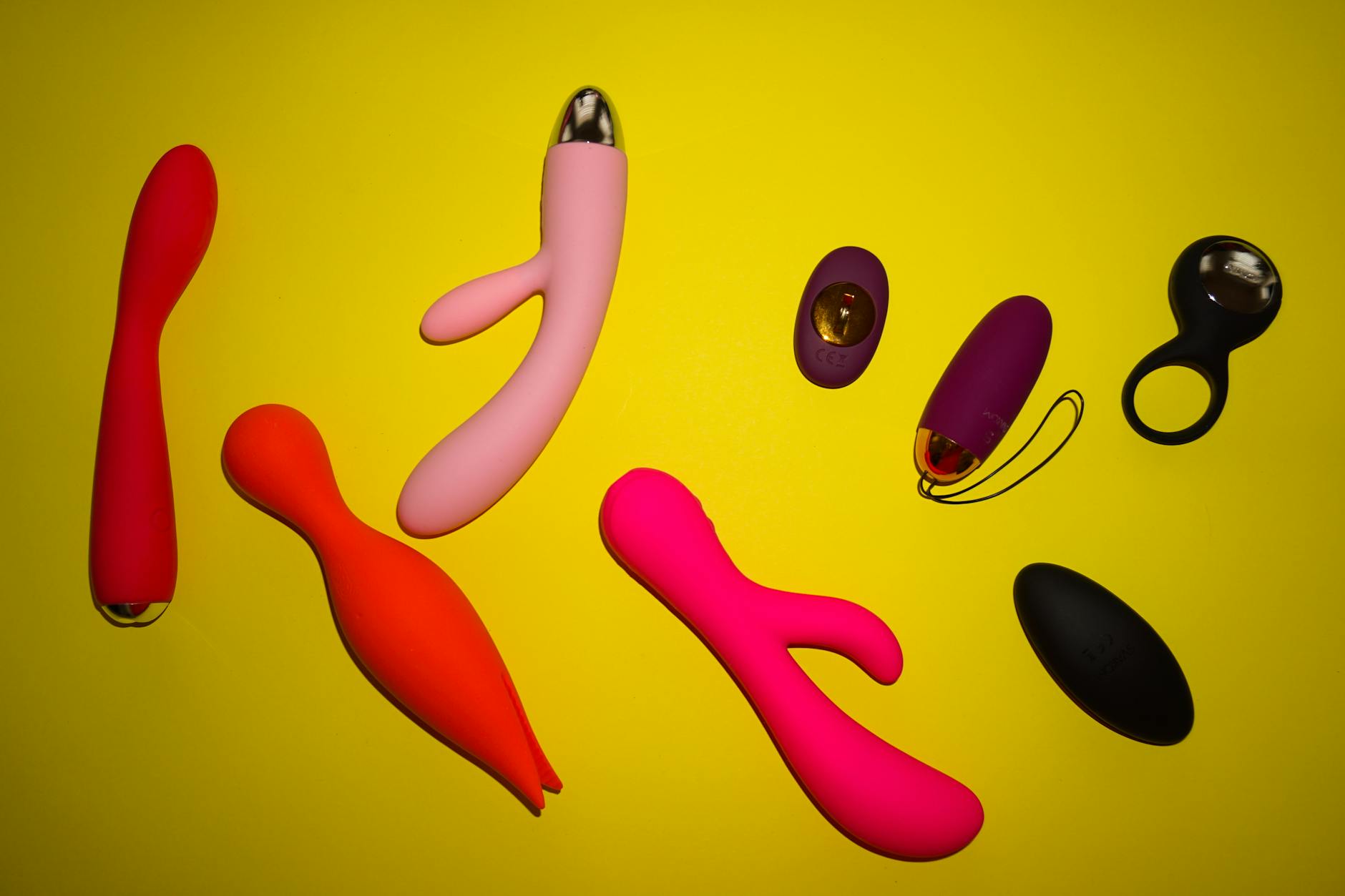
Photo by Vanessa Loring on Pexels
How to build intensity gradually with a lemon vibrator
If you've been using traditional toys and haven't tried air-suction technology, starting too high is the most common mistake. The sensation is so different that pattern 5 on a Lem might feel overwhelming when vibrator intensity at maximum was completely fine.
Start at pattern 1 or 2 for your first session. Spend at least 5 minutes at this level, even if it feels subtle. Your nervous system needs time to recognize the sensation and respond. Suction stimulation builds differently than buzz stimulation does.
After your first few sessions, gradually increase the pattern. Move from pattern 2 to 3 over the course of a week. Notice which patterns create the strongest response. Most people find that patterns 4 through 6 are where the real intensity lives, but you won't know until you get there.
If a pattern feels too intense, stay at the previous level for a few more sessions. Your clitoral tissue needs time to acclimate. This isn't about pushing through discomfort. It's about respecting your body's timeline.
Combining lemon vibrators with partnered play when you need more
One of the biggest shifts people experience with age is how partnered sex changes. What used to work might not anymore. Your partner might feel like they're doing something wrong. They're probably not.
This is where bringing a lemon clitoral vibrator into partnered play becomes useful. Rather than replacing your partner, it augments what they're doing. During foreplay or penetration, using a Lem at the same time often creates sensations that neither of you could access alone.
Talk about this beforehand. "I've noticed I need a bit more intensity lately. I want to bring the vibrator in not because anything's wrong with you, but because together we might feel something new." That conversation shifts the entire dynamic from problem-solving to exploration.
The suction sensation is also different enough from penetrative stimulation that adding it doesn't feel redundant. Many people find that using a lemon vibrator during penetration creates a whole-body experience that standard vibrators alone never delivered.
Lubrication and tissue care when stimulation is stronger
When you're using a more intense toy, tissue health becomes more important. This isn't complicated, but it matters.
Always use water-based lubricant with your Lem. The suction works best when there's a light seal between the toy and your skin, and lube helps that happen without pulling or pinching. A silicone-based lube will degrade silicone toys over time, so stick with water-based.
If you're experiencing any dryness due to hormonal changes or medication, a good lube also protects sensitive tissue during longer sessions. You shouldn't feel pain or abrasion. If you do, you're either using too high an intensity too soon, or you need more lubrication.
After use, wash your toy with warm water and mild soap, or use a toy cleaner. Dry it completely before storing. Proper care extends the life of your Lem and keeps it safe and hygienic.
When to see a healthcare provider
There's a difference between normal sensitivity changes and something that needs medical attention. If you're experiencing pain during stimulation, pain with penetration, or complete loss of sensation despite trying different approaches, talk to a healthcare provider.
Genitourinary syndrome of menopause, medication side effects, or nerve-related conditions can all affect sensation. These are treatable. A gynecologist or pelvic health specialist can assess what's actually happening and offer solutions that might include topical creams, hormone therapy, or pelvic floor physical therapy.
Using the right sex toy helps. But it's not a substitute for medical care if something is genuinely wrong.
Making the shift to stronger stimulation feel natural
Here's the thing about aging and sexuality. The narrative we hear is usually "everything gets harder." And yes, some things do. But what actually happens, if you're willing to experiment, is that you discover what you actually like rather than what you thought you should like.
Needing stronger stimulation isn't a decline. It's information. Your body is telling you what works now. Listening to that signal, and finding tools that match it, often leads to better sex, more reliable orgasms, and genuine pleasure that didn't feel accessible before.
A lemon sucker or lem vibrator isn't a workaround for aging. It's a tool designed for what your body needs at this stage. And that's worth taking seriously.
Frequently Asked Questions
How is a lemon clitoral vibrator different from a regular vibrator for aging bodies?
Traditional vibrators rely on mechanical vibration at a fixed frequency. A lemon clitoral vibrator uses air-suction technology, which creates rhythmic pressure waves instead of buzz. This broader, deeper sensation often registers better when direct vibration has started to feel muted. Suction stimulates the entire clitoral complex, not just the surface, which is why it tends to feel more intense and satisfying.
Why does my clitoral sensitivity change with age?
Multiple factors contribute. Myelin (nerve insulation) can thin slightly over time. Nerve endings become less densely packed in some areas. Hormonal fluctuations affect how quickly nerves signal sensation to your brain. These changes are completely normal and don't mean anything is wrong. They just mean your body processes sensation differently now, and you might need different tools to feel what you want to feel.
Will using stronger stimulation make me need even more intensity over time?
There's a misconception that using intense toys creates a tolerance spiral. That's not how it works. Your nervous system doesn't permanently "burn out" from sensation. You're not damaging anything by using a lemon vibrator at higher patterns. What matters is finding the intensity level that works for your body right now. Most people find a sweet spot and stay there rather than constantly escalating.
Can I use a lemon sucker toy if I'm on hormonal birth control or other medications?
Yes. Medication can affect sensation, but using the right vibrator compensates for that. If your medication has reduced sensation, the broader stimulation from air-suction technology often breaks through where traditional vibrators don't. That said, if you're experiencing significant numbness or sensation loss, talk to your doctor. They can sometimes adjust dosages or suggest alternatives.
Is it normal to need a lem vibrator now when I didn't before?
Completely normal. When physical sensation changes with age, your needs change too. This isn't failure or dysfunction. It's your body telling you what works for it now. Many people find that discovering a lemon clitoral vibrator in their 40s or 50s leads to some of the best sex of their lives because they're finally using tools that match their actual neurology.
What if a lemon vibrator feels too intense at first?
Start at the lowest pattern and spend several sessions there before increasing. The sensation is so different from traditional vibrators that your nervous system needs time to recognize it and respond. If pattern 2 feels intense, stay there for a week. Increase gradually. There's no timeline here. Moving too fast is the most common mistake people make.
Can I use a lemon vibrator with a partner if I need stronger stimulation?
Absolutely. Using a lemon sucker during partnered sex adds a dimension of intensity that neither of you might access alone. Talk about it beforehand so your partner understands it's not a replacement for them but an addition to what you're doing together. The suction sensation is completely different from penetration, so it doesn't feel redundant. Many couples find it opens up new possibilities.
The bottom line
Your pleasure matters at every age. When what used to work stops working the way it did, that's not a sign to give up. It's a signal to pay attention. A lemon vibrator, designed specifically for clitoral stimulation through air-suction technology, often becomes the missing piece when traditional toys have stopped delivering the intensity you need.
The shift from regular vibrators to a lem vibrator or other advanced lemon sexual toys isn't admitting defeat. It's honoring what your body actually wants. And that's worth exploring.
Ready to try a different approach? Reach out to us if you have questions about finding the right tool for your needs.