The conversation usually starts sideways
One of you mentions it offhand. Maybe you saw something on TikTok. Maybe you read an article. Maybe you were talking about intimacy and someone said, "I wonder what that would feel like." And now it's hanging there. Not threatening, exactly. But present. Real. Like you both know this is an option now and someone has to decide what comes next.
If you're reading this, your partner has already expressed interest in exploring clitoral vibrators together. That's actually the hardest part. Most couples never even get to that conversation. You've cleared the biggest hurdle: honesty. What comes next is just logistics and communication.
Let me walk you through this the way I do it in my practice.
Why your nervousness is completely normal
I hear this all the time from clients: "What if it makes them feel like I'm not enough?" or "What if they prefer it to me?" or "What if it's awkward?" All valid. All also misconceptions.
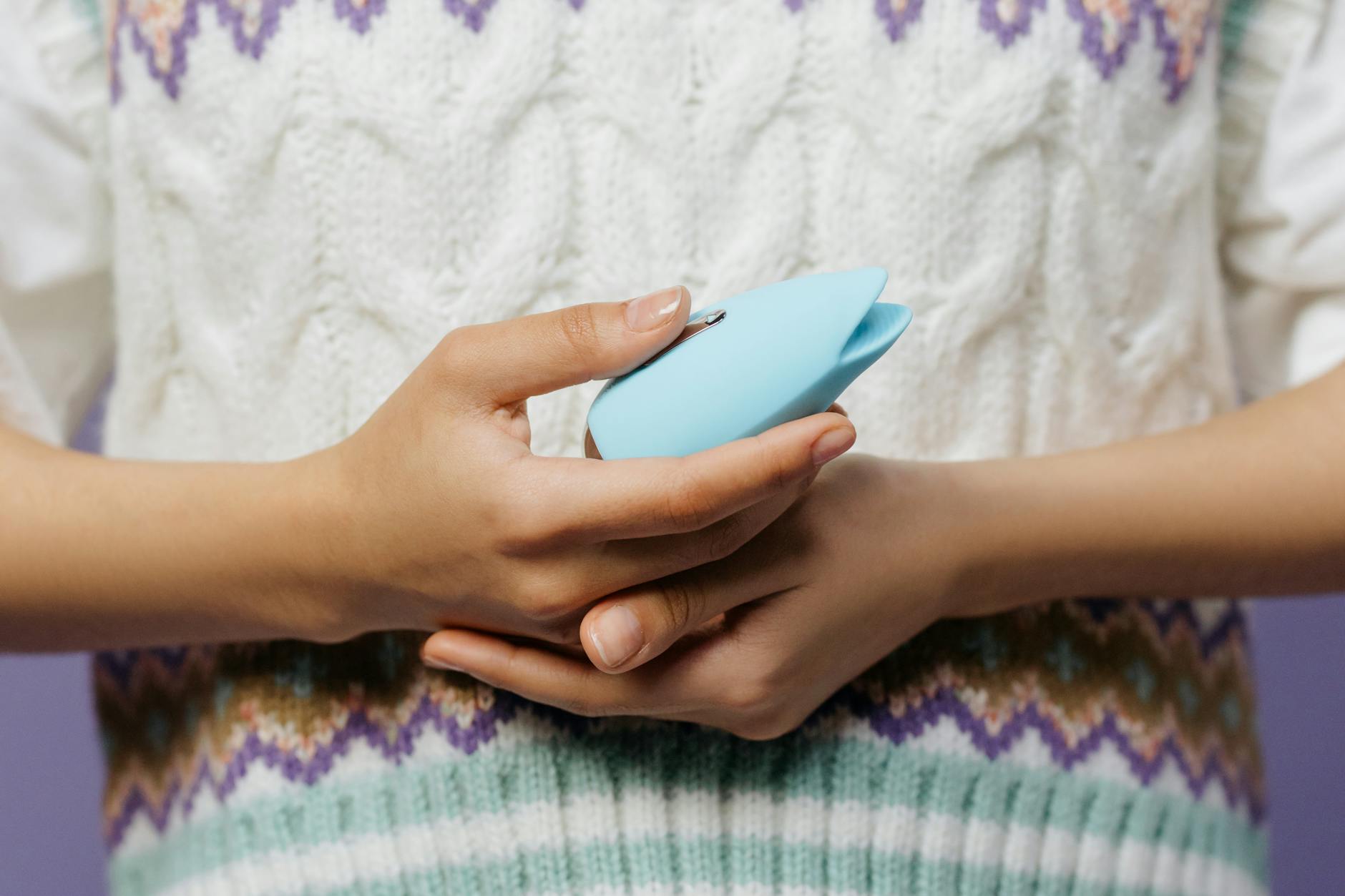
Here's what research and clinical experience tell us: introducing a lemon vibrator into partnered sex doesn't replace your partner. It expands what's possible. The Lemon Clitoral Vibrator works because it uses air-suction technology that stimulates in a way hands can't replicate. That's not a threat to your partnership. That's data. It's like introducing a new dish your partner loves to cook. They don't stop wanting your food. They just now have more options.
The nervousness often comes from a single belief: "If they need this, I must have been doing something wrong." Usually, that's not true. Your partner might just be curious. Or they might have discovered that their body responds differently at different life stages and wants to explore that. Neither of those things is commentary on you.
How to frame the first conversation
If your partner has already brought it up, that door is open. Don't wait for the perfect moment. Pick a neutral time, not in the middle of intimacy or during an argument about something else. Somewhere you can both talk without interruption.
Start with curiosity, not defensiveness. Try: "I've been thinking about what you mentioned. I'm interested. I want to know what you're imagining." Ask them why they're drawn to it. What appeals to them? What are they hoping will happen? What do they need from you?
Listen more than you talk. Most people have thought about this longer than they've talked about it. They've already run through the awkward scenarios in their head. They know it might feel strange at first. Hearing that they've thought it through, that it's not a random impulse, usually makes it easier.
Then share your side honestly. "I'm a little nervous. I want to make sure I understand what this is and that we're both comfortable." That's real. That's safe. That's not shutting the door.
The practical setup matters more than you think
When you're actually introducing a lemon clitoral vibrator into partnered play, context changes everything. Here's what helps:
Start with exploration, not performance
Your first time shouldn't be a main event. It should be something you both come to already warm and connected. Maybe you've been intimate for a bit. Maybe you're just lying together. The point is, introduce the vibrator when you're already in a good place emotionally, not as a Hail Mary pass to fix something.
Let your partner lead the pacing
They asked for this. They should drive what happens next. Ask them: "Do you want me to use it on you? Do you want to use it yourself while I'm here? Do you want to just hold it together first?" These are different experiences. Different levels of vulnerability. Let them choose.
If they want you to use it, that's actually a gift. It means they trust you with their body and their pleasure. Treat that seriously.
Prepare practically
Have water-based lubricant on hand. A lemon vibrator works best with a little slip. Have the vibrator charged and tested beforehand so you're not fumbling with instructions mid-moment. Have a towel nearby. Have tissues. These small things remove friction and embarrassment, which is 90 percent of what makes new things feel awkward.
Know the intensity settings. The Lemon starts low and builds. You don't want to shock your partner with max power on their first try. Start at pattern one or two. You can always go higher.
The moment itself
Let's say you're both ready. You've talked. You've set up. Now what.
If your partner wants you to use it: Ask before touching. "Can I try this on you?" It sounds simple, but it's the difference between collaborative and assumed. Position yourself so you can see their face and they can guide you. Maintain contact with your hand or body somewhere else. The vibrator isn't replacing you. You're in this together.
Start gentle. Most people tense up the first time something new touches them. Give them a second to adjust. Watch their breathing. If their breath gets shallower or faster, that's often a sign it feels good. If they go rigid, back off slightly and ask: "Is this okay?"
Don't assume one pattern is the winner. People's bodies change. What felt good yesterday might feel different today. Varying intensity and pattern keeps things interesting and teaches you both how their body responds in real time.
If your partner wants to explore solo
This is different. Your job is to be present, curious, and unguarded. Watch. Touch them elsewhere. Be there. Some people feel self-conscious using a vibrator in front of a partner for the first time. Make eye contact. Make it clear this is intimate, not voyeuristic.
Afterward, talk about it. "That was hot," is a solid opener. "I loved watching you," even better. Affirm that you found it attractive and natural. Because it is.
What to do if it feels weird
It might. That's fine.
The first time you introduce any new element, the brain is working overtime. You're monitoring the vibrator, reading your partner's face, managing your own sensations, and probably running a background anxiety check. That's a lot. Weirdness isn't failure. It's normal.
If something genuinely doesn't work, you get to stop. You both get to stop. This isn't a test you have to pass. It's exploration. If you want deeper guidance on rebuilding intimacy after moments feel off, revisiting conversation skills can help.
Give it two or three tries before you decide. The second time is usually easier because you know what to expect. The third time, it often starts to feel natural.
Making it part of your regular rhythm
Once you've used a lemon vibrator together and it lands well, the goal isn't to use it every time. It's to have it as an option. Some nights you'll both want it. Some nights you won't. That flexibility is healthy.
What changes is your baseline. You've proved to each other that introducing something new isn't threatening. That you can communicate about pleasure. That you're both willing to be curious. That's the real win. The vibrator is just the vehicle.
Most couples who bring in toys report that their sex life actually improves overall because the conversation itself opens something up. You're talking about desire, boundaries, fantasies. You're practicing vulnerability in a low-stakes way. That carries over into everything else.
One last thing: if your partner has low desire or if this conversation started because something feels off in your intimacy, the vibrator alone won't fix that. Sometimes the deeper work is about reconnecting emotionally. But as a tool within a healthy partnership, a lemon clitoral vibrator can help you both discover new things about pleasure together.
FAQ: The questions I hear most
Will using a vibrator make my partner dependent on it?
No. A vibrator is a tool, not a drug. Your partner's body won't stop responding to touch or get "addicted" to intensity. If anything, exploration often helps people understand their own pleasure better, which usually translates to more satisfying partnered sex because they can communicate what they want more clearly.
What if my partner orgasms with the vibrator but struggles without it?
That's data. It tells you something about how their body works at this moment in their life. Maybe they need more direct stimulation. Maybe they're dealing with stress or hormonal shifts. The solution isn't to hide the vibrator. It's to understand what's actually going on and address that together. A sex-positive GP or therapist can help if there's a real concern.
How long should we wait between the first conversation and actually trying it?
There's no rule. Some couples need two weeks to build up to it. Some do it the next day. The key is that you both feel ready, not that you've hit some arbitrary timeline. If one of you is dragging your feet, check in about why. Sometimes talking more resolves the hesitation. Sometimes you need more time. Both are okay.
Should we have a "safe word" or signal?
For a vibrator specifically, probably not necessary. But having a simple way to communicate that something's not working is smart. "Slower," "pause," "different angle." That's enough. The point is staying in dialogue, not entering some formal negotiation.
What if my partner seems interested but then backs out?
Ask them why. Don't push. Some people work up the courage to suggest something and then get nervous when it's actually happening. That's normal. Tell them you're not going anywhere and the door stays open. Revisit it in a few weeks if they want to. There's no deadline.
Is using a lemon vibrator during couples play different from using it solo?
Yes and no. The vibrator works the same way. The context changes everything. When a partner is involved, you're managing their pleasure, your own pleasure, and the dynamic between you. Solo play is pure self-focus. Neither is better. They're just different experiences, and knowing both helps you understand what works for your body.