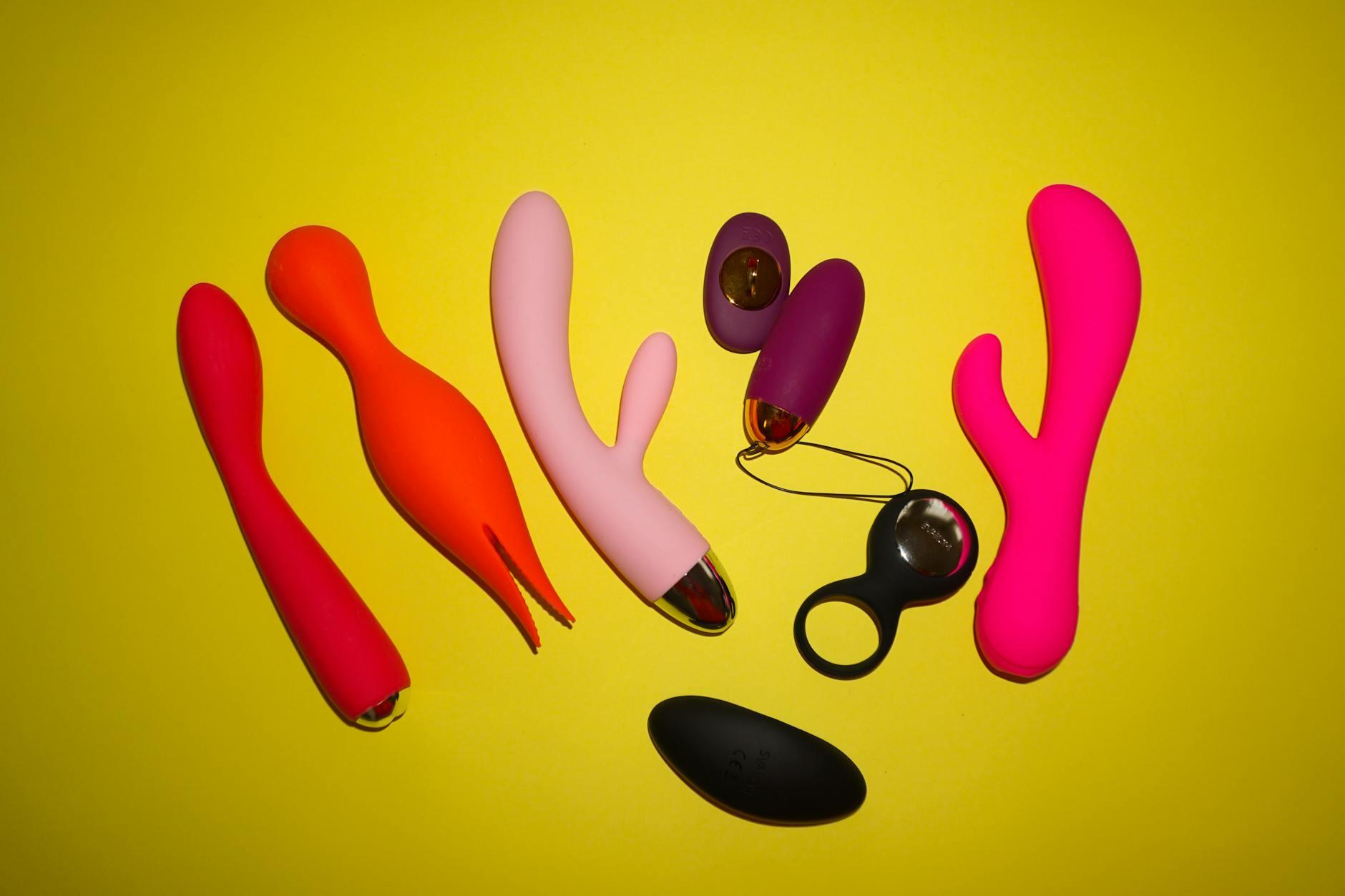
Let's talk about what depression actually does to sex
You're not broken. Depression doesn't kill your capacity for pleasure. It hijacks the pathways that signal pleasure to your brain. That's different, and it matters because it means the issue isn't your body or your lemon vibrator. It's neurochemistry that's fixable.
Here's what's happening: depression reduces dopamine and serotonin, the neurotransmitters that translate sensation into enjoyment. You can feel touch, but it doesn't register as good. Your genitals work fine. Your clitoral nerve endings are intact. The signal just isn't reaching the reward center of your brain the way it normally would.
How depression flatlines sensation specifically
Depression affects pleasure in three ways that matter when you're using a lemon clitoral vibrator.
First, arousal takes longer to build. Without adequate serotonin, the brain's threat detection system stays hyperactive. You're slower to shift from "alert" to "relaxed." A vibrator that used to feel amazing in five minutes now might need twenty. Some days, forty. This isn't laziness. It's biology.
Second, sensation intensity flattens. The lemon vibrator's suction patterns, which normally create distinct pleasure pulses, might feel like neutral vibration. You're not numb exactly. You can feel it happening. It just doesn't cascade into arousal the way it used to. The signal arrives but doesn't translate into desire.
Third, motivation disappears entirely. Even if you know a session with your lemon sexual toy would help, depression tells you it won't. The cost of getting yourself to the bedroom feels higher than any payoff. This is the anhedonia piece. Not "I'm sad so I don't want sex." More like "Nothing sounds good and this won't be good anyway."
All of this is temporary. It doesn't mean you've lost your pleasure capacity forever.
The baseline adjustment: starting smaller
When depression is active, your nervous system is dysregulated. Pushing intensity backfires. Here's what I recommend instead.
Start at pattern one on your lemon vibrator and stay there for a few sessions. Your job isn't to chase orgasm. It's to retrain your brain to recognize sensation as positive. This is called pleasure mapping, and it's slower than you're used to, but it's the most reliable way to reconnect.
Set a timer for ten minutes. Not "until something happens." Ten minutes, then stop. This removes the performance pressure that depression loves to amplify. You're not trying to come. You're practicing noticing sensation.
Many people find that external stimulation only is most effective during depressive episodes. Skip internal play. Focus the lemon clitoral vibrator on the external clitoral area and notice three things: the texture of sensation, the rhythm, and any shift in your breathing. That's the whole practice.
The psychological piece nobody talks about
Depression tells you that pleasure is broken. Using a vibrator while depressed can feel like proof of that. Your lemon adult toy doesn't feel the way it used to, so you assume it won't again. Then you stop trying. Then the pathways atrophy further.
The shift is reframing this: you're not testing whether pleasure still works. You're rebuilding it deliberately. Each session with your lemon vibrator is a small vote for your nervous system that "sensation plus pleasure" is possible again.
That requires gentleness with yourself that depression actively fights. You'll need to notice when you're being critical ("I should be able to feel this more" or "This used to be easy") and redirect. Replace it with neutral observation: "Right now, at this dose of depression, my sensation is muted. That's expected. I'm here anyway."
If you have a partner, tell them this plainly: I'm rebuilding pleasure. That means sessions might look different. They might be shorter. I might not come. That's okay. I'm learning my body again. This isn't about you or about us. This is about my nervous system recalibrating.
When medications complicate the picture
Many antidepressants trade one problem for another. SSRIs help mood but often dull orgasm or make it harder to reach. Some people find that the lemon clitoral vibrator helps because suction stimulation creates a different sensation pathway than traditional vibration. It can bypass the dulled response.
If your antidepressant is causing sexual side effects, talk to your psychiatrist. Options include dose adjustment, timing shifts (take it after sex instead of before), switching medications, or adding an augmenting agent. Don't assume you have to choose between mental health and pleasure. Often you don't.
Some people add a low dose of bupropion (Wellbutrin) specifically because it doesn't typically dull sensation the way SSRIs do. Others find that tricyclic antidepressants work better for their bodies. There's no one answer, but the conversation is worth having.
Rebuilding tempo: the two-week reset
Here's a concrete protocol that works for many people I've worked with.
Weeks one and two: ten-minute sessions, pattern one only, external stimulation only, three times per week. No goal except noticing sensation. Keep a one-sentence note after each session: "Felt distant today" or "Slight warmth in lower belly" or "Felt nothing but stayed anyway."
Weeks three and four: ten to fifteen minute sessions, patterns one through three, same external focus. You're slowly introducing the idea that higher intensity might feel different now.
Weeks five and six: fifteen to twenty minute sessions, patterns one through five, permission to build toward orgasm but zero pressure if it doesn't happen. Track it loosely.
This isn't a guarantee. Depression moves at its own pace. But the research on neuroplasticity shows that consistent, gentle sensation practice rewires the reward pathway faster than avoidance does.
The role of context and environment
Depression + a sex toy + a distracting environment equals zero progress. Your nervous system is already working overtime. Remove variables.
Use your lemon vibrator in a space you find genuinely calming. Not just "okay," but actually relaxing. For some people that's the bedroom. For others it's a bath, a darkened living room, or honestly just a locked bathroom. Soft light. Temperature that feels good. No phones, no background noise that jars.
Timing matters too. Morning sessions feel different from evening. Some people find that using a lemon sexual toy right after meditation or gentle movement helps their nervous system be more receptive. Others need it right after a small accomplishment, when dopamine is higher.
Experiment for two weeks and notice what conditions feel least resistive. Then protect those conditions fiercely.
When to pause and seek support
If depression has you in a place where even the thought of self-pleasure feels impossible, that's the time to focus on therapy or medication adjustment first. The vibrator isn't the intervention. It's the last step after your mood has stabilized enough that you can feel some forward motion.
If you're having persistent sexual dysfunction that predates depression or doesn't improve as mood improves, mention it to a doctor or sex therapist. Sometimes depression is the cause. Sometimes depression is comorbid with something else.
If shame is running the show ("I shouldn't need this," "Good partners don't need tools," "This is pathetic"), work with a therapist on that first. Using a lemon clitoral vibrator while holding deep shame about it creates more dysregulation, not less.
A note on hope
Depression is not permanent. Your pleasure is not gone. The lemon vibrator sitting in your drawer isn't broken. You're temporarily operating with lower neurotransmitters and a dysregulated nervous system. Both of those respond to treatment, time, and consistent gentle practice.
Many people report that the first glimmer of pleasure returning comes during a solo session with their vibrator while they're still technically in a depressive episode. Not a full orgasm. Just a moment where sensation registered as good instead of neutral. That moment is real. It's not nothing. It's the nervous system saying "I'm ready to come back online." Trust it.