Your cycle is messing with your pleasure settings. That's not a flaw.
Honestly, here's the thing nobody tells you: the sensitivity of your clitoris shifts throughout your menstrual cycle just as much as your mood does. You can use the exact same lemon vibrator at the exact same setting on day 5 of your cycle and day 20, and the experience will feel wildly different. One day that pattern feels perfect. Three days later, it's too much or not enough. You're not broken. Your hormones are just doing what they're supposed to do.
I've worked with hundreds of people who blamed themselves, their partners, or their toys for inconsistent pleasure. Turns out the culprit was just basic biology. Once you understand how estrogen and progesterone shape your sensation, you can actually dial in your lemon vibrator to work with your body instead of fighting it.
How hormones change what feels good
Your menstrual cycle runs about 28 days (yours might be 21 to 35 and still be totally normal). Across those days, estrogen and progesterone fluctuate in specific patterns. Those shifts affect blood flow, tissue thickness, and how sensitive your nerve endings are.
Phase 1 (menstruation, days 1-5): Estrogen is low, progesterone is dropping. Your clitoris might feel less sensitive or more tender, depending on your body. Blood flow is reduced. Many people need less intense stimulation during this phase, or they skip pleasure entirely. Both are fine.
Phase 2 (follicular, days 6-13): Estrogen starts climbing. Blood flow to your genitals increases. Your clitoris becomes more sensitive, more responsive. This is often when people report the easiest path to orgasm. Your lemon vibrator's highest settings might feel amazing right now.
Phase 3 (ovulation, days 14-15): Estrogen peaks, then drops sharply. Progesterone starts rising. This is a transition window. You might feel extra sensitive, or you might feel a dip in desire. Sensation can be unpredictable for 24-48 hours.
Phase 4 (luteal, days 16-28): Progesterone is high, estrogen is lower. Tissue swells slightly. Some people feel more intense sensation, others feel less. You might want stronger pressure, or you might need a gentler approach. This phase is wildly individual.
The settings you actually need at each phase
Most lemon vibrators, including the Lem, have multiple patterns and intensity levels. Here's how to use them across your cycle.
During menstruation (phase 1): Start at intensity level 1 or 2. Your tissues are more sensitive to pressure right now, even though overall sensation is muted. A lower-intensity suction pattern can feel soothing without overwhelming. If you're cramping, gentle stimulation can actually help with blood flow and pain relief. If you're not in the mood, that's equally valid. No pressure.
During the follicular phase (phase 2): This is when you can experiment with higher intensities. Levels 3 and 4 often feel incredible during this window because your clitoris is naturally more responsive. Your body is also naturally more lubricated. This is a good phase to try a new pattern or spend longer exploring.
During ovulation (phase 3): Watch for sensitivity spikes. You might need to dial back intensity for 24-48 hours, then ramp back up. Some people feel hypersensitive during ovulation and need gentler settings. Others feel extra pleasure-seeking and want more intensity. Track how you actually feel, not what you think you should feel.
During the luteal phase (phase 4): This is variable. Early luteal (days 16-21), many people want medium to high intensity. Late luteal (days 22-28), when progesterone is highest, you might need to pull back slightly. If PMS anxiety or irritability shows up, you might not be in the mood at all. Your lemon clitoral vibrator doesn't have to be used daily. Rest is pleasure too.
Tracking what actually works for you
None of this matters if you're not paying attention to your own body. The generic cycle pattern I described above applies to a lot of people, but not everyone. Your hormone levels, tissue sensitivity, and desire all fall on a spectrum.
For one week, note the day of your cycle and the intensity level you used on your lemon vibrator. Note how it felt. "Pattern 2 at level 3 felt amazing" or "Too intense today, backed down to level 1." That's it. No journaling required. Just observation.
After one or two cycles, you'll see your own pattern. Some people find they need to adjust every 3-4 days. Others find their preference is stable for a whole phase. There's no right answer. Your body is the data source.
Why your partner's touch might feel different too
If you have a partner, these hormonal shifts affect partnered pleasure too. Your body's responsiveness to their hands, mouth, or whatever else they're doing changes across your cycle, just like it changes with your lemon vibrator. This isn't you being inconsistent or them doing something wrong. It's biology.
The conversation to have with a partner is simple: "My body feels different at different times in my cycle. Let's figure out together what works." You're not asking them to fix something. You're inviting them into the information you're gathering about yourself.
What happens if your cycle is irregular
If you have PCOS, endometriosis, or just a naturally unpredictable cycle, this gets trickier. You don't have predictable phases to plan around. My suggestion: use the same tracking method, but don't expect a 28-day pattern. After a few months, you might spot your own rhythm, even if it's not textbook.
If you're on birth control that stops your period, your hormones are artificially stable. Most people find they prefer a consistent setting on their lemon sucker because sensation doesn't shift dramatically. Bonus: you can keep using your favorite setting without constantly adjusting.
If you're in perimenopause or have already transitioned through menopause, hormonal fluctuations are different. Check out our guide on why lemon vibrators feel different with age-related tissue changes for how to navigate that shift.
The mental side of cycle awareness
Understanding that your pleasure changes with your cycle also means giving yourself permission to want different things at different times. During your follicular phase, you might want to spend 30 minutes exploring. During your luteal phase, a 5-minute release might feel like enough. During menstruation, you might skip pleasure entirely. All of that is normal.
The mindset shift is moving from "Why doesn't my body feel the same every day?" to "Of course my body feels different. I'm a person with a cycle." Once you make that switch, your lemon clitoral vibrator stops being something you're struggling with and becomes a tool you're actually collaborating with.
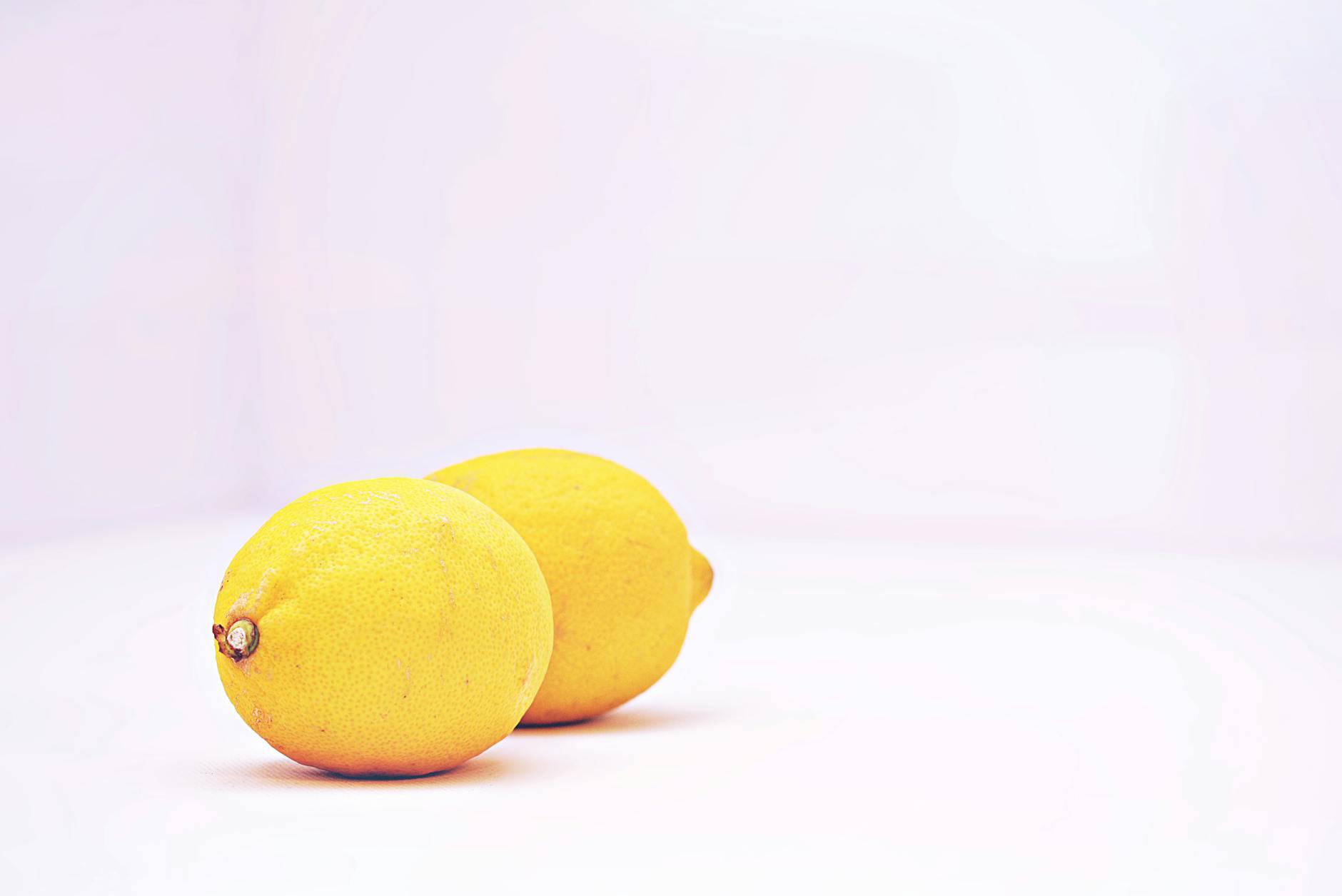
Photo by Diana ✨ on Pexels
When sensitivity shifts become a problem
There's a difference between normal cycle-based sensitivity changes and something that needs attention. If you're experiencing severe pain during pleasure at any point in your cycle, or if your sensitivity is so extreme that even your lowest-intensity setting is uncomfortable, that's worth talking to a doctor about.
Endometriosis, pelvic floor dysfunction, or hormonal imbalances can all show up as unusual sensitivity patterns. A gynecologist or pelvic floor physical therapist can help you figure out whether what you're experiencing is standard hormonal fluctuation or something that needs treatment.
Frequency matters less than consistency
Once you've figured out what your lemon vibrator settings feel best at different points in your cycle, you don't have to use it every day. Some people love daily touch. Others prefer a few times a week. Some cycle through periods of high interest and low interest. There's no minimum requirement for pleasure.
The valuable thing is understanding what your body can feel and respond to. That knowledge carries into partnered sex, solo exploration, and even just how you move through your body with awareness. Your hormones aren't a bug. They're part of how you work.
Frequently asked questions
Does everyone's sensitivity change across their cycle?
Most people experience some shift in sensation or desire related to their cycle, but the pattern and intensity vary wildly. Some people have dramatic shifts. Others notice almost nothing. Where you fall on that spectrum is normal. What matters is paying attention to your own body instead of comparing yourself to someone else's cycle experience.
Can I use the same lemon vibrator settings throughout my cycle?
You absolutely can. If you find a setting that works across all your cycle phases, stick with it. Some people prefer medium intensity consistently. Others like having the flexibility to adjust. There's no rule. Use whatever approach feels easiest and most pleasurable to you.
Does hormonal birth control stop cycle-related sensitivity changes?
Most hormonal birth control methods (the pill, patch, ring, shot) create artificially stable hormone levels, which means you don't get the natural peaks and dips of a regular cycle. Most people on these methods report consistent sensitivity and desire throughout the month. If you're on the pill and taking a hormone-free week, you might still notice slight shifts during that break week.
What if my cycle-related sensitivity changes are making me anxious?
That's really common, especially if you're used to expecting your body to feel the same way every day. The anxiety usually settles once you realize the changes are predictable and normal. Tracking your cycle for a few months helps build confidence that nothing is wrong. If anxiety persists or interferes with your pleasure, a therapist who specializes in sexual health can help you separate the biological shifts from the emotional load.
Should I tell my partner about my cycle-based sensitivity changes?
If you have a partner and your pleasure changes noticeably across your cycle, yeah, sharing that information helps. It doesn't have to be a big conversation. Something like, "My body feels more or less sensitive at different points in my cycle, so what feels good changes sometimes" covers it. This prevents them from taking it personally if you want different touch at different times.
How long does it take to figure out my personal cycle pattern?
Usually one to two full cycles of tracking. By the second or third month of noting what feels good when, most people see a clear pattern. If your cycle is irregular or you're on birth control that stops your period, it might take a bit longer to collect enough data. Don't stress about being precise. Rough tracking is plenty.
Your body is not a problem to solve
The cycles of your hormones, the shifts in what feels good, the desire that comes and goes. These aren't glitches. They're how your body communicates with you. Your lemon vibrator, whether it's the Lem or another clitoral vibrator, is just a tool for listening to that communication and enjoying what you find.
Once you stop fighting the fluctuation and start working with it, pleasure becomes easier. Not because anything changes about your body. Just because you've stopped expecting it to be something it isn't.
Ready to explore what works for you?
If you're new to using a lemon vibrator or curious about how to choose the right one for your sensitivity, start with our buying guide. Or reach out if you have questions about your specific situation. Contact us here.
Sources
Allen, R. (2018). "Hormonal factors and sexuality in women across the menstrual cycle." Current Sexual Health Reports, 10(3), 67-75.
Meston, C. M., & Frohlich, P. F. (2000). "The neurobiology of sexual function." Archives of General Psychiatry, 57(11), 1012-1030.
Gannon, L. (1999). "Women and aging: Transcending the myths." Routledge.
Trend, S., & Thornton, A. (2022). "Cycle syncing and sexual pleasure: Evidence and myths." Journal of Sex & Marital Therapy, 48(4), 332-345.