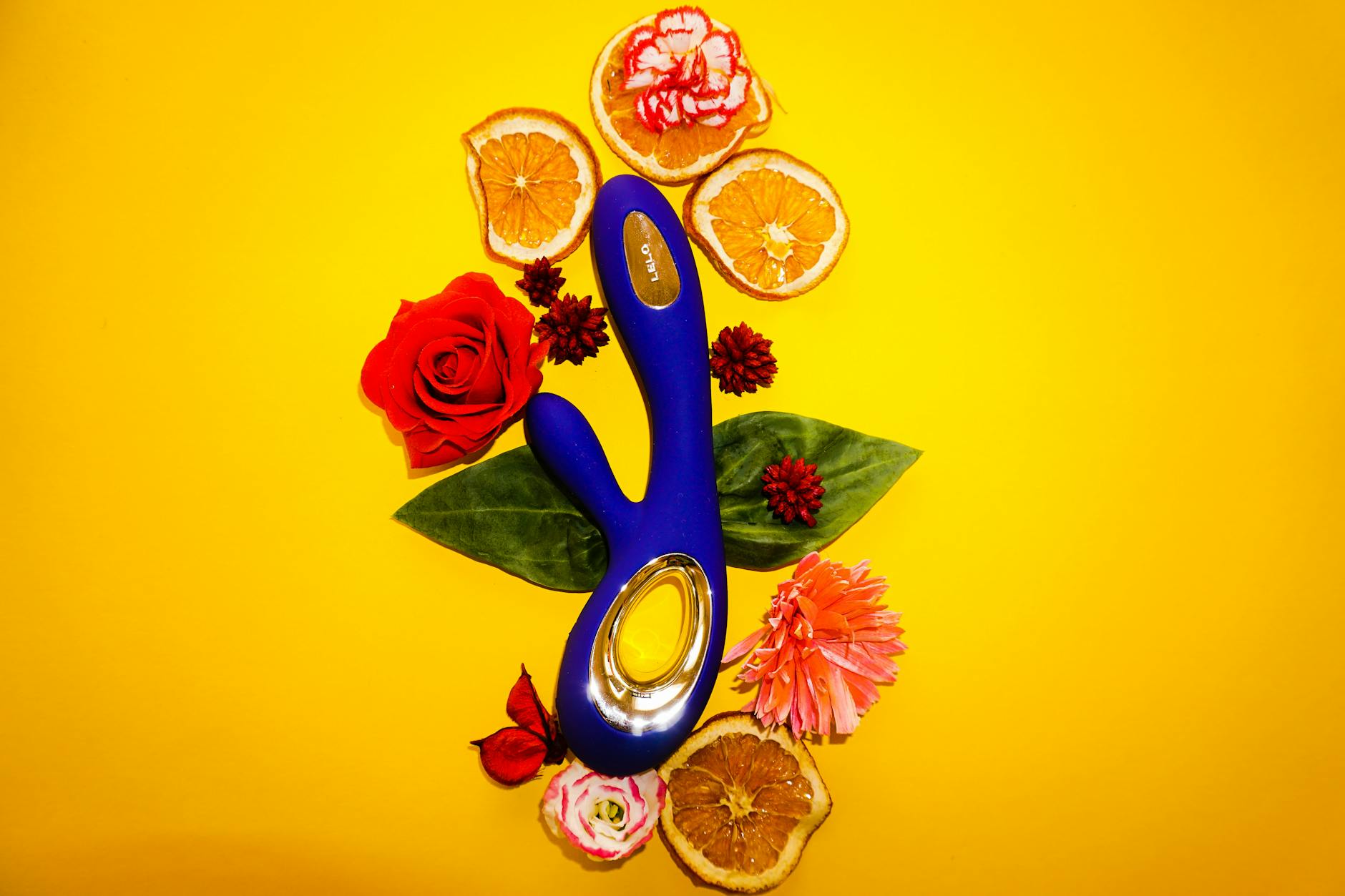
Here's what no one tells you about pleasure and nerve damage
Numbness doesn't mean you can't feel. It means you feel differently. That's a crucial distinction because most people assume nerve damage or neuropathy shuts down pleasure entirely. It doesn't. But it does require a total reframe of what stimulation should feel like and what your body can actually do.
I've worked with plenty of clients navigating this transition. The common story is some variation of: "I got diagnosis X, and suddenly the things that worked before feel like nothing." Then they panic that pleasure is gone forever. It isn't. But the tools and approach need to shift.
What nerve damage actually does to sensation
Nerve damage, whether from diabetes, chemotherapy, spinal cord issues, or idiopathic neuropathy, interferes with the transmission of sensory signals. That sounds abstract. Here's what it means practically: the nerve endings in your clitoris and vulva are still there, but the message they're trying to send to your brain gets lost, delayed, or scrambled.
Some people experience complete numbness in a patch. Others feel a weird tingling, or hypersensitivity paired with dullness in the same area. Some describe it as touch feeling muffled, like pressing your finger through a thick glove.
The key insight: your brain's pleasure pathways are unchanged. The clitoral nerve is not the only way sensation reaches your brain. You have multiple nerve routes, and stimulation that bypasses the damaged pathway often works brilliantly.
Why standard vibrators often feel like nothing
Most traditional vibrators rely on direct vibration against tissue to build sensation. They're designed for normal nerve function. If your nerves aren't firing properly, that signal just doesn't get through.
This is where suction-style stimulation changes everything. A lemon clitoral vibrator or similar suction device works differently. Instead of vibrating against the tissue, it creates a gentle pulling sensation that engages deeper nerve structures and tissues. The suction stimulates a broader area of nerve endings and pulls sensation from deeper within, often bypassing the most affected surface nerves.
For people with neuropathy, this difference is not small. Many of my clients report that suction stimulation feels stronger, clearer, and more reliably pleasurable than traditional vibration ever did.
How to actually use a lemon vibrator with numbness
Start with realistic expectations. You're not chasing the exact sensation you had before. You're exploring what your body can feel right now.
Begin at the lowest setting. Not because your clitoris is fragile, but because your nerves might be misinterpreting pressure. A gentle suction at pattern 1 or 2 on a device like the Lem allows you to feel the actual sensation without your nervous system getting confused by intensity.
Spend time on warm-up. Numbness responds poorly to cold or tense tissue. Heat increases blood flow to the area and can temporarily improve nerve signaling. A warm bath beforehand, or even just 15 minutes of slow breathing and pelvic floor relaxation, makes a real difference. Let your body warm up naturally before you introduce any stimulation.
Map your sensation zones. Your clitoris is not uniform. One side might have better nerve function than the other. Take five minutes to explore where you can feel the most. Use your fingers first. Then apply the lemon vibrator to those zones at low intensity. You're teaching your brain to recognize sensation again.
Extend your warm-up time dramatically. Without intact nerve feedback, arousal takes longer to build. Budget 20-30 minutes minimum. Your nervous system needs time to ramp up and compensate for the missing signals. Rushing this doesn't work.
Use lubrication generously. Not because numbness means dryness, but because smooth, slippery tissue reduces friction and allows the suction to work more effectively. Water-based lube is your friend here.
The mental part, which is actually the bigger part
Here's the thing I need to tell you directly: numbness often arrives with a grief story attached. "This is proof my body is broken." "I'll never feel pleasure like I used to." "My partner will get frustrated that I can't orgasm."
All of that is understandable. None of it is true.
Nerve damage is a real medical event. Pleasure is not gone. It's relocated. Your job is not to recreate what you had, but to discover what you have now.
I worked with a client with diabetic neuropathy who spent six months convinced she couldn't come. Once she stopped measuring her pleasure against her pre-diagnosis baseline and started exploring what actually felt good in the present, she found that suction stimulation combined with internal pressure created sensations stronger than anything she'd experienced before. She had to let go of the old script first.
That letting go is not about acceptance or positivity. It's about accuracy. Your nervous system has changed. The stimulation that works has changed with it. That's not failure. That's adaptation.
When to bring a partner into this
If you have a partner, the conversation is important but tricky. The goal is not to explain why your body doesn't work anymore. The goal is to explore what actually feels good now.
Many partners of people with nerve damage worry they're causing pain or not delivering enough stimulation. Being explicit about what you're feeling (or not feeling) and what's actually working helps everyone relax.
Using a device like a lemon vibrator or other clitoral vibrator actually takes some pressure off partners because it removes the expectation that they alone can create pleasure. The device does part of the work. They do another part. Your own nervous system does the rest. That's a team approach, not a solo performance.
What else helps alongside suction stimulation
Three additional tools I recommend to almost every client managing neuropathy and pleasure:
Pelvic floor awareness. Numbness often makes people tense their pelvic floor unconsciously because sensation is unreliable and feels unsafe. Learning to relax the pelvic floor fully increases overall sensation in the area. Kegel exercises can help, but learning to release is equally important. Some people benefit from pelvic floor physical therapy.
Temperature play. A warm compress applied to your lower abdomen or perineum before stimulation increases blood flow. Some people find that ice or cool sensation afterward helps reset nerve firing. Experiment. Your body will tell you what helps.
Penetration combined with external stimulation. If your vaginal nerves are less affected than your clitoral nerves, combining suction stimulation with internal pressure or gentle penetration often produces stronger overall sensation than either alone.
When nerve damage makes orgasm harder or different
Orgasms might take longer. They might feel different, like a smaller wave rather than a full-body release. They might be delayed or happen in unexpected ways. Some people with significant neuropathy never return to orgasm the way they had it before. Others do, just on a different timeline and with different triggers.
If you're not having orgasms after trying for weeks, it's worth checking in with your neurologist or a sexual medicine specialist. Sometimes medication adjustments help. Sometimes additional treatments like low-intensity shockwave therapy or specific nerve-targeting therapies improve sensation.
But pleasure doesn't require orgasm. A 20-minute session of gentle suction stimulation that leaves you relaxed and connected to your body is still pleasure, even if it doesn't end in climax.
FAQ: Numbness, neuropathy, and your lemon vibrator
Can you orgasm with neuropathy or nerve damage?
Yes, but often differently than before. Orgasm depends on nerve function, so significant nerve damage can delay or change the orgasmic response. Some people regain their previous pattern with time, tools like a lemon clitoral vibrator, and practice. Others develop new patterns. Some take longer to orgasm or experience it as a gentler sensation. All of these are normal. Working with a sex therapist or sexual medicine specialist helps if you're stuck.
Does suction stimulation feel stronger with numbness than regular vibration?
For many people, yes. Suction engages deeper tissue and broader nerve structures, which can bypass surface numbness. That said, everyone's nerve damage is slightly different. If suction doesn't work for you, other options include wand vibrators, internal vibration, or combinations of tools. Experiment with low intensity and patience.
How long does it take for sensation to return after nerve damage?
It depends on the cause of the damage. Chemotherapy-related neuropathy can take months to years to improve, sometimes incompletely. Diabetes-related neuropathy often plateaus at some level of numbness. Spinal cord issues vary widely. The honest answer: don't wait for sensation to fully return before you start exploring pleasure again. Adaptation happens faster than regeneration.
Is it normal to feel nothing with a vibrator and then suddenly feel something?
Completely normal. Nerves are weird. Sensation can be inconsistent depending on your stress level, blood sugar, sleep, tension, and just random daily variation. This is actually a sign to keep exploring. Inconsistency suggests your nerves are still trying to fire. Give them multiple gentle attempts with proper warm-up and patience.
Should you use a lemon vibrator or traditional vibrator with neuropathy?
There's no universal answer. Suction-style devices like the Lem work brilliantly for many people with nerve damage because they engage sensation differently. But some people respond better to wand vibrators, internal stimulation, or combinations. Start with suction. If that doesn't work after 3-4 attempts with proper setup, try something else. Your nervous system will let you know what actually works.
Can you rebuild sensation over time with consistent stimulation?
Partially, and inconsistently. Repeated gentle stimulation can help your brain recognize and process sensation more effectively. Some nerve regeneration does happen over months and years, depending on the cause. But the goal shouldn't be to rebuild exactly what you had. It should be to discover what you have now and work with that. That shift in mindset actually tends to improve outcomes faster.
The real thing about pleasure after nerve damage
Your body is not broken. It's different. That's not poetry or therapy-speak. That's accuracy. Nerve damage changes how signals travel, but it doesn't erase your capacity for pleasure or connection.
Using a tool like a lemon vibrator, giving yourself time, being honest about what actually feels good instead of what should feel good, and letting go of the pre-damage baseline—those are the real moves. Your pleasure isn't behind you. It's just taking a different route to get there.
If you're struggling to find what works, reach out. We're here to help you figure it out.