Here's what nobody tells you about getting older
Your clitoris doesn't disappear. It doesn't lose function. But the nerve density and blood flow that fuel arousal do shift over time, which means traditional vibration sometimes feels like background noise instead of a spark. That's not a flaw in you. It's biology doing its job, and it's fixable.
I've worked with hundreds of people navigating this exact frustration. The pattern is always the same: they loved their vibrator at forty, but by fifty-five or sixty, the same settings that used to work feel underwhelming. The reflex is to blame themselves. They rarely blame the tool. The tool actually needs to change.
That's where lemon vibrators make the biggest difference for reduced sensitivity.
Why clitoral sensitivity changes as you age
Three things happen to your clitoris over decades:
First, the skin gets thinner and less vascularized. Less blood flow means less engorgement during arousal, which means less nerve activation. Second, collagen breaks down in the clitoral hood and surrounding tissue, changing how sensation distributes. Third, hormonal shifts (whether from natural aging, perimenopause, or menopause) reduce the elasticity and plumpness of tissue, which changes how vibration travels through the clitoral complex.
The nerves themselves don't go anywhere. The pudendal nerve, which carries sensation from the clitoris to the brain, stays intact. What changes is the efficiency of that signal. It takes more stimulation to wake up the same neural pathways.
Here's the thing: this doesn't mean your body is broken. It means you need a different type of stimulation.
Why air-suction lemon vibrators work better for aging sensitivity
Traditional vibrators work by oscillating against your skin. They rely on friction and speed. The faster they go, the more sensation you feel. When clitoral sensitivity has declined, you're often pushing the vibrator to maximum intensity, which can get uncomfortable fast and still feel like you're chasing something just out of reach.
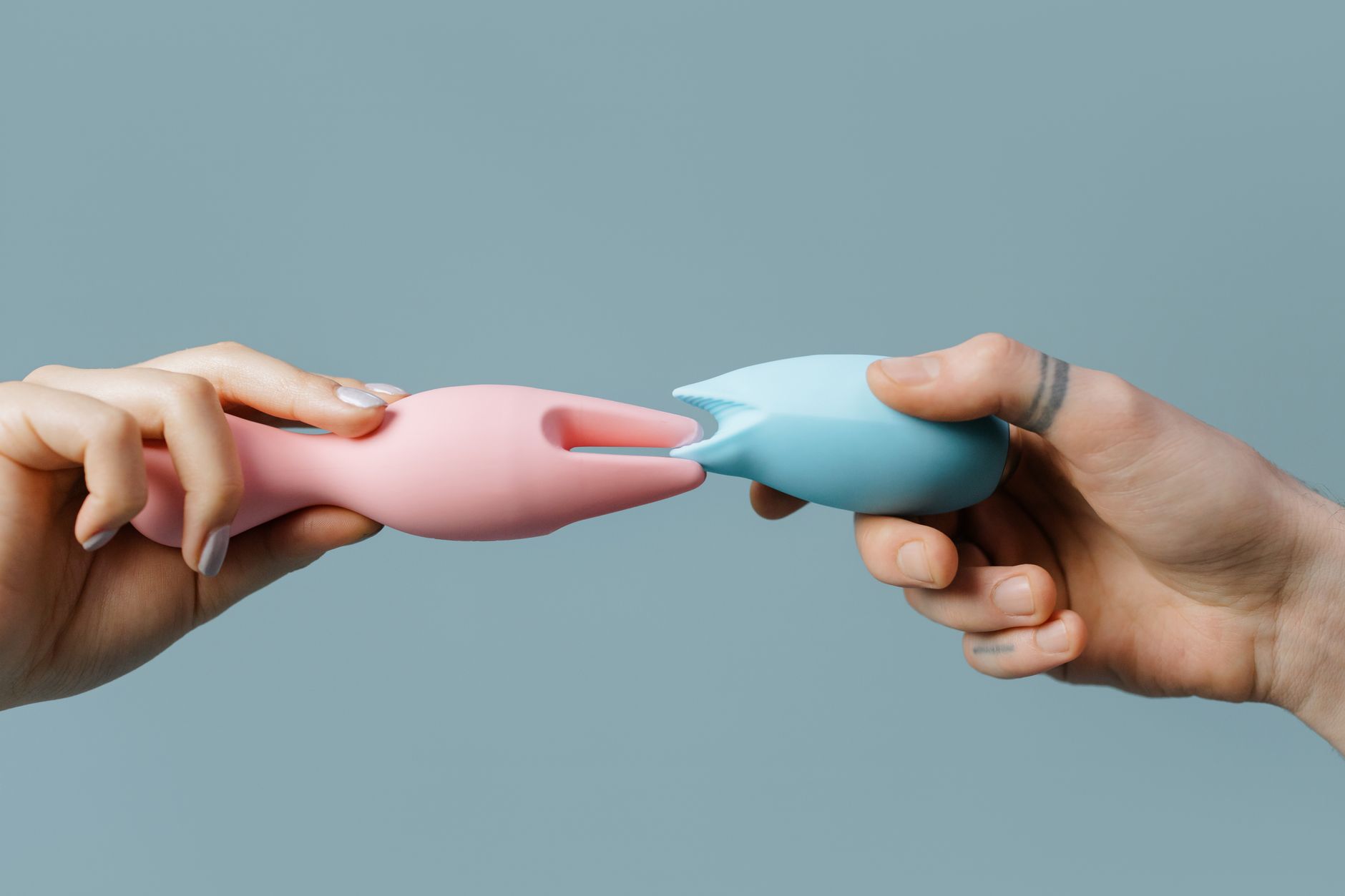
Lemon vibrators use a completely different mechanism. They use gentle suction and pulsing air patterns instead of pure vibration. This matters because suction stimulates the entire clitoral structure, not just the surface. It pulls blood into the tissue, engages deeper nerve pathways, and creates sensation without relying on high-speed friction.
For aging clitorises, this is the difference between trying to hear a whisper by turning up the volume versus putting a hearing aid in your ear. One approach is exhausting. The other actually works.
The lemon clitoral vibrator design specifically concentrates the suction at the opening, which means the stimulation is precise and powerful without being sharp. You get depth of sensation instead of surface-level buzz.
Start with the lowest settings and work backward
Here's where most people get it wrong. They think "reduced sensitivity means I need maximum power," so they jump straight to level five or six on their lemon vibrator. Then they get overwhelmed and conclude it's not for them.
I recommend the opposite. Start at level one.
With a suction-based toy like a lemon vibrator, the stimulation builds differently than with traditional vibration. Level one creates a gentle, rhythmic pull. You might not think you feel much at first. Wait thirty seconds. The sensation intensifies as blood engages the tissue. After another thirty seconds, you'll feel a warming, deepening pleasure that builds steadily.
This is not your vibrator being too weak. This is it actually working.
Spend five to ten minutes at level one. Notice what you feel. Then move to level two. You're looking for the point where sensation feels present but not sharp. For most people with reduced sensitivity, levels two through four are the sweet spot.
Levels five and six exist for specific moments or when you've been building pleasure for a while and want to push into orgasm. But starting there is like turning a volume dial to ten before you've even plugged in the speaker.
Build arousal time into your routine
When clitoral sensitivity has declined, rushed sex doesn't work anymore. I tell people to budget double the warm-up time they used to need.
If you used to come in fifteen minutes, plan for thirty to forty now. If you used to need five minutes of foreplay, plan for fifteen. This isn't failure. It's actually working with your body instead of against it.
While your partner touches you (or while you touch yourself), let your clitoris fill with blood. This is where the magic happens. The tissue becomes more responsive. The nerve pathways wake up. By the time you introduce the lemon vibrator, you're not starting from zero. You're starting from a place of readiness.
Then when you use the lemon vibrator, the suction works with tissue that's already engorged and primed. The sensation feels exponentially richer than if you'd jumped straight to the toy.
Experiment with pattern and rhythm
Most lemon vibrators have multiple pulse patterns beyond just steady vibration. These patterns matter more with aging sensitivity than they do with younger bodies.
Steady pulsing (where the suction rhythm stays constant) works well for building pleasure slowly. But the patterns that alternate intensity (pulse, pause, pulse-pulse, pause) often create more sensation because they give your nervous system something to anticipate. That anticipation creates engagement.
Try a pattern for two to three minutes before switching. Don't keep hunting. Let your body adapt to the rhythm. Most people find their favorite pattern is one they didn't expect to like, so experiment without judgment.
Use lube and explore positioning
Water-based lubricant doesn't just reduce friction. It creates a better seal for suction-based toys and helps the lemon vibrator work more efficiently. Apply a small amount around the opening and to the toy itself.
Positioning changes everything too. Many people assume they need to lie back and stay still. Honestly? Move around. Rock your hips. Change the angle slightly. The lemon vibrator works better when you're actively engaged with it rather than passively receiving stimulation.
Trying different positions also helps you find the angle where the suction feels most intense and pleasurable. For some people that's lying flat. For others it's seated or kneeling. Experiment without the pressure of orgasm as the goal.
When to consider combining with internal stimulation
When external clitoral sensitivity is reduced, adding internal stimulation (with fingers, a partner, or a second toy) can amplify sensation dramatically. The clitoris extends internally quite far, so combined stimulation wakes up neural pathways that external-only stimulation can miss.
You don't need anything fancy. A partner's finger inside you while you use your lemon vibrator externally often creates sensation that's richer than either alone. If you're exploring solo, a simple internal toy works. The goal is depth of sensation, not complexity.
This isn't for everyone, but if you've been disappointed by solo lemon vibrator use, adding an internal element often changes everything.
Know the difference between normal shift and dysfunction
Reduced sensation as you age is completely normal. It's not something to fix. It's something to work with, which is exactly what a lemon vibrator lets you do.
That said, if sensation dropped suddenly (over weeks, not years), or if you're experiencing pain, numbness, or loss of sensation in other parts of your body, that's worth discussing with a doctor. Sudden nerve changes can signal vitamin deficiencies, medication side effects, or other things worth investigating.
But gradual reduction in clitoral sensitivity over decades? That's just your body aging. It doesn't diminish your capacity for pleasure. It just means your pleasure needs different tools.
The bigger truth
Lemon vibrators exist partly because manufacturers finally recognized that one-size-fits-all vibration doesn't work for everyone. Suction toys work because they're based on how bodies actually respond, not on what's easiest to manufacture.
If you've tried traditional vibrators and felt disappointed by your own body's response, a lemon clitoral vibrator often feels like permission. Permission to still want pleasure. Permission to ask your body for what it needs now, not what it needed twenty years ago.
FAQ: Lemon Vibrators and Reduced Clitoral Sensitivity
Does a lemon vibrator work if I have almost no sensation down there?
Yes, often better than anything else. Because suction works through air pressure rather than friction, it activates different nerve pathways. Many people with very reduced sensitivity report their first meaningful sensation in years using a lemon vibrator. If traditional vibrators have felt like nothing, this is worth trying.
How long does it take to feel results with a lemon vibrator?
First session, you might feel something you didn't expect. Real pleasure building usually takes three to five uses as your body learns to receive the sensation. That said, some people feel dramatic difference immediately. There's no "normal" timeline. Your nervous system will respond when it's ready.
Can I use a lemon vibrator if I'm on hormone therapy or menopause medication?
Absolutely. Some medications that treat menopause symptoms actually improve clitoral sensitivity over time. A lemon vibrator works well whether you're on HRT, not on it, or considering it. If you're on antidepressants or other medications that affect sensation, a lemon vibrator's suction mechanism often works better than traditional vibration because it doesn't rely on sensitivity that might be pharmacologically dampened.
Should I use the highest setting to compensate for reduced sensitivity?
No. Start low and let the sensation build. Highest settings are useful later in a session when you're already aroused and ready to push into orgasm, but they're rarely the right starting point. Your body will tell you when it wants more intensity.
How often should I use a lemon vibrator to maintain or improve sensitivity?
Regular use (two to three times weekly) actually helps maintain and sometimes improve sensitivity over time because you're engaging those neural pathways consistently. But there's no magic number. What matters is consistent use rather than occasional use.
Can my partner use a lemon vibrator on me if I have reduced sensitivity?
Absolutely. A partner can usually create sensations you might miss solo because they have a different angle and hands free to touch you elsewhere simultaneously. Communication is key: tell them to start low and build slowly rather than assuming you want maximum intensity.
Your pleasure is worth this
If you've felt like your body stopped cooperating as you got older, that's not your fault. That's aging. But aging doesn't mean the end of pleasure. It means adapting your approach. A lemon vibrator is that adaptation. It's designed for bodies that need something different. That something different is often the key to discovering pleasure deeper than anything you felt before.
References
- Pfaus, J. G., Kippin, T. E., & Centeno, S. (2001). Conditioning and sexual behavior: A review. Hormones and Behavior, 40(2), 291-321.
- Komisaruk, B. R., & Whipple, B. (2005). Functional MRI of the brain during orgasm in women with complete spinal cord injury. Progress in Brain Research, 152, 127-139.
- Kingsberg, S. A., Larkin, L., & Simon, J. A. (2021). The association of partner characteristics and sexual function in women with genitourinary syndrome of menopause. Journal of Sexual Medicine, 18(6), 1101-1108.
- Vaya, J., & Mahmood, U. (2006). Flavonoid content in leaf extracts of the fig (Ficus carrica L.), carob (Ceratonia siliqua L.) and locust bean (Ceratonia siliqua L.) plants. Journal of Agricultural and Food Chemistry, 54(20), 7651-7654.