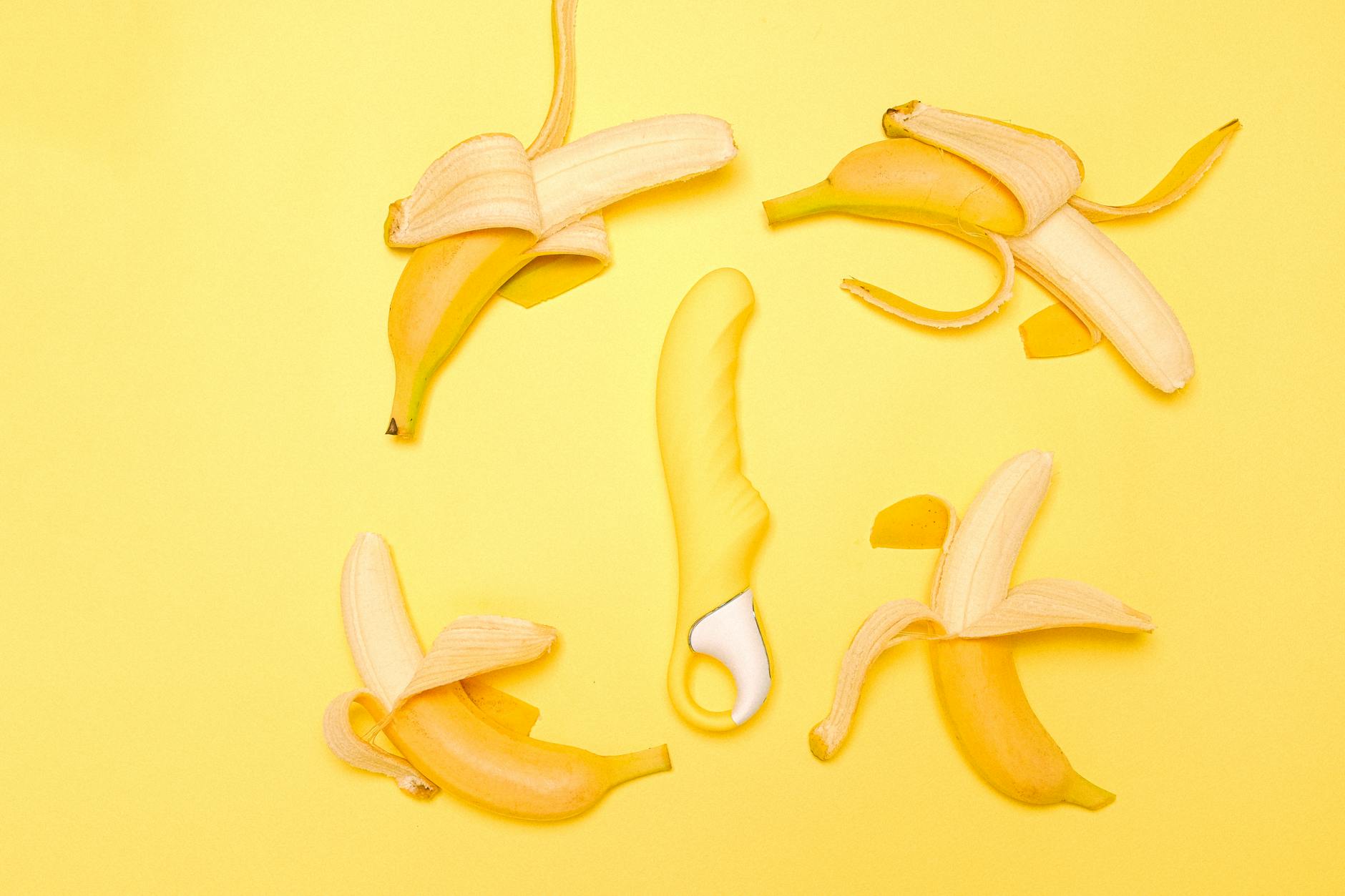
Here's what nobody tells you about vaginismus
Vaginismus is involuntary tension in the pelvic floor that makes penetration painful or impossible. It's not in your head. It's a real muscular response, often rooted in trauma, anxiety, past pain, or sometimes no obvious trigger at all. The worst part? The more you anticipate pain, the tighter you clench. Fear and tension feed each other.
Most treatment advice focuses on penetration eventually. Dilators, pelvic floor therapy, working toward intercourse. All legitimate. But here's what I tell my clients first: stop chasing penetration and start reclaiming pleasure that doesn't require it. A lemon clitoral vibrator is often the fastest, most compassionate entry point.
Why clitoral stimulation bypasses the vaginismus loop
Vaginismus lives in the entrance to the vagina and the pelvic floor muscles around it. When you focus exclusively on clitoral pleasure, you're stimulating nerves and tissue completely separate from the tensioned zone. You're not triggering the reflex that makes your body clench. This matters because pleasure becomes possible without fighting your own nervous system.
The clitoris has 8,000 nerve endings concentrated in a tiny space. A lemon vibrator works so well here because it uses gentle suction instead of direct vibration. Direct vibration can feel overwhelming if you're already hypervigilant about sensation. Suction feels more diffuse, more controlled, easier to manage on your own terms.
I've seen clients move through their vaginismus faster when they spend 2-3 months doing only clitoral work than when they push toward penetration immediately. The nervous system learns that touch and pleasure are safe. That shift is foundational.
The pacing framework that actually works
If you have vaginismus or significant pelvic floor tension, start here.
Week 1-2: Solo exploration, no pressure. Use your lemon vibrator on the lowest setting (pattern 1 or 2) while lying down, completely clothed if that feels safer. No goal of orgasm. You're just learning what the sensation feels like when your nervous system isn't in fight-or-flight mode. Spend 5-10 minutes a few times a week. Stop whenever you want. This is not a workout.
Week 3-4: Remove one layer. Underwear off, vibrator still on low. Notice what changes. Does your body tense differently? Does pleasure feel more accessible? Stay here as long as it takes. There's no rushing to the next step.
Week 5-6: Gradually increase intensity. If pattern 1 feels boring and safe, try pattern 2 for one session. Go back to pattern 1 next time if pattern 2 felt intense. The idea is to expand your window of what feels okay, not to push past discomfort.
Week 7+: Introduce touch outside the genitals first. If partnered sex is eventually a goal, have your partner touch your thigh, your belly, anywhere near but not on the tensioned zone. The idea is to build comfort with another person's touch while you're also learning pleasure with your vibrator.
The timeline varies wildly. Some people move through this in 6 weeks. Others need 6 months. Both are normal. The goal is nervous system retraining, not speed.
What to do when you feel the clench
Vaginismus often comes with a body memory: touch equals pain equals clenching. So when you start using a lemon vibrator, you might feel your pelvic floor tighten even though clitoral stimulation shouldn't trigger the reflex.
This is your nervous system being protective. It's not a failure.
When you notice the clench, pause the vibrator. Take three slow breaths. Don't push through. Pushing teaches your body that pleasure is something to resist. Instead, use what I call the "pause and reset" technique: stop, breathe, come back when you feel your body soften. Five minutes later, next day, whenever feels right.
Over time, your nervous system learns that this touch is different. That it doesn't require bracing. That relaxation is an option. That rewiring takes repetition, not force.
Partner involvement (when and how)
If you're partnered and your partner has been waiting for sex to feel possible, this is also their healing journey. But they need clear boundaries and a role that doesn't pressure you.
Honestly, the best first step is solo use only. Let your nervous system learn safety in complete privacy. Once that feels solid (usually 4-6 weeks), you can invite a partner to be present. Not touching, not directing. Just present while you use your lemon vibrator. The message to your body: "I can feel pleasure, and it's safe to do it with someone nearby."
If your partner pushes for faster progress or makes it about their needs, that's a relationship conversation, not a pleasure conversation. Healing vaginismus requires your partner to genuinely prioritize your comfort over timeline. If that's not happening, see a couples therapist first.
Pelvic floor physical therapy speeds this up
A pelvic floor physical therapist trained in vaginismus is not a luxury; it's a tool that dramatically shortens the timeline. They teach you what relaxation actually feels like in that zone. They can identify tension patterns you don't even notice. They validate that this is a real condition with real solutions.
If you can access it, go. A lemon vibrator is a brilliant solo tool, but it works fastest alongside professional support. If cost is a barrier, look for sliding scale providers or telehealth options.
When pleasure plateaus
Some clients report that after a few weeks of solo use, the lemon vibrator stops feeling as intense. This usually means your nervous system has learned safety and your pelvic floor isn't bracing as hard. That's progress, not failure.
If you want more intensity, try a different pattern or slightly longer sessions. You can also layer in breathwork: deep inhales during plateaus, exhales during stimulation. Breath changes arousal in the brain. It works.
If pleasure stays completely flat, check in with yourself: Are you still scared? Did something trigger old trauma? Is your partner's presence making you tense again? Sometimes the plateau points to a psychological shift that needs attention, not more vibration.
The timeline toward partnered sex (if that's your goal)
This isn't linear. But here's a rough roadmap I see clinically.
Months 1-2: Solo clitoral pleasure only. Building nervous system safety.
Months 2-3: Partner present during solo use. You're using your lemon vibrator while they're in the room. No touching, no expectation.
Months 3-4: Partner offers gentle external touch (thighs, belly, back) while you use your vibrator. The message: "Touch and pleasure can coexist."
Months 4+: Penetration becomes a conversation, not a pressure. Some people get there in 4 months. Some take a year. Vaginismus doesn't care about your timeline. It cares about your nervous system.
The hardest part nobody mentions
Healing vaginismus with a lemon vibrator is physically simple. The hard part is believing you deserve pleasure while you're still afraid. It's showing up week after week when nothing feels dramatic. It's trusting that this slow rewiring works when you want visible progress right now.
Your pleasure matters. It matters enough to take time. It matters enough to do this alone before you bring anyone else into it. It matters enough to pause when you need to, to go backward if that's what your body needs, to define success as "I felt safe today," not "I orgasmed."
That's the actual win.
People also ask
Can you get vaginismus at any age?
Yes. Vaginismus can start after a traumatic sexual experience, during a period of high stress, after childbirth, during menopause when tissue changes create pain, or sometimes with no identifiable trigger. It's common in people with histories of sexual trauma, but not exclusive to that. If penetration has suddenly become painful when it wasn't before, see a gynecologist first to rule out infections or other medical causes. Once medical issues are off the table, vaginismus is highly treatable.
Is vaginismus the same as being asexual or having low desire?
No. Vaginismus is a specific pelvic floor response to penetration. Many people with vaginismus have perfectly normal desire. They want sex; their body just tenses when penetration is attempted. That's why a lemon clitoral vibrator often unlocks everything. Clitoral pleasure works. Penetration doesn't. Separating the two is how you find what your body actually wants.
What if my lemon vibrator still triggers pain or tightness?
First, check that you're starting on the lowest setting and in a very relaxed position. Second, make sure there's no actual medical pain (infections, dermatological issues). Third, consider that your nervous system might need more time, or might benefit from pelvic floor therapy alongside the vibrator. A therapist can teach you what actual relaxation feels like. Sometimes we don't know we're holding tension until someone shows us the alternative.
Can vaginismus heal without penetration ever being a goal?
Completely. If your goal is clitoral pleasure and partnered intimacy that doesn't include penetration, you can absolutely get there with a lemon vibrator and stop there. Healing means reclaiming your choice. If your choice is "penetration is not for me," that's valid. Vaginismus recovery doesn't have a required endpoint.
How do I talk to my partner about this without making them feel like it's their fault?
Honestly: "Vaginismus is a response my nervous system developed. It's not about you or our relationship. Here's what helps me feel safe and what I need from you." Then be specific. "I need you to give me space to explore solo pleasure first. I need you to not ask about timeline. I need to feel like this is about my healing, not about when we can have penetrative sex again." If your partner makes it about their needs, that's a couples issue worth addressing with a therapist.
Does using a lemon vibrator make vaginismus worse?
No. Gentle, self-directed clitoral stimulation actually helps retrain your nervous system. The opposite of vaginismus isn't penetration; it's safety. A lemon vibrator on a low setting teaches your body that genital touch can be pleasurable and safe. That's the foundation everything else builds on.
If you're struggling with vaginismus or pelvic floor dysfunction and want professional support beyond self-use, reach out. Healing happens faster with guidance, and you don't have to figure this out alone.