Here's the thing nobody tells you about turning 50
Your clitoris doesn't stop working. But it does change. The tissue thins, blood flow patterns shift, and the way nerves fire in response to touch reorganizes itself. This isn't failure. It's remodeling. And once you understand what's actually happening, you can work with your body instead of fighting it.
Most people experience a real, measurable change in clitoral sensation sometime in their late 40s or early 50s. It's not dramatic or sudden. But it's real enough that what felt incredible at 42 might feel numb or irritating at 52. That's not a sign that pleasure is over. It's a sign that your pleasure needs different tools.
What actually changes in clitoral tissue after 50
Three physiological shifts happen:
Tissue thickness decreases. The clitoral glans is normally about 5-8mm in diameter, wrapped in mucous membrane and sensitive skin. After 50, that protective membrane gets thinner and more delicate. This sounds like a bad thing, but it's actually nuanced. Thinner tissue means certain types of direct pressure feel too intense. But it also means the nerve endings sit closer to the surface, making them more responsive to the right kind of stimulation.
Blood flow becomes more sluggish. Arousal used to send blood rushing into clitoral tissue, creating that plump, sensitive sensation. After 50, that vasocongestion takes longer to build and doesn't reach the same intensity. Stimulation that used to trigger instant arousal now requires longer warm-up and gentler entry speeds.
Nerve sensitivity recalibrates. This is the big one. The clitoris has about 8,000 nerve endings. They don't leave. But how they respond to input changes. High-frequency vibration (the buzz of a traditional vibrator) can actually feel less pleasant because the nerve distribution has shifted. Low-frequency waves and suction patterns hit differently. Many people over 50 find they suddenly prefer sensations they never noticed before.
Why your old vibrator suddenly feels wrong
Most traditional vibrators use high-frequency oscillation. Think of it as a fast, buzzy sensation. At 30, that felt amazing because your clitoral tissue was thicker and could handle direct intensity without discomfort. The vibration felt crisp and focused.
Now, that same vibrator might feel numbing, or irritating, or just... flat. Not because you're broken. But because thinner tissue under that same frequency creates a different sensation. It's like turning up the volume on a speaker you've outgrown. The problem isn't your ears. The system doesn't match anymore.
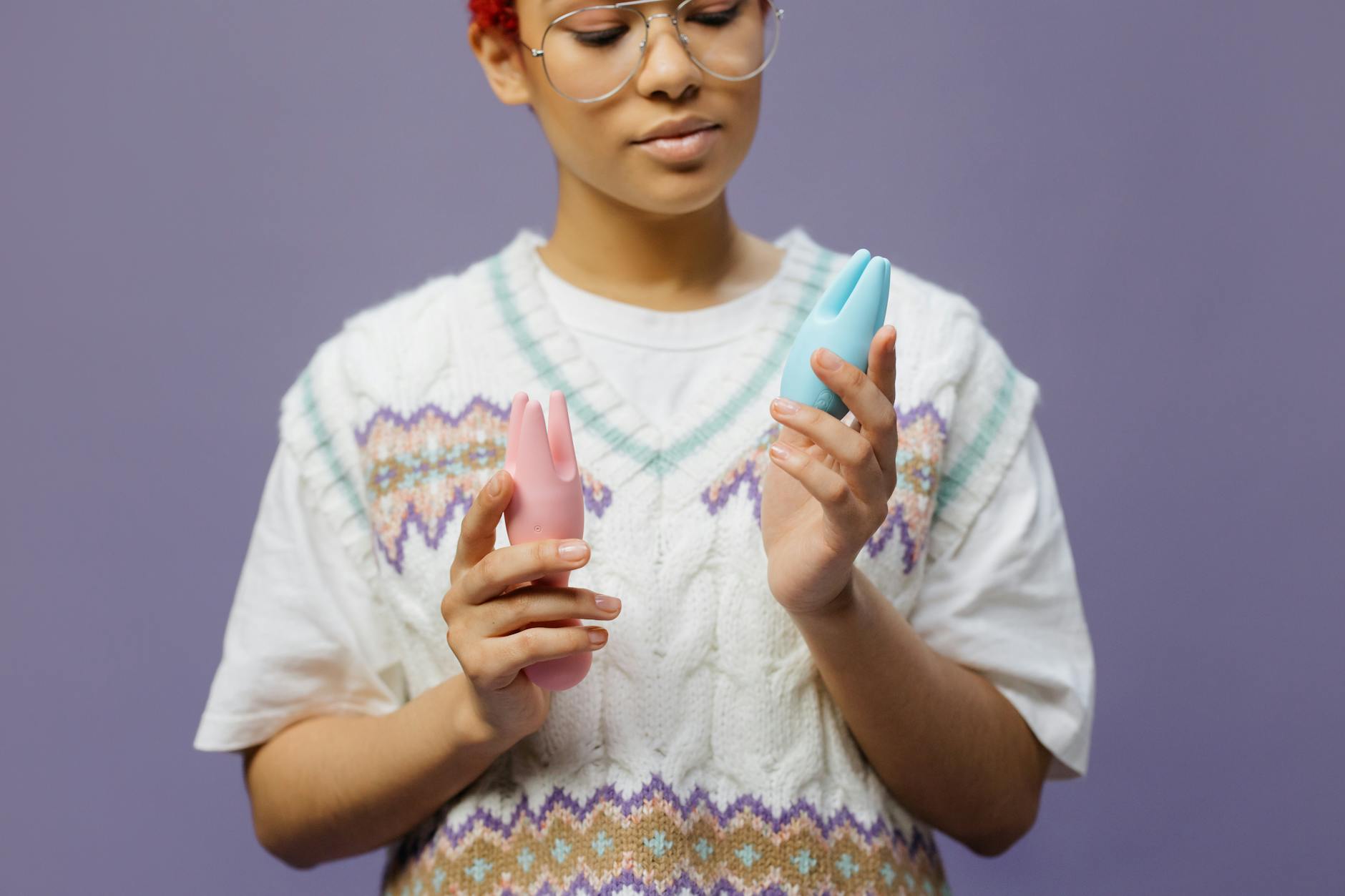
Lemon vibrators work differently. They use suction and gentle pulsing rather than high-speed vibration. Suction creates a sealed micro-environment that massages the clitoral glans without requiring thick tissue to absorb shock. For bodies over 50, this feels less like friction and more like a sustained wave. Less numb. More satisfying.
The suction advantage for aging clitoral tissue
Suction-based lemon clitoral vibrators apply gentle negative pressure rather than vibratory force. Here's why that matters after 50.
When tissue thins, direct vibration can overstimulate quickly or create a numb sensation that makes orgasm feel distant. Suction works by creating a seal around the clitoral glans and then gently drawing blood into the tissue. This accomplishes what your body's natural vasocongestion used to do automatically. You're not relying on the tissue itself to absorb impact. You're using physics to pull sensation into the clitoris.
The patterns matter too. Most lemon vibrators use rhythmic pulsing or wave patterns rather than continuous buzz. This mirrors the natural rhythm of arousal better. Your nervous system recognizes the pattern as erotic stimulus, not just constant irritation. For many people over 50, this feels more like what pleasure actually should feel like.
Starting with lemon vibrators if you're over 50
Four practical adjustments:
Start at the lowest setting. The Lem, like most suction toys, has intensity levels 1-3. Begin at level 1. Seriously. You might think you want more, but thinner tissue responds faster. You can always increase. You can't unsensitize yourself once you've gone too fast.
Add lubricant even if you think you don't need it. Thinning tissue loses natural lubrication capacity. Water-based lubricant isn't a sign of dysfunction. It's a tool that changes how suction feels against the clitoris. With lube, sensation is gliding and warm. Without it, suction can feel sticky or uncomfortable.
Build warm-up time into your routine. Your body takes longer to respond now. That's not laziness. That's remodeling. Spend 10-15 minutes on sensation that isn't directly clitoral. Touching your inner thighs, your breasts, your sides. Letting arousal build before you apply the lemon vibrator. This gives your nervous system time to prepare, and it makes the eventual sensation feel more integrated.
Experiment with positioning. You might find that applying the lemon vibrator at a slight angle, or moving it slowly in a specific direction, works better than dead-center direct pressure. Thinner tissue responds well to movement. Try side-to-side motion or gentle circles. Notice what makes your nervous system light up.
When sensation feels numb or delayed
If you've tried a lemon vibrator at low settings with adequate warm-up and lubricant, and sensation still feels distant, there are two common culprits.
First, medication. Antidepressants, blood pressure drugs, and some antihistamines can blunt clitoral sensation. This isn't permanent. But it does mean you might need to work with your doctor or therapist on timing or dosage. Don't just push harder with the vibrator. Talk to a provider.
Second, psychological arousal. Stress, relationship friction, or just the weight of turning 50 can suppress the mental component of arousal. You might have perfect clitoral tissue and a good vibrator and still struggle because your brain isn't in the game. That's when the bigger conversation starts. How to Use a Lemon Vibrator When Stress Kills Your Libido covers this in depth.
The pleasure advantage of knowing your body better now
Here's what I see clinically: people over 50 who actually get to know their changing bodies report some of their best pleasure in years. Not because the tissue got better. But because they stopped fighting what was real and started experimenting with what works.
At 50, you know yourself. You know what you like. You're not performing for anyone. You've probably had enough conversations with your body to recognize that it's not a problem to solve but a partner to listen to. Lemon vibrators work well after 50 because they're designed for nuance, not intensity. They assume you're intelligent enough to want information instead of just stimulation.
Most women report that once they switch to suction-based toys, traditional vibrators feel clunky. Not because lemon vibrators are objectively better. But because they match what actually happens to clitoral tissue after 50. It's like finally wearing glasses that fit your prescription instead of someone else's.
When to see a doctor about clitoral sensation changes
If sensation changes suddenly and dramatically, see your GP. Rapid changes in sexual function can signal thyroid issues, hormone imbalances, or vascular changes that deserve attention.
If pain appears alongside numbness, see a gynecologist trained in genitourinary syndrome of menopause (GSM). Topical estrogen creams can help, and they work fast.
If numbness coincides with new medications, talk to your prescribing doctor about timing or alternatives. Sometimes a dosage adjustment or taking the medication at a different time of day makes a real difference.
None of this is shameful. Sexual function is health. Providers expect these conversations.
Frequently asked questions about clitoral sensitivity after 50
Does clitoral sensitivity come back if I use my vibrator less? Not really. Sensitivity changes aren't caused by use. They're caused by tissue remodeling. Taking a break won't reverse the change. But switching to a tool that matches what your body needs now (like a lemon clitoral vibrator) will make sensation feel better again.
Can I still have strong orgasms after 50 if my clitoris feels numb? Yes. Numbness often means the wrong tool, not the wrong capacity. Once you find stimulation that matches your tissue (suction-based toys work well for many), orgasms often feel more integrated and powerful than before.
Is it normal for lemon vibrators to feel better than the vibrators I used at 30? Completely normal. Your tissue changed. Your preferences adapted. That's not regression. That's your nervous system working correctly.
Should I use more intense settings on a lemon vibrator to compensate for numb sensation? No. Start low and go slow. Intense suction on thinned tissue can create irritation. The goal is sensation, not force. If low settings feel numb, the issue is usually warm-up time, lubrication, or mental arousal, not intensity.
Does hormone replacement therapy change clitoral sensitivity? Yes, for some people. HRT can thicken tissue and improve blood flow, which changes how stimulation feels. If you start HRT, give yourself 2-3 months before deciding whether your pleasure has shifted. Changes are gradual.
Can I still use my lemon vibrator with a partner after 50, or is it mainly for solo use? Either. A lemon vibrator works well in partnered sex if both people are interested. The low intensity and quiet operation mean it integrates easily. Talk about it first. Introduce it as something you want to explore together, not something that replaces them.
Your body at 50 is not a decline. It's a next chapter. Understanding what changed and choosing tools that work with those changes isn't settling. It's finally getting it right.