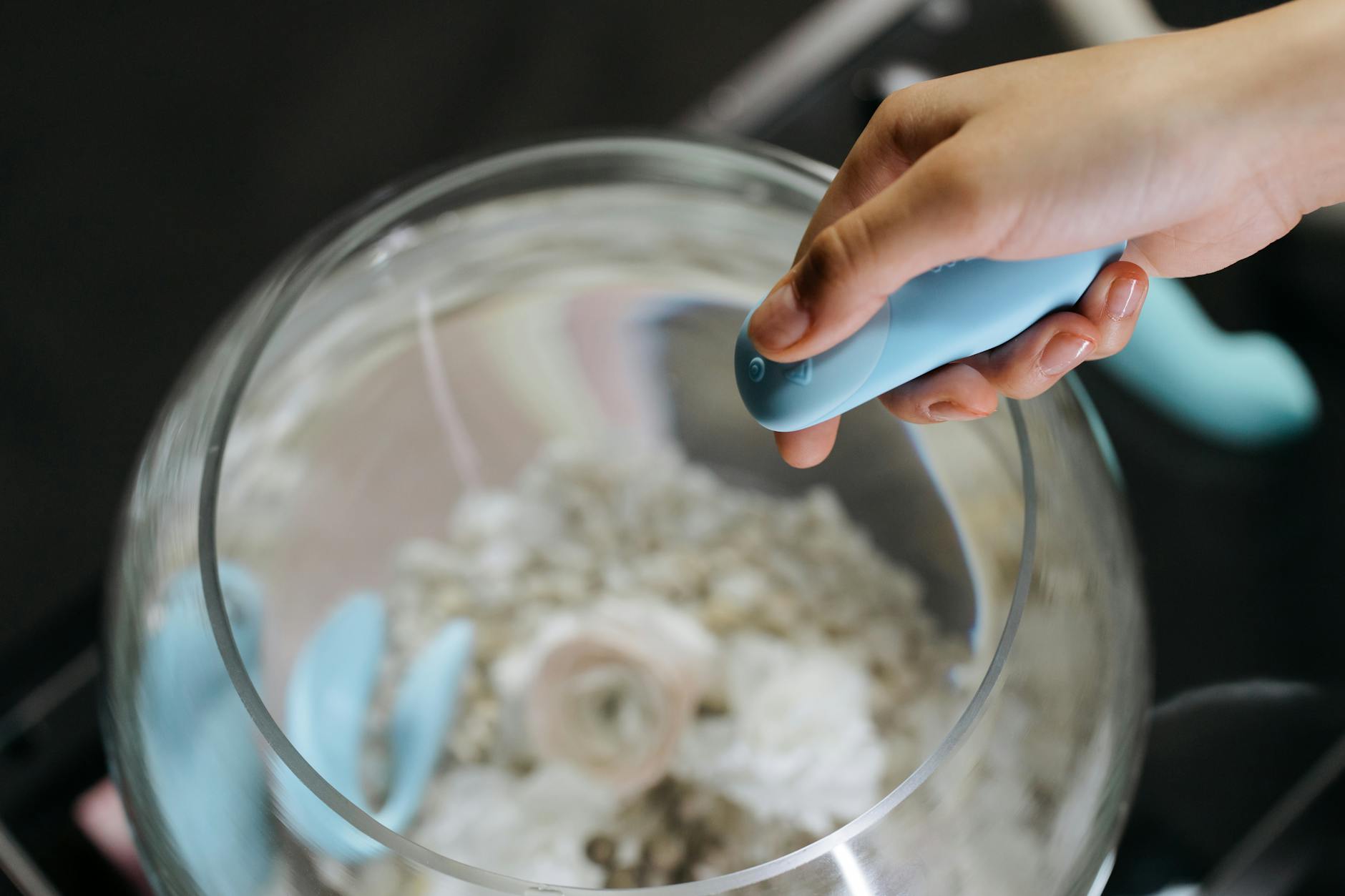
Why I Get Anxious Using My Lemon Vibrator With My Partner in the Room
You bought the lemon vibrator. You've used it alone and it works beautifully. Then your partner asks if they can watch, or if you want to use it together, and suddenly your entire nervous system goes offline. Your breath gets shallow. Your mind goes quiet in the worst way. You feel exposed in a way that has nothing to do with being naked.
That anxiety is not a sign that something is wrong with you, your partner, or your relationship. It's a signal worth listening to, and it's totally treatable.
What's actually happening when you freeze up
When you're alone with your lemon clitoral vibrator, you're in what I call "internal focus mode." Your attention is on sensation, on your body, on what feels good. There's no audience. There's no evaluation happening. You can experiment, slow down, speed up, shift angle. Your nervous system stays regulated.
The moment your partner enters that space, your brain does something it thinks is helpful. It splits your attention. Part of you is still trying to focus on pleasure. Another part is now monitoring their reaction, wondering if they're bored, if they're judging you, if your body looks a certain way from that angle. That split attention alone kills arousal. Physiologically, you cannot sustain sexual response when you're in observer mode.
Add one more layer: many of us grew up with the message that masturbation, especially with a device, is something you should feel shame about. So when your partner is suddenly there, you're not just managing new attention. You're also managing an old voice that says this isn't quite respectable, that real women don't need toys, that you're being too demanding if you require one for pleasure.
That combination creates what feels like paralysis. But it's not paralysis. It's your nervous system trying to keep you safe from judgment.
The difference between external and internal pressure
Here's what separates manageable nervousness from the kind of anxiety that actually blocks pleasure. The manageable kind is anticipatory. You feel it before you start, and it usually settles once you get going. The blocking kind is active performance pressure. It happens during, and it gets worse the longer you stay aware of being watched.
Performance anxiety around lemon vibrators is almost always about one thing: the false belief that your partner's experience is now dependent on your experience. As if you're supposed to perform an orgasm, or perform enjoyment, on their timeline. If that's the pressure you're carrying, of course you're frozen. You've just made your pleasure someone else's job.
That's not your partner's fault. That's the job of whoever taught you that your body exists to be watched and evaluated.
The nervous system resets that actually work
Four practices that shift this, in order of what I'd try first.
1. Name it out loud before you start. Not in a heavy way. Just: "Hey, I want to use this with you here, but I get a little self-conscious when you're watching. That's my thing, not about you." Most partners respond by either looking away for a bit, or by touching you, or by saying something warm. Any of those breaks the performance spell. You've made it real and shared, rather than something you're hiding while pretending you're not hiding it.
2. Change the sensory environment. Some people do better with lower light. Others need music playing so there isn't silence to fill with worry. Some need their partner to be engaged in something else nearby, not staring. Try different setups. Your nervous system might need you to be on top, rather than lying back where you feel more exposed. Experiment. This isn't failing. This is gathering data about what actually works for your body.
3. Use the lemon vibrator as foreplay, not the main event. If all the pressure is on your orgasm, your system will stay tight. But if your partner is also being touched, if it's part of a back-and-forth rather than a performance, the pressure drops. You're not on stage. You're in a conversation with another person. Use your lemon clitoral vibrator for 5 or 10 minutes, then shift to something else. Come back to it. Your nervous system learns that this is play, not a test.
4. Practice being slightly visible with low stakes. If you've never let anyone see you use a vibrator before, jumping to full comfort is unrealistic. Start smaller. Maybe your partner is in the room but facing away. Maybe you're under a blanket. Maybe you start clothed and progress. You're teaching your nervous system that being seen using a lemon vibrator is safe. That takes repetition, not bravery.
Why your partner probably isn't thinking what you think they're thinking
I've talked to hundreds of partners about this moment. The thing I hear consistently is not judgment. It's curiosity, and often relief.
Relief because most partners have been wondering what actually gets their person off. Most have felt some version of "Am I enough?" Using a device is actually an answer to that question, but not the answer you probably think. It's not "I need this instead of you." It's "I can show you exactly what works, and we get to build something together around that knowledge."
Your partner watching you use your lemon vibrator successfully is not a threat to them. It's information. It's you saying, out loud with your body, "Here's how I experience pleasure." That's intimate. That's the opposite of distant.
The anxiety usually comes from a different place altogether. It comes from never having been allowed to take up space with your own pleasure. From being taught that desire is something you're supposed to manage quietly, never ask for, certainly never demonstrate. So when you're about to do exactly that in front of someone, your system panics.
How to know if it's anxiety or something else
If you feel nervous but you want to move forward, that's anxiety. Totally workable. That's what the practices above address.
If you feel resentful, or like your partner is pressuring you, or like you don't actually want them in the room and you're doing this because you feel obligated, that's different. That's a boundary issue. And it needs a conversation before you do anything with a lemon vibrator. Say: "I'm not ready for this yet. I want to be, but I'm not." That's complete and true. You don't owe access to your pleasure timeline.
If you've used your lemon clitoral vibrator with partners before and it's only recently that anxiety has shown up, something else might be happening in the relationship. Resentment builds silently. Distance builds silently. Sometimes it shows up as performance anxiety in bed. In that case, the vibrator isn't the issue. The relationship architecture is. Worth exploring separately.
Moving from theory to practice
Start with the conversation, not the vibrator. Tell your partner what you're actually anxious about. Not just "I'm nervous," but the specific thing. "I worry you'll think I'm too focused on my own pleasure." Or "I'm embarrassed by the noise it makes." Or "I don't want you to feel like you're not enough." That specificity matters because your partner can't reassure you about a vague feeling.
Then pick one of the resets above. Try it. If it doesn't work, try another. Your lemon vibrator works beautifully when you're alone. It will work with your partner too, once your nervous system learns it's safe. That learning usually takes a few attempts, not one conversation.
You deserve pleasure that isn't shadowed by performance pressure. Your partner deserves to know what actually gets you there. And that knowledge, shared, is what builds real intimacy.
People also ask
Why do I lose arousal when my partner is watching me use my lemon vibrator?
Arousal requires internal focus. The moment you split your attention between sensation and monitoring someone else's reaction, your nervous system shifts into a different mode. You move from pleasure-focused to evaluation-focused, and those two states can't coexist. Add any old shame about using a device, and your system essentially locks down. This isn't a reflection on you or your partner. It's how human attention and arousal work together.
Is it normal to feel embarrassed using a lemon clitoral vibrator in front of my partner?
Completely normal. Most people feel some version of this the first time. You've probably spent years keeping this private. Being watched changes everything neurologically and psychologically. The embarrassment usually decreases significantly once you've done it a few times and nothing bad happens. Your partner doesn't leave. They don't judge. Your nervous system slowly learns it's safe.
What should I tell my partner before using my lemon vibrator with them for the first time?
Start with the truth: "I want to include you in this, but I get a little self-conscious." You might also say what you need. "I'd feel better if we could have some music playing" or "I'd like you to be touching me while I do this" or "Maybe look at me instead of staring really intently." Your partner isn't a mind reader. The more specific you are about what would help you feel safe, the easier it is for them to support you.
Can my partner help me use my lemon vibrator if I'm too anxious to do it alone with them?
Absolutely. Many people find it easier to stay present when their partner is actively involved. That could mean they're holding the device, or they're touching you while you hold it, or they're giving you feedback about what they're seeing. This removes the performance pressure because you're not being passively watched. You're in collaboration. That shift from observation to participation changes everything.
Does using a lemon vibrator with my partner mean I don't enjoy sex without it?
No. A lemon clitoral vibrator is a tool. Using one doesn't make penetrative sex less pleasurable or meaningful. Many people use clitoral vibrators sometimes and not other times, depending on what they want that day. Your partner should understand that bringing a device into your intimate life is expanding your options, not replacing them.
How do I stop my mind from racing when my partner is in the room?
Your mind races because your nervous system is in a threat-detection mode. You're scanning for danger. Grounding practices help. Before you start, press your feet into the ground. Name five things you can see. Feel the texture of the blanket under you. These simple practices tell your nervous system that you're actually safe, right here, right now. Then start slow with your lemon vibrator. Slow enough that you can notice sensation. Slow enough that your attention stays internal rather than external. Speed up only when you feel the anxiety drop.
The reset you need
Your anxiety around using your lemon vibrator with your partner isn't something to overcome through willpower. It's something to move through by making your nervous system feel safe, one small repetition at a time. Start with conversation. Pick one practice. Be patient with yourself. The pleasure you have alone is real. That same pleasure, shared with someone you trust, is possible too.