
Let's talk about what actually happened
Your skin barrier broke down. Not because you're weak or you did something wrong, but because clitoral tissue is delicate, and when it gets overstimulated, the protective layer that keeps moisture in and irritants out gets compromised. The Lem and other lemon clitoral vibrators are incredibly good at what they do. Sometimes that power, combined with frequent use or existing sensitivity, creates friction damage.
Here's the thing: barrier damage is fixable. It's not permanent. But it does require you to pause intense vibration for a bit and follow a specific rebuild protocol. I'm walking you through exactly what that looks like.
How you know your barrier is actually compromised
Barrier damage isn't just redness. It's a cluster of symptoms that usually appear together. Your clitoris might feel raw or burning, even hours after you've stopped using your vibrator. You might notice stinging when water touches the area, or when you wear tight underwear. Some people describe it as a persistent ache, like a minor sunburn.
What makes barrier damage different from normal sensitivity is that it doesn't improve with rest alone. You could take two weeks off and still feel uncomfortable. The difference between "I need to take a break" and "my barrier is damaged" is duration and intensity. Barrier damage lingers.
You might also notice that your usual lubricants sting, or that things that never bothered you before now feel irritating. That's because your protective lipid layer is thinner, so irritants penetrate deeper.
Why this happens with suction vibrators
The Lem and similar lemon sexual toys create pressure changes that are incredibly effective at stimulating nerves. That's the whole design. But if you're using it frequently, at high intensity, or without proper lubrication, the suction cup creates micro-friction against the tissue. Over time, repeated friction breaks down the outermost layer of skin.
This is more common than you'd think, especially if you fall into a few categories. People with existing eczema or dermatitis have compromised barriers to begin with, so intensity hits harder. People using certain medications, especially topical steroids or retinoids, have thinner skin. And people who use their lemon vibrator multiple times daily, back-to-back sessions, are at higher risk.
It's also worth knowing that a worn silicone toy or one with any micro-tears can accelerate damage. If your Lem feels rough or has tiny cracks, even ones you can barely see, that's causing additional friction.
The protocol for rebuilding your barrier
Okay, here's what actually works. I'm giving you a four-week rebuild protocol that I recommend to almost everyone dealing with this.
Week one: complete pause.
No vibrators. No intense stimulation. You can still have partnered sex, but avoid anything that puts direct pressure or friction on the clitoris. Your job right now is to stop the bleeding, so to speak.
Start a twice-daily barrier repair routine. After showering, pat the area completely dry. Apply a heavy ceramide cream or barrier repair balm. Look for products that list ceramides, hyaluronic acid, and cholesterol in the first few ingredients. CeraVe, La Roche-Posay, or even plain coconut oil work. I recommend coconut oil specifically because it has natural anti-inflammatory properties, and it's something most people have at home.
Apply a pea-sized amount after every shower and before bed. Don't overdo it. The goal is to help your skin retain water, not to create a occlusive layer that traps bacteria.
Week two: gentle touch.
Your barrier is starting to rebuild. You can now resume very gentle partnered intimacy. No toys. Focus on external touch, oral stimulation from a partner, or just extended foreplay. Keep it slow. This is not the week to chase orgasm.
Continue the twice-daily barrier repair cream. If you're still feeling burning, add a third application in the afternoon.
Week three: reintroduce alternatives.
If barrier pain has dropped significantly, you can reintroduce sensation. But not the Lem yet. Try a different stimulation method. A wand vibrator on its lowest setting, applied very lightly over the area. A hand-held vibrator designed for couples. Something with less concentrated suction.
If that goes well without pain or stinging, you're on the right track.
Keep the barrier repair cream going.
Week four: return to your clitoral vibrator.
Once you're three weeks into repair and not experiencing burning or stinging, you can cautiously reintroduce your lemon vibrator. But use it differently than you did before.
How to use your Lem safely after barrier damage
Here's the actual technique to avoid re-injury.
Start with pattern one. Not pattern three. Not "I'll warm up with one and move to three." Start at the lowest intensity setting and spend a full session there. See how your skin responds the next day.
Apply coconut oil or barrier repair cream beforehand. This creates a protective layer between the suction cup and your skin. It reduces direct friction. Use about a half-teaspoon.
Limit sessions to 10-15 minutes. Not 30. Intense clitoral stimulation for extended periods is what caused the damage in the first place. Shorter, gentler sessions are smarter.
Never go back-to-back. At least two days between sessions. Your skin needs time to recover and rebuild.
Watch for early warning signs. If you notice any burning or stinging within two hours of using your lemon vibrator, stop. That's your barrier telling you it's still healing.
When you need to see a doctor
If after four weeks of following this protocol you're still experiencing pain, or if the area shows signs of infection like pus, severe swelling, or heat, see a gynecologist. Barrier damage is usually straightforward to heal, but sometimes there's an underlying skin condition like dermatitis or lichen sclerosus that needs medical attention.
Your doctor might recommend a topical steroid cream to speed healing, especially if eczema is involved. That's completely fine and actually helpful. Topical steroids aren't bad. They're anti-inflammatory, and inflammation is what's keeping your barrier from healing.
The real lesson here
Barrier damage happens because pleasure is powerful. The Lem and other clitoral vibrators are designed to stimulate intensely, and sometimes our skin can't keep up. But that doesn't mean you have to choose between using your vibrator and protecting your skin. You just have to be intentional about frequency, intensity, and recovery.
Your clitoris doesn't want to be used roughly all the time. It wants varied stimulation, adequate lubrication, and rest. Give it that, and you'll get years of pleasure from your lemon adult toys without irritation.
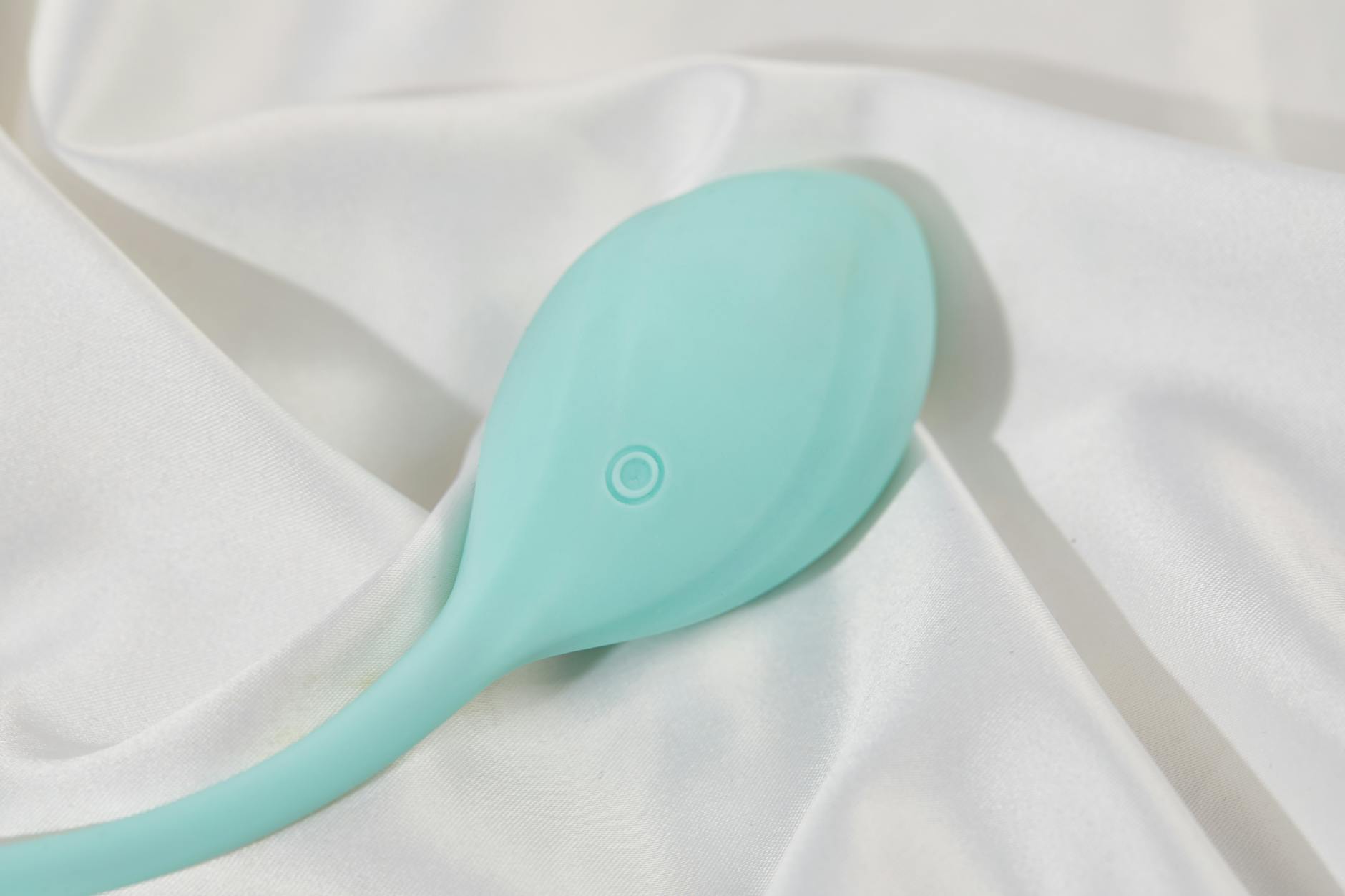
Photo by IFONNX Toys on Pexels
Frequently asked questions
Can I use my regular lubricant while my barrier is healing?
Maybe. This is where it gets tricky. Some lubes are fine. Water-based lubes with minimal additives, like plain silicone-based, are your safest bet. Avoid anything with glycerin, parabens, or fragrance while you're healing. Those can irritate an already-compromised barrier. If you're not sure what's in your lube, skip it for four weeks and use coconut oil instead.
Is barrier damage the same as a yeast infection?
No. Barrier damage is a physical breakdown of your protective skin layer. A yeast infection is a fungal overgrowth. They can happen together, but they're different problems. Barrier damage causes burning and rawness. A yeast infection causes thick discharge, itching, and burning during urination. If you suspect a yeast infection, see your doctor. If you're just dealing with barrier damage, the protocol above works.
How do I know if my Lem is causing the damage or if it's something else?
Timing is the clue. If the burning or rawness started shortly after you began using your lemon vibrator intensely, and it doesn't happen when you're not using it, the vibrator is probably the culprit. If you had sensitivity before you ever used a vibrator, something else is going on. You might have underlying dermatitis or sensitive skin that just needs different care.
Can I use my clitoral vibrator during my menstrual cycle while healing?
I'd avoid it for the first two weeks of your barrier repair protocol. During menstruation, your tissues are more swollen and more sensitive already, and introducing vibration on top of that can delay healing. After two weeks, once initial inflammation has calmed down, gentle use might be okay. But listen to your body. If it stings, stop.
Will my barrier ever be as resilient as it was before the damage?
Yes. Your skin is constantly renewing itself. Once you've rebuilt your barrier and given yourself adequate recovery time, you're not left with permanent weakness. You do learn something valuable, though. You learn your personal threshold for intensity and frequency. That knowledge actually makes you a smarter, more intentional user of your pleasure devices in the long run.
What's the difference between coconut oil and a clinical barrier cream?
Clinical barrier creams like CeraVe contain ceramides, cholesterol, and other lipids in carefully balanced ratios that your skin actually needs. Coconut oil is simpler. It has antifungal and anti-inflammatory properties, and it's occlusive, meaning it locks moisture in. Coconut oil works fine for rebuilding, but if you have the option to use a ceramide cream, that's technically faster. Either way, you're on the right track.
What comes next
Barrier damage sucks. It means your favorite way to have solo pleasure is temporarily off the table. But it's not permanent, and it's not a sign that you can never use a lemon clitoral vibrator again. It's a signal to slow down, be gentler, and rebuild with intention. Most people who follow this protocol are back to regular, pain-free use within a month. You will be too.
If you're struggling to figure out your next steps or you want to talk through your specific situation, reach out. That's what we're here for.