Let's be real about antidepressants and pleasure
SSRIs work by keeping serotonin in your brain longer. That's brilliant for mood regulation. But serotonin also plays a major role in sexual response, and increased serotonin availability can flatten arousal, delay orgasm, or make it feel distant. About 40% of people on SSRIs experience some form of sexual side effect, which means you're not broken. You're on a medication that's working, and your nervous system has adjusted to it. That's the thing nobody explains clearly.
The frustrating part isn't that pleasure disappears. It's that it becomes harder to access. Arousal takes longer. Sensation feels muted. Orgasms, when they come, feel less intense or more effortful. And because most sex advice assumes a baseline nervous system, very little guidance is actually useful for this specific situation.
How SSRIs change the pleasure pathway
Your orgasm isn't a single event. It's a chain of things happening in sequence. Your brain registers arousal. Your nervous system shifts into sympathetic gear (the accelerator). Blood flow increases. Nerves fire. Muscles contract. Each step depends on the ones before it.
SSRIs don't block any of these steps individually. Instead, they raise your serotonin baseline, which makes your nervous system less reactive overall. You need more stimulation to trigger the same response. The good news is that your capacity for pleasure is still there. Your nervous system just needs different input.
This is where the difference between traditional vibrators and lemon clitoral vibrators matters. A standard vibrator relies on rapid vibration to build sensation. With a dampened nervous system, you're asking for more stimulation to reach the same threshold. Lemon suction vibrators work differently. They create sustained pressure and rhythmic pulsing that stimulates nerves without requiring the same frequency of vibration. For people on SSRIs, that sustained approach often works better.
Why suction works when vibration alone doesn't
Think of the difference this way: traditional vibration is like tapping on a door. Suction is like pressing your hand against it steadily, then releasing, then pressing again. One creates rapid micro-movements. The other creates broader pressure waves that engage more nerve endings at once.
When your nervous system is less reactive, you benefit from stimulation that creates a stronger, more diffuse sensation. The Lem vibrator, a lemon clitoral vibrator, uses air-suction technology that works through gentle pressure and release rather than pure vibration. People on SSRIs frequently report that suction-based devices feel more accessible than traditional vibrators, partly because the sensation is easier to feel and partly because the rhythm is easier to synchronize with arousal.
There's also a psychological piece. When you've been struggling with sexual side effects, traditional vibrators can feel like they're "not working," which creates pressure and frustration. A different type of stimulation feels fresher. It doesn't carry the same expectation of failure.
The warm-up time shift you need to know
On SSRIs, foreplay isn't optional. It's essential. Where you might have been able to go from zero to sensation in five minutes, you now need 20-30 minutes of consistent, building stimulation. This isn't laziness or low desire. This is your nervous system working differently under medication.
Build warm-up time into your expectations. Start with external stimulation only. Let your body adjust. Use a lemon adult toy at the lowest setting. Spend time touching yourself or being touched in non-genital ways. The goal isn't to rush to orgasm. The goal is to help your nervous system gradually shift into the arousal state it needs.
Many people find that once they stop fighting the longer timeline and instead lean into it, the experience becomes richer. The extended warm-up means more time for mental arousal to build, which makes physical pleasure stronger when it arrives.
Practical adjustments that actually work
If you're using lemon sexual toys or any clitoral vibrator while on SSRIs, these four changes make a measurable difference.
Start at the lowest setting, every time. Don't assume you need high intensity just because you used to. Your nervous system is running on different chemistry. Low settings often feel more intense now than they used to because you're giving your body time to register sensation.
Use lube, even if you didn't before. SSRIs can reduce natural lubrication. Water-based lube reduces friction and lets you feel sensation more clearly without the distraction of discomfort.
Stay consistent with patterns. Experiment with different rhythms on the Lem vibrator or other lemon clitoral vibrators to find which pulse pattern your nervous system responds to. Once you find it, stick with it for a few sessions. Your body learns. Novelty can be great, but consistency helps rebuild the neural pathway for orgasm.
Separate mental arousal from physical response. Many people on SSRIs find that their mental desire is fine, but their body doesn't respond as quickly. This mismatch can feel like broken desire when it's actually just a timing issue. Try building mental arousal first. Read something, watch something, fantasize. Let your brain get there. Then add physical stimulation. Often the body follows.
When to talk to your doctor
Here's what's important: if sexual side effects are severe enough to affect your mental health or relationship, it's worth a conversation with your prescriber. You have options. You might be able to adjust your timing (taking your SSRI at night instead of morning can sometimes help). You might be able to lower your dose slightly. Or you might try adding a medication that works against sexual side effects. Buspirone or bupropion are sometimes prescribed alongside SSRIs for exactly this reason.
Your psychiatrist or GP has probably had this conversation with other patients. It's not unusual. It's not shameful. And it's entirely treatable.
The timeline for recovery
Sexual side effects from SSRIs don't resolve overnight, but they're not permanent either. Some people find that their nervous system adapts within 3-6 months. Others take longer. Some find that switching medications shifts things quickly. The unpredictability is frustrating, but the important thing to know is that sensation and orgasm can return. Thousands of people rebuild a fulfilling sexual life while on SSRIs.
In the meantime, tools that work with your nervous system, not against it, matter. Lemon vibrators and suction-based devices are worth trying because they work differently than what you might have tried before. They approach stimulation from a different angle. And often, a different angle is exactly what helps.
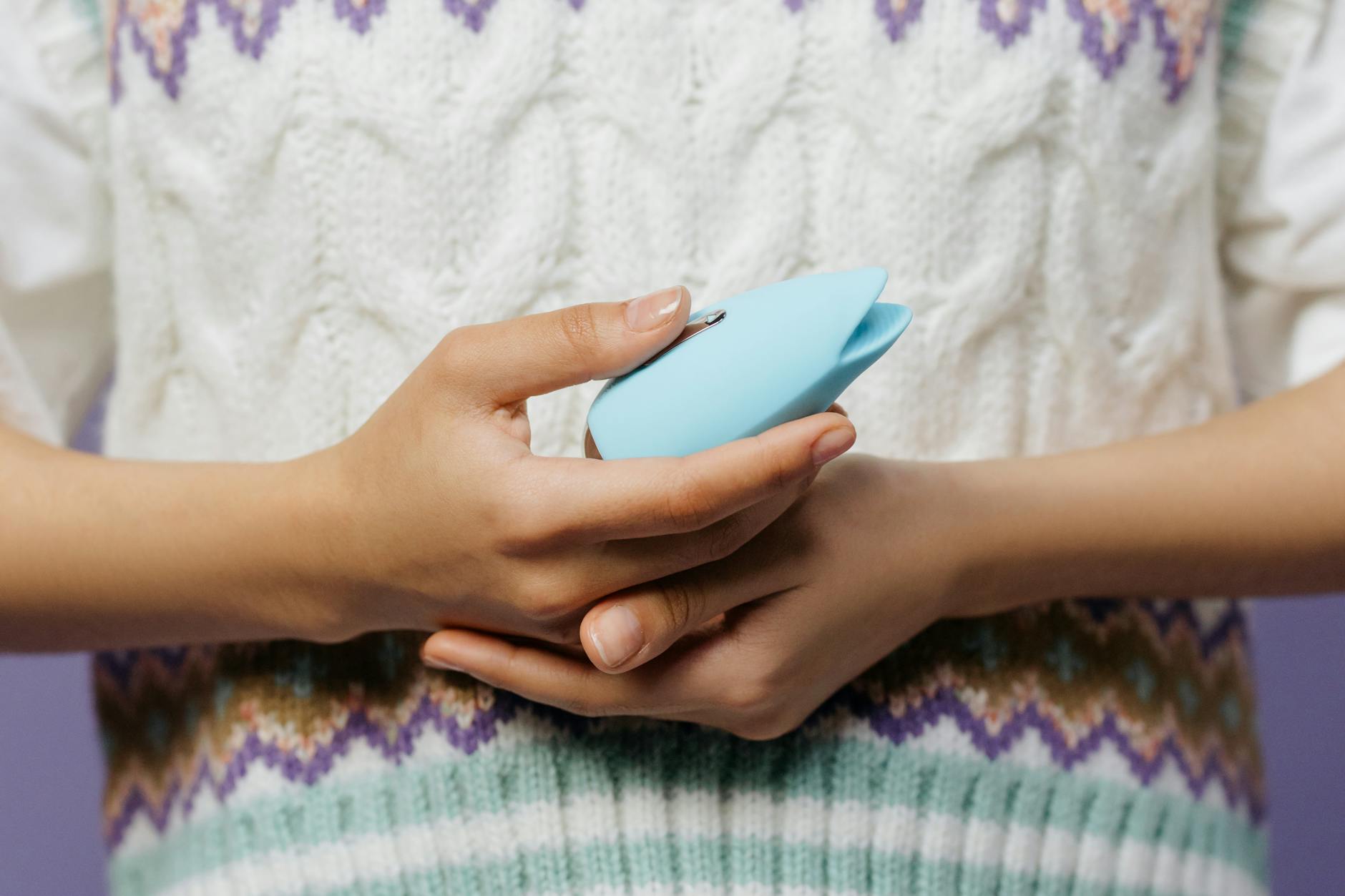
Photo by cottonbro studio on Pexels
What to expect with lemon clitoral vibrators
If you're trying a lemon vibrator for the first time, here's what tends to happen. The first session often feels gentler than you expected. That's good. It means you're not overstimulating your already-dampened nervous system. Second and third sessions, as your body acclimates to the sensation, things often feel sharper. By week two or three, many people notice they're able to reach higher intensities and orgasms feel more accessible.
The learning curve is real, but it's not steep. Your body is smart. Give it time and the right tools, and it usually figures it out.
FAQ
Can I use a lemon vibrator if I'm also on a mood stabilizer like lithium?
Lithium doesn't interact with sexual function the same way SSRIs do, so you might find you don't have the same sexual side effects. But everyone's chemistry is different. If you're experiencing delayed orgasm or reduced sensation, the strategies here still apply. A lemon clitoral vibrator works well regardless of what's causing the muted response.
Does switching from one SSRI to another actually help with orgasm problems?
Yes, sometimes significantly. Different SSRIs affect different people differently. Sertraline and paroxetine are more commonly associated with sexual side effects, while escitalopram or citalopram are gentler for some people. This is absolutely worth discussing with your prescriber if the side effects are bothering you.
How long should I try a lemon vibrator before I know if it's working?
Give it at least four to five sessions over two weeks. Your nervous system needs time to adjust to a new sensation. The first session is often exploratory. By session three or four, you'll have a better sense of what works. If nothing is shifting by week three, talk to your doctor about other options.
Can I use a lemon sucker vibrator alongside my partner, or does it only work solo?
Both. Some couples find suction devices easier to incorporate during partnered sex because the angle is flexible and the sensation is different from penetration. Other people prefer using lemon sexual toys solo to rebuild their own response first, then bring a partner back in once they feel more confident about their body's capacity for pleasure. There's no wrong answer.
Will my orgasm ever feel the same as it did before antidepressants?
Maybe. Some people find that their orgasms feel different but equally strong. Others find they eventually feel very similar to before. A few people discover they feel better. The variability is frustrating, but the important thing is that orgasms do return for most people, whether through medication adjustment, nerve rehab, or tools designed for this specific challenge.
What if lemon vibrators don't work for me?
Not every device works for every person, and that's okay. If suction isn't clicking, try a traditional vibrator at very low intensity. If external stimulation isn't working, explore internal stimulation. Some people find that combining methods works better than any single approach. The goal is experimentation without pressure. You're not failing if the first thing you try isn't perfect.
The bigger picture
Your sexual health matters. Not because sex is the measure of a good life, but because pleasure and physical connection are parts of being human. And you deserve access to both while you're taking medication that helps your mental health. That's not a contradiction. It's just biology.
If you're navigating this right now, you're not alone. Thousands of people are rebuilding sensation and orgasm while on SSRIs. The tools are better than they used to be. The information is getting clearer. And your body is more capable than the flatness you're experiencing right now suggests.
Give yourself time. Give yourself good tools. And if you need support figuring out your specific situation, reach out. We're here to help.
Ready to explore what works for your body? Contact us to talk through options or ask questions about lemon vibrators and what might work best for your situation.