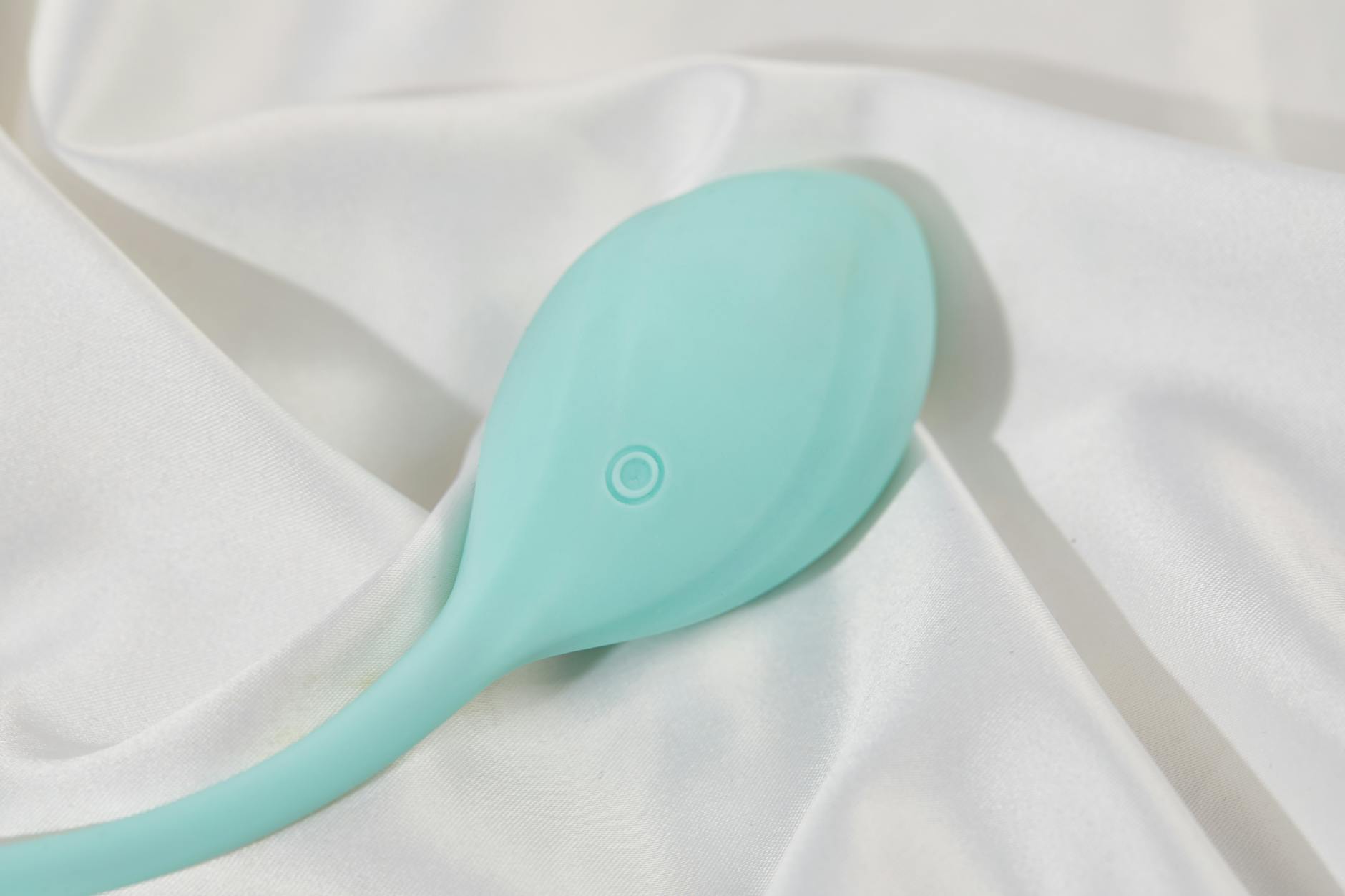
Let's be real about what divorce does to pleasure
Divorce is often painted as loss. And sure, there's grief. But here's what nobody talks about: many people discover their most satisfying orgasms in the years after. Not because the marriage was bad (though sometimes it was). Because divorce gives you permission to pleasure yourself without an audience, without a script, without checking in with someone else's needs first.
A lemon clitoral vibrator after divorce isn't just a toy. It's often the first time someone touches themselves without the mental load of a partnership.
The neurological reset that happens
When you're partnered long-term, your brain builds neural pathways around that specific dynamic. Your arousal develops a rhythm tied to another person's presence, their touch, their timing. When divorce happens, those pathways are suddenly firing in a vacuum. You're not broken. Your brain is recalibrating.
Here's what that recalibration looks like: the first time you use a lemon sucker or any clitoral vibrator solo post-divorce, it often feels unfamiliar. Not bad. Just different. You might notice your orgasms take longer to build, or conversely, arrive faster. You might discover intensities you never could have accessed partnered, because there's no one watching, no one waiting, no unconscious timing dance happening.
Many of my clients report that suction-based toys like the lemon clitoral vibrator feel particularly good during this phase because they're completely independent of partner dynamics. You control the rhythm, the intensity, the duration. There's no negotiation.
Why confidence matters more than lubrication
After divorce, people often approach their own pleasure with guilt or hesitation. You might feel: Is this selfish? Am I supposed to be grieving more? Should I be dating already? These mental blocks create actual physical tension.
Tension in your pelvic floor, your shoulders, your jaw. Tension that makes stimulation feel less effective, clitoral vibrators feel less intense, orgasms harder to reach.
The physical part (lubrication, arousal, sensation) is maybe 30% of the equation. The psychological part is 70%. When you use a lemon vibrator solo, after divorce, with genuine permission to just feel good, two things happen simultaneously:
- The physical sensation improves because you're actually relaxed enough to feel it.
- The psychological ownership improves because you're reclaiming your body as yours alone.
That's not coincidence. That's how nervous systems work. Confidence unlocks sensation.
The specific pleasure patterns post-divorce
Three patterns I see consistently in my clients who've navigated this transition:
Pattern one: rediscovery. Many people (especially women who've been in long marriages) realize they haven't actually explored their own orgasm patterns since their twenties. A lemon clitoral vibrator becomes a tool for meeting yourself again. Pattern, intensity, duration, fantasy, timing. All unknowns. This phase often lasts 3-6 months and feels like genuine scientific curiosity.
Pattern two: intensity escalation. Once you're comfortable, many people push into higher intensities than they ever used partnered. Not because they're broken, but because they can. There's no one who finds it odd. No timing concern. The lemon sucker on level 4 at midnight is just. for you. This acceleration is normal and not a sign of numbness.
Pattern three: integration. After 6-12 months, most people integrate solo pleasure (with lemon vibrators or other tools) as a regular self-care practice. It's not novelty anymore. It's just part of your life, like exercise or a good skincare routine. Some people find this phase calms the intensity escalation naturally.
How to approach lemon vibrators if you're nervous
If you're newly divorced and considering a clitoral vibrator for the first time solo, here's what helps:
Start without pressure. Don't buy a lemon vibrator thinking it's going to solve something. Buy it thinking "I'm curious what this feels like on my body." Curiosity is gentler than expectation.
Give yourself 15 minutes minimum. Arousal post-divorce often takes longer because your nervous system is still recalibrating. You're not responsive to speed. You're responsive to permission. Longer warm-up time (comparable to what's described in resources on post-divorce intimacy rebuilding) actually helps lemon clitoral vibrators work better.
Use water-based lubricant. Not because you're broken, but because your tissue quality may have shifted. Stress, hormonal changes, and the nervous-system recalibration I mentioned can all affect natural lubrication. This is temporary and completely normal. A good water-based lube removes that friction worry and lets you focus on sensation.
Let yourself fantasize freely. One of the biggest shifts post-divorce is that your fantasy life can completely change. Things you couldn't imagine enjoying partnered might suddenly feel amazing solo. Things you used to enjoy might not. This is your brain recalibrating. A lemon sucker doesn't care what you're thinking about. Use that freedom.
When to check in with a therapist
If you're feeling shame about wanting pleasure post-divorce, that's worth naming with someone trained in this. Not because there's anything wrong with you. But because shame is a nervous-system brake that makes everything harder.
If you notice that pleasure feels completely absent, or if anxiety spikes when you try to touch yourself, that's also therapist territory. Divorce can trigger trauma responses. A good relationship therapist or somatic specialist can help you understand what's happening physiologically.
If you're using a lemon clitoral vibrator or any sexual tool as a way to avoid grief or feelings, pay attention to that too. Pleasure is wonderful. Using it as dissociation isn't the same as healing.
The integration into dating again
Here's the thing: learning your own pleasure patterns post-divorce makes dating and new partnerships so much better, not worse. You know what you want. You know what your body responds to. You can actually tell a new partner what works, instead of guessing or defaulting to old patterns.
A lemon vibrator isn't an obstacle to future partnership. It's often the foundation of it. Because you come to the table knowing yourself.
Divorce is the end of a chapter. But for your pleasure, it's often the beginning of one. What you discover about yourself in this phase belongs entirely to you.
FAQ: lemon vibrators and post-divorce pleasure
Why does my lemon clitoral vibrator feel more intense now than it did partnered? A few reasons. First, you're likely more relaxed and less distracted. Second, you're probably experimenting with higher intensity levels than you could in a partnership context. Third, your pelvic floor may be less tense now, which actually allows sensation to register more fully. All of this is normal and not a sign of numbness.
Is it weird that I want to use a lemon vibrator constantly after my divorce? Not weird at all. Your nervous system is recalibrating, and pleasure (especially solo pleasure with full control) is soothing during that process. As long as it's not replacing sleep, work, or social connection, it's actually a healthy self-care practice. The intensity of the interest usually mellows after 3-6 months.
How long until I can use a lemon sucker comfortably with a new partner? That's entirely your timeline. Some people integrate toys immediately with new partners. Others wait months or years. There's no "right" answer. What matters is that you're using it because you want to, not because you feel you should or shouldn't. Your newfound comfort with lemon clitoral vibrators is yours to share or not share.
Can a lemon vibrator help me feel less numb after divorce? Numbness after divorce is a grief response, and it's real. A clitoral vibrator can help you reconnect with physical sensation, yes. But if numbness is deep or persistent, that's also worth talking through with a therapist. Sometimes numbness is protecting you from something you're not ready to feel yet.
Why do I feel guilty about using a lemon vibrator after my divorce? Guilt is often leftover from partnership dynamics. You might be carrying the belief that pleasure is something you share, not something you take for yourself. Or you might be grieving the loss of partnered intimacy and interpreting solo pleasure as disloyalty to that grieving process. Both are completely understandable. Neither means you should stop. Guilt usually fades once you've given yourself explicit permission a few times.
Should I tell a new partner about my lemon clitoral vibrator use? That's your choice, and it depends on the relationship. Some people integrate toys naturally into new partnerships. Others keep their solo pleasure private. There's no requirement to disclose. If it comes up and you want to share, you can. If it doesn't, that's also fine. Your pleasure belongs to you first.
What actually changes after divorce
Divorce reshapes your relationship to pleasure. Not by breaking it. By untethering it from someone else's needs, timeline, or presence. A lemon vibrator, a lemon sucker, any clitoral vibrator becomes a tool for rediscovering what your body actually wants, not what you've trained it to want.
That's not a loss. For most people who lean into it, it's the beginning of the best sex of their lives. Alone first. And then, when you're ready, with someone new who gets to meet you exactly as you've learned to meet yourself.