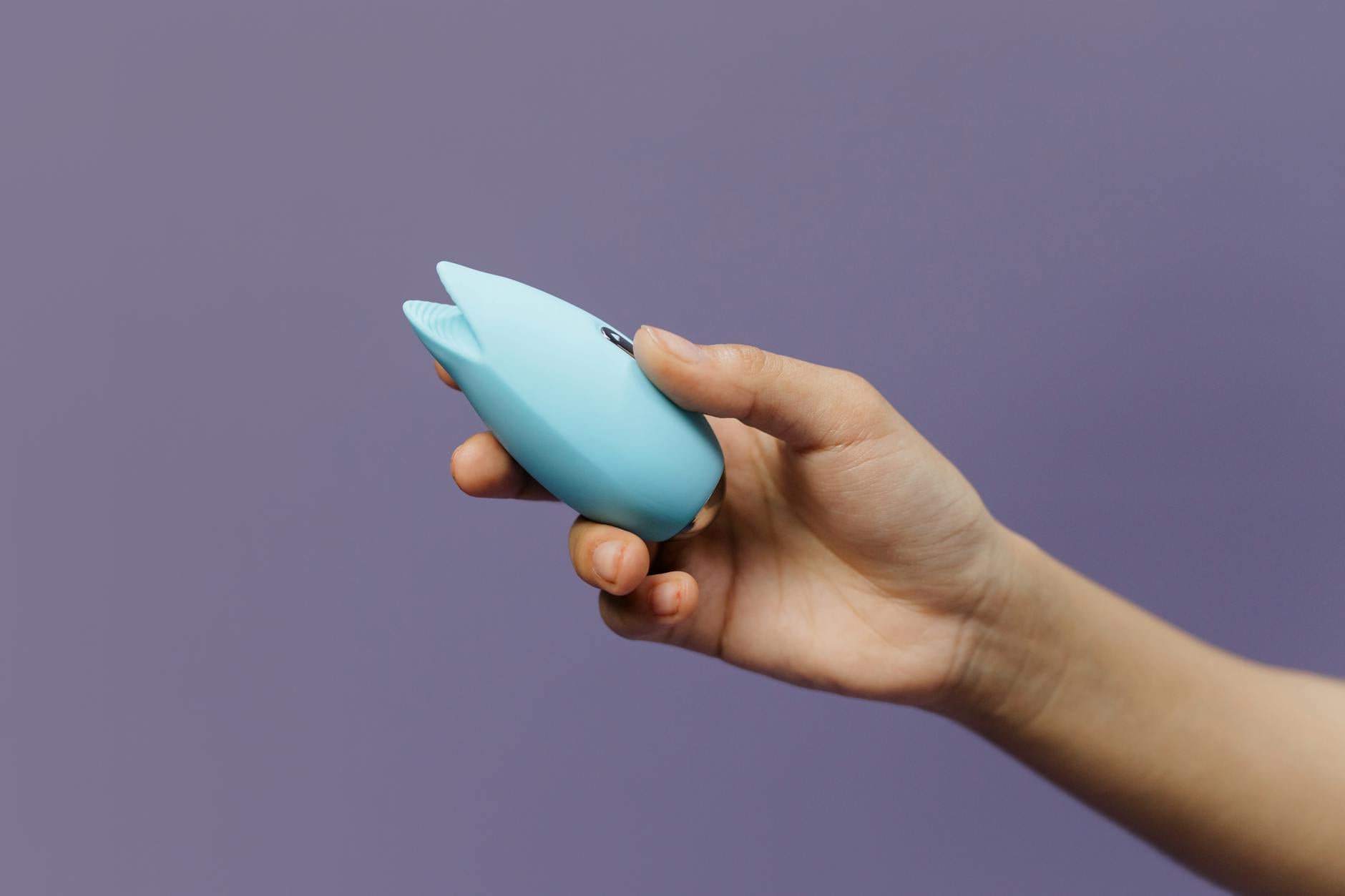
When your vibrator suddenly stops working the way it did
You've had your routine down. You know exactly which pattern on the Lem gets you there, how long it takes, what your body's rhythm is. Then you switch birth control. Maybe you moved from the pill to an IUD, or you tried a new hormonal formula, or you quit hormonal contraception altogether. And suddenly nothing feels right. Your lemon clitoral vibrator feels too intense, or not intense enough, or it just feels completely different in ways you can't quite name.
This isn't placebo. This isn't you getting bored. Your birth control method fundamentally changes how your body experiences pleasure.
Birth control doesn't just prevent pregnancy. It reshapes your hormonal landscape, which rewires how sensation travels through your nervous system, how blood flows to your genitals, and how quickly your arousal builds. Understanding what's happening means you can stop blaming yourself or your vibrator, and start actually enjoying sex again.
How different birth control methods change your hormones (and your pleasure)
Not all birth control is the same. The pill, the patch, the ring, and the shot all deliver systemic hormones that your entire body absorbs. IUDs work differently depending on whether they're hormonal or copper. And if you've stopped hormonal contraception entirely, your hormone levels are now cycling the way nature intended (which, plot twist, can actually make sex feel radically different).
The pill and its cousins (patch, ring, shot). These deliver a steady dose of synthetic estrogen and progestin. The consistency is the point. Your hormones stay relatively flat, which is why many people on the pill report stable mood and predictable cycles. But that flatness also means your body never gets the estrogen surge that happens mid-cycle naturally. That surge is partly what makes orgasms feel sharp and satisfying. Some people switching to the pill notice their clitoral sensitivity drops slightly. Others report that their orgasms feel less intense.
Hormonal IUDs (Mirena, Kyleena, Skyla, Liletta). These release a small amount of progestin directly into your uterus. Systemic absorption is lower than the pill, which sounds like it would mean fewer side effects. But what actually happens is more nuanced. The progestin can suppress ovulation for some people and not others. Your estrogen levels stay higher than on the pill in many cases, which some people experience as increased sensitivity. Others report the opposite. The unpredictability is the frustrating part.
Copper IUDs. These don't use hormones at all. If you've switched from a hormonal method to copper, your hormones now cycle naturally for the first time in years (or ever, if you started the pill young). That return to a natural cycle often makes pleasure feel sharper and more variable across your month. Some days your lemon vibrator will feel amazing. Other days it'll feel underwhelming. That variance isn't a bug. It's your body working the way it was designed to.
Why sensation actually changes
Here's the chain reaction.
Birth control changes estrogen and progestin levels. Those hormones control blood vessel function, vaginal lubrication, and the thickness and elasticity of vaginal tissue. They also affect how sensitive your clitoris is and how quickly blood rushes to it during arousal. When you switch methods, those hormone levels shift. The tissue responds. The nerve sensitivity responds. Suddenly, the sensation you've been used to doesn't feel the same anymore.
On the pill: Your estrogen is steady but lower than the natural mid-cycle peak. This means slightly less genital blood flow and a thinner vaginal wall. Penetration sometimes feels different. Clitoral sensation can feel muted. Orgasms might take longer to build.
On a hormonal IUD: The progestin is localized, but some still enters your bloodstream. Your estrogen is often higher than on the pill. Some people experience increased clitoral sensitivity. Some report that they feel arousal more quickly. The trade-off is that some people also experience heavier periods (if you're not someone whose IUD stops bleeding altogether) or spotting, which can actually make sex feel logistically harder.
On copper or off hormonal contraception entirely: Your hormones now cycle the way they did before any intervention. That means you're getting the natural estrogen surge around ovulation. That surge makes everything more sensitive, more lubricated, and more responsive. For the first week or so after ovulation, when progesterone rises, sensitivity often drops again. You'll notice your lemon vibrator feeling different week to week. That's not a problem. That's normal.
The specific ways your vibrator experience shifts
It feels less intense than before. This is common when starting the pill or switching to a higher-progestin formula. The issue is reduced genital blood flow and slightly thinner tissue. Your clitoris is still there, still capable of pleasure. It's just not engorging as quickly or as fully. The fix: start at a lower intensity level than you're used to, give yourself 20-30 minutes instead of 10, and use water-based lube to make up for any lubrication difference. Your body will adjust over three to six weeks. If it doesn't, talk to your doctor about whether a different formula might work better.
It feels painfully intense all of a sudden. This happens less often, but some people on hormonal IUDs or certain pills report that the same vibration that used to be perfect now feels too strong. The issue is usually increased clitoral sensitivity paired with thinner tissue that's more vulnerable to irritation. The fix: move to lower intensity levels, take longer between sessions (your clitoris might need actual recovery time now), and definitely use lubrication. If the intensity issue persists after two weeks, it's worth mentioning to your gynecologist.
It takes forever to get there. This is the most common complaint. Orgasm latency (how long it takes to come) increases on many hormonal contraceptives, especially high-progestin ones. Your arousal is slower to build. That initial buzz you used to feel isn't as immediate. The reason is physiological: less blood flow, less tissue sensitivity, changes in how your nervous system prioritizes genital sensation. The fix: patience and intention. Give yourself more warm-up time. Extend foreplay. Let your clitoris adjust to the sensation before you expect results. Sometimes taking a day or two off and then trying again helps reset the rhythm.
The pattern that worked stops working. You had a favorite rhythm on your Lem, a specific pulse pattern that never failed. Now it does. This often happens when you switch methods because your nervous system is recalibrating. The pattern you loved was optimized for your old hormone levels. Your new hormones are a different substrate. Try working through all the patterns again as if you're exploring for the first time. You'll probably find a new favorite. It might be the same pattern, or it might be different.
What actually helps while you're adjusting
Three things matter more than anything else during the transition.
Give it time. Your body isn't broken. It's adapting. Most people report that sensation stabilizes after three to six weeks on a new method. Some take longer. If you quit birth control, your natural cycle takes about three months to truly settle. Don't make a decision about whether a birth control method is right for you based on the first two weeks of sex.
Use lube like your pleasure depends on it. Because it does. Water-based lube is your friend during hormonal transitions. It compensates for changes in natural lubrication, reduces friction on thinner tissue, and makes the whole experience feel more comfortable. There's no prize for going without.
Slow down and explore your body like it's new. Because hormonally, it kind of is. Stop assuming you know what you like. That knowledge was calibrated for your old hormone levels. Your new hormones are a different operating system. Give yourself permission to experiment. You might discover something you actually like better.
When to talk to your doctor about it
If pleasure-related changes persist after six weeks, or if you're experiencing pain during sex (which is different from just feeling different), mention it to your gynecologist or the clinician who prescribed your birth control. Sometimes the issue is the specific formula. Different pills have different hormone ratios. Sometimes a different IUD works better. Sometimes you need topical estrogen to supplement what your birth control is doing. Don't suffer in silence and assume it's normal.
Also talk to your doctor if your libido has completely vanished, not just changed. Birth control can suppress desire in some people, and that's worth addressing either by trying a different method or by talking through what else might be affecting your interest in sex.
FAQ
Can switching birth control actually kill my sex drive completely?
Yes, but it's less common than you'd think. What's more common is that lemon vibrators and partner sex feel less immediately rewarding, which makes you less likely to initiate. The desire isn't gone. The activation energy just got higher. If you genuinely feel nothing, that's worth discussing with your doctor.
How long does it take to adjust after switching to a hormonal IUD?
Three to six weeks for most people, though some take longer. Your body is literally adjusting to a new hormone dose. That's not instant. Keep your lemon vibrator nearby, but go easy on yourself during the adjustment period.
Will my pleasure ever feel normal again if I switch methods?
Absolutely, but "normal" will be different than before. Your new normal will be calibrated to your new hormone levels. That's not bad. It's just different. Many people find they like their new normal better, once they stop comparing it to the old one.
Is it okay to use my lemon clitoral vibrator more frequently to compensate if it feels weaker?
No. More frequent use won't "train" your sensitivity back. It'll just exhaust your clitoris. If you're in the adjustment period, use your lemon vibrator at the same frequency as before, but be patient. Your sensitivity will return to normal (for your new normal) without extra effort.
Can I switch birth control methods back if the new one ruins my sex life?
Yes, but give yourself at least three months on any method before deciding it's not working. Your body needs time to adjust. If you're genuinely miserable after three months, talk to your doctor about trying something different.
Does switching off hormonal birth control actually make sex feel better?
For some people, absolutely. Your hormones cycle naturally again, which brings back mid-cycle sensitivity surges. For others, the return of a normal cycle comes with heavier periods, more cramps, or other complications that actually make sex harder to enjoy. Neither outcome is universal.
The real conversation
Birth control is a trade-off. You're trading a predictable cycle and pregnancy prevention for some version of how your body responds to pleasure. That trade-off looks different for everyone. Some people would take slightly muted sensation in exchange for not being terrified of pregnancy. Others would prefer their natural cycle even if it means more logistics around contraception.
What matters is that you know what the trade-off is, so you can make an informed decision. If your lemon vibrator suddenly feels different after switching birth control, you're not broken. Your body is just running on different firmware. Give it time, use lube, and be patient with yourself. Your pleasure will recalibrate.
If you have questions about how your specific birth control choice might affect your sex life, your gynecologist should be able to have that conversation with you. If they brush it off or act like your pleasure doesn't matter, find a different doctor. You deserve to enjoy sex on whatever birth control you're using. That's not a luxury. That's baseline.
Want to talk through your specific situation? We're here to help. Get in touch with any questions about navigating pleasure changes during hormonal transitions.