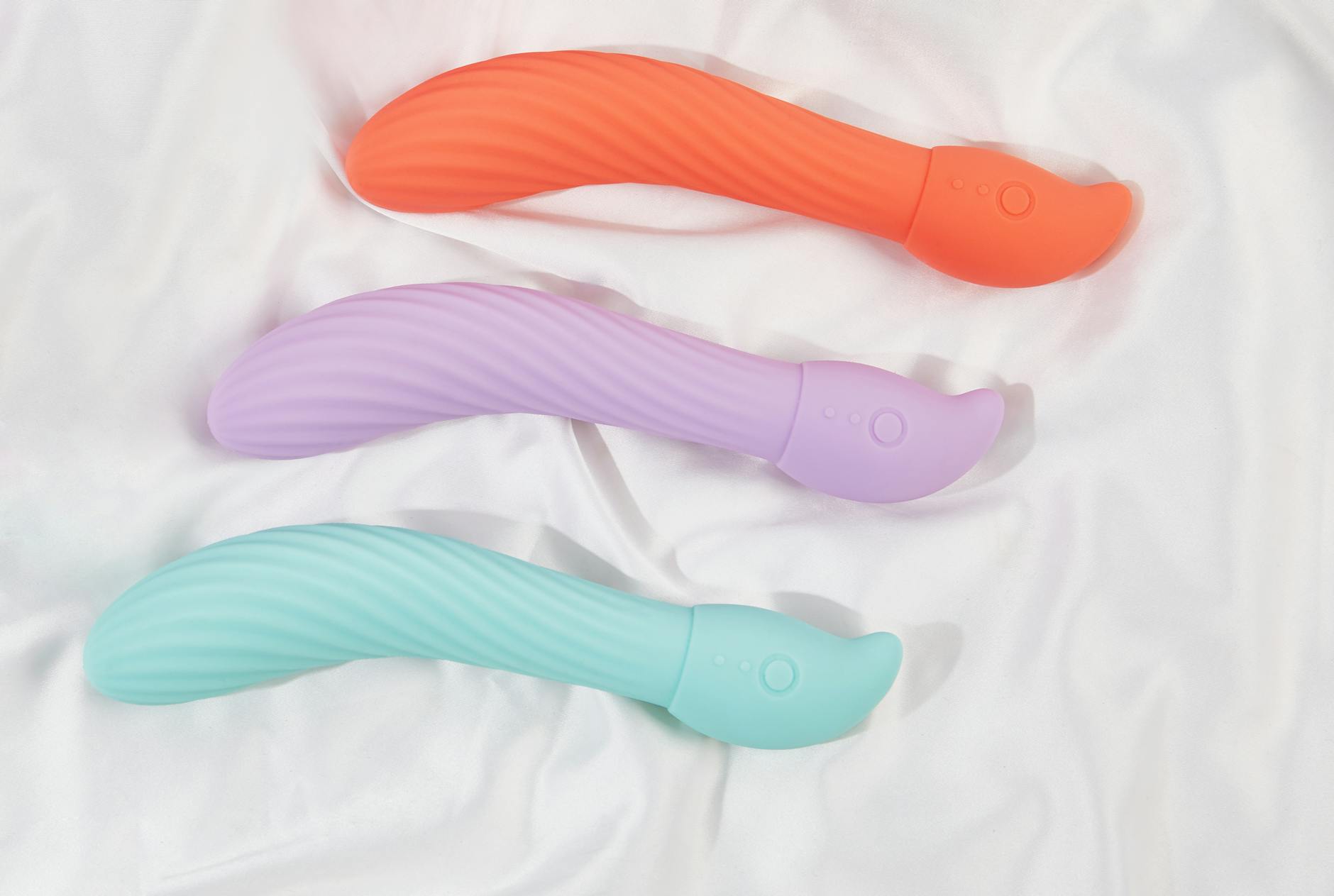
Why Lemon Vibrators Feel Different When Hormones Shift
Honestly, the most common question I hear from people using lemon clitoral vibrators isn't "How do I use it?" It's "Why doesn't this feel the same as it did last month?"
That shift is real. And it's not a sign that your body is failing you. It's just your hormones rewriting the rules.
The hormonal blueprint for arousal
Let's talk about what's actually controlling your sensitivity and response to stimulation. Estrogen isn't just about fertility. It directly affects blood flow to the clitoris, tissue thickness, and nerve sensitivity. Progesterone acts like a brake pedal on arousal. Testosterone, which everyone produces regardless of sex, is the accelerator for desire and clitoral responsiveness.
When these three hormones are in conversation with each other, your body has an optimal rhythm. A lemon vibrator or any clitoral vibrator feels the way it's supposed to feel. But the moment one of them dips, surges, or falls out of sync, everything changes.
The sensitivity that made week two of your cycle feel electric? That's high estrogen plus rising testosterone. The week where nothing feels quite right no matter what you do? That's typically progesterone dominance and low estrogen at the same time.
Why your lemon vibrator suddenly feels too intense
Progesterone peaks right before your period starts, and it genuinely dampens arousal. Your clitoris doesn't become less responsive because it's weak or broken. It becomes less responsive because progesterone is literally suppressing neural signals. The same vibrator that felt perfect last week can feel too strong, almost irritating.
You might also notice that you need more time to warm up. That's not laziness or lack of attraction to your partner. That's physiology. Low estrogen means less blood flow to the clitoris, so arousal takes longer to build. A lemon sucker or other clitoral vibrator requires more foundational stimulation before it hits right.
Many people respond by thinking they're doing something wrong or that their body has changed permanently. What's actually happening is that they're in a different phase of their cycle and need a different approach.
When your lemon vibrator feels numb or distant
This one catches people off guard because it feels like the opposite problem. You're excited, you settle in, and suddenly the sensation is muted. The clitoris feels less reactive, like you're touching yourself through a layer of gauze.
This happens most often in the luteal phase, when progesterone is high and estrogen is dropping. It also happens to people on hormonal birth control, where synthetic hormones keep you in a steady state that doesn't replicate natural peaks and valleys.
The solution isn't to go harder. I know that's the instinct. But increasing intensity when sensation is already muted doesn't unlock feeling. It just leaves you exhausted and frustrated. Instead, shift the pattern. If you usually use a steady pulse, try a pattern with more rhythm variation. If you usually use medium intensity, try low intensity but with longer warm-up time.
How birth control changes what you feel
Hormonal birth control is a complete game-changer for clitoral sensitivity, and most people don't realize it until they switch methods or stop taking it.
Combined oral contraceptives (the pill) keep your hormones artificially flat. You don't get the natural surge of estrogen and testosterone that creates that peak arousal window. Some people love this because pleasure becomes more consistent and predictable. Others feel like their baseline sensitivity has dimmed.
Different formulations hit differently. A pill with higher estrogen content might feel more pleasurable than a low-dose option. An IUD that doesn't deliver hormones systemically often allows your natural cycles to return, which some people describe as "getting their body back."
If you've switched methods and your lemon vibrator suddenly feels off, give it two to three months. Your body and nervous system need time to recalibrate to a new hormonal regime.
The PCOS and endometriosis factor
If you have PCOS, your testosterone is often elevated compared to people without the condition. This can mean that you experience higher baseline arousal and clitoral sensitivity. Many people with PCOS report that clitoral vibrators, including lemon sexual toys, feel differently than they do for their peers without the condition. Usually more reactive, sometimes more intense.
Endometriosis comes with its own complications. The condition itself can cause pelvic floor tension, which interferes with nerve signaling. Hormonal treatments for endo (like continuous-cycle pills or progesterone-only options) also flatten arousal in ways that feel similar to standard contraception.
If you're managing either condition, your lemon clitoral vibrator experience is going to be unique to your body. That doesn't mean something's wrong with you. It means you might benefit from working with your cycle awareness or keeping notes on what settings and patterns work best during different times.
Talking to your partner when things feel different
If you're in a relationship, hormonal shifts to your response can feel confusing to both of you. Your partner might interpret a change in arousal as a sign they're less attractive to you. You might interpret it as a sign something's wrong with your body. Both are missing the actual story: your hormones are just doing their job.
The conversation that helps most is separating the two topics. "My body is responding differently to stimulation right now" is different from "I'm not attracted to you" or "I don't want this anymore." If you can make that distinction clear, your partner can stop taking it personally and start working with you.
Some practical things to suggest: longer foreplay during the luteal phase, when arousal takes longer to build. Trying different vibration patterns or intensities depending on the time of your cycle. And honestly, sometimes just using a lemon vibrator alone first to figure out what your body needs, then sharing that information with your partner.
When to get professional help
If your arousal has flatlined completely, even accounting for cycles and hormones, that's worth mentioning to a doctor or therapist. Sometimes a shift in medication, stress, or relationship dynamics is the real culprit, not hormones.
If you're experiencing pain or significant discomfort with clitoral stimulation that's new or getting worse, that's also worth flagging. Conditions like genitourinary syndrome of menopause or vulvodynia can make even gentle vibration feel painful, and both are treatable.
And if you're on a new medication, hormonal treatment, or dealing with a new health condition, give yourself permission to spend a few weeks getting to know your body again. The lemon sucker or clitoral vibrator you knew before might feel completely different, and that's okay. You're not broken. You're just adjusting.
Rebuilding connection with your body through cycles
Instead of fighting your hormonal shifts, you can work with them. Track when your arousal peaks and when it dips. Notice which vibration patterns work best during different phases. You might discover that the "perfect" setting changes week to week, and that's not a flaw. That's your body talking.
Many people who start paying attention to their cycle also report that they rediscover desire and pleasure in new ways. The week when everything feels numb? Maybe that's the week for longer sessions, more foreplay, different patterns. The week when you feel like you could climax from a gentle breeze? That's your peak. You can plan for it, look forward to it, or just let it surprise you.
Your lemon vibrator isn't failing you. Your body is exactly as it should be. The two of you just need to learn each other's language again.
People also ask
Why does my lemon vibrator feel intense during certain times of the month?
That's typically the follicular phase, when estrogen and testosterone are rising. More blood flow to the clitoris plus higher neural sensitivity means even gentle vibration feels stronger. It's not that the vibrator changed. It's that your body is more receptive right now. If it feels overwhelming, try a lower intensity or a pattern with less constant stimulation.
Can birth control permanently change how my clitoris responds to vibrators?
No, but it can change it while you're taking it. Hormonal birth control keeps your system in a steady state that doesn't match your natural cycle. When you stop, your sensitivity patterns usually return to baseline, though it can take two to three months. If you switch to a different type of birth control, you might notice another adjustment period. That's normal.
Does the luteal phase make orgasms harder to achieve with a lemon clitoral vibrator?
Yes, typically. Progesterone suppresses arousal signaling, and estrogen is lower, which means less blood flow to clitoral tissue. Orgasms are often harder to reach and may feel less intense. This isn't dysfunction. It's just a different phase requiring a different approach. More warm-up time, different patterns, and patience usually help.
Is it normal for my lemon vibrator to feel numb on certain days?
Completely normal. This usually means you're in a phase of your cycle or on a medication that's reducing clitoral sensitivity. Progesterone dominance and low estrogen both dim sensation. Try adjusting your warm-up time, switching vibration patterns, or simply accepting that today might not be the day for it. Your body isn't broken. It's just in a different mode.
How can I track which vibration patterns work best with my hormones?
Keep simple notes: day of cycle, intensity level used, vibration pattern, and how it felt. After a few months, patterns emerge. You might notice that pulse patterns work better during the luteal phase, while steady vibration works better during the follicular phase. This becomes your personal map for pleasure.
Can estrogen therapy change how my clitoral vibrator feels?
Absolutely. Estrogen therapy can restore blood flow and tissue thickness, making clitoral sensation more responsive. If you're considering hormone therapy for any reason, it's worth knowing that it can significantly change your sexual response. Talk to your doctor about timing and dosage if pleasure and sensation are important factors for you.
Your hormones aren't working against you. They're just writing a new chapter every month. The key is learning to read it. Whether you're using a hello nancy lemon vibrator or exploring lemon sexual toys for the first time, understanding your cycle takes the pressure off and puts the pleasure back where it belongs. In your hands.