Why Lemon Vibrators Work Better for Sensitive Clitoral Tissue
Let's be real. If you've ever used a traditional vibrator and felt like the sensation was too intense, too abrasive, or just plain uncomfortable, you're not broken. Your clitoris is exquisitely sensitive, and the device you're using might just be working against your body instead of with it.
That's where lemon vibrators change everything. They're not just another toy trend. They're built on genuinely different anatomy.
The problem with friction-based vibration
Most vibrators work the same way: they buzz rapidly against your skin, usually with direct contact and significant friction. For some people, this feels amazing. For others, it feels like someone's dragging a jackhammer over tissue that's already sensitive enough.
Here's the anatomical reason: your clitoris has about 8,000 nerve endings concentrated in a tiny area. It's the most sensitive erogenous zone on a human body. That density of sensation is incredible when it's stimulated the right way. But it also means that too much friction, too much vibration frequency, or too much direct pressure can cross from pleasure into numbness or irritation fast.
Traditional vibrators also tend to overstimulate the surface, which can cause that numb, tingly feeling where you lose sensation entirely. You end up chasing the feeling, cranking up intensity, and then needing even more intensity to feel anything. It's a dead end.
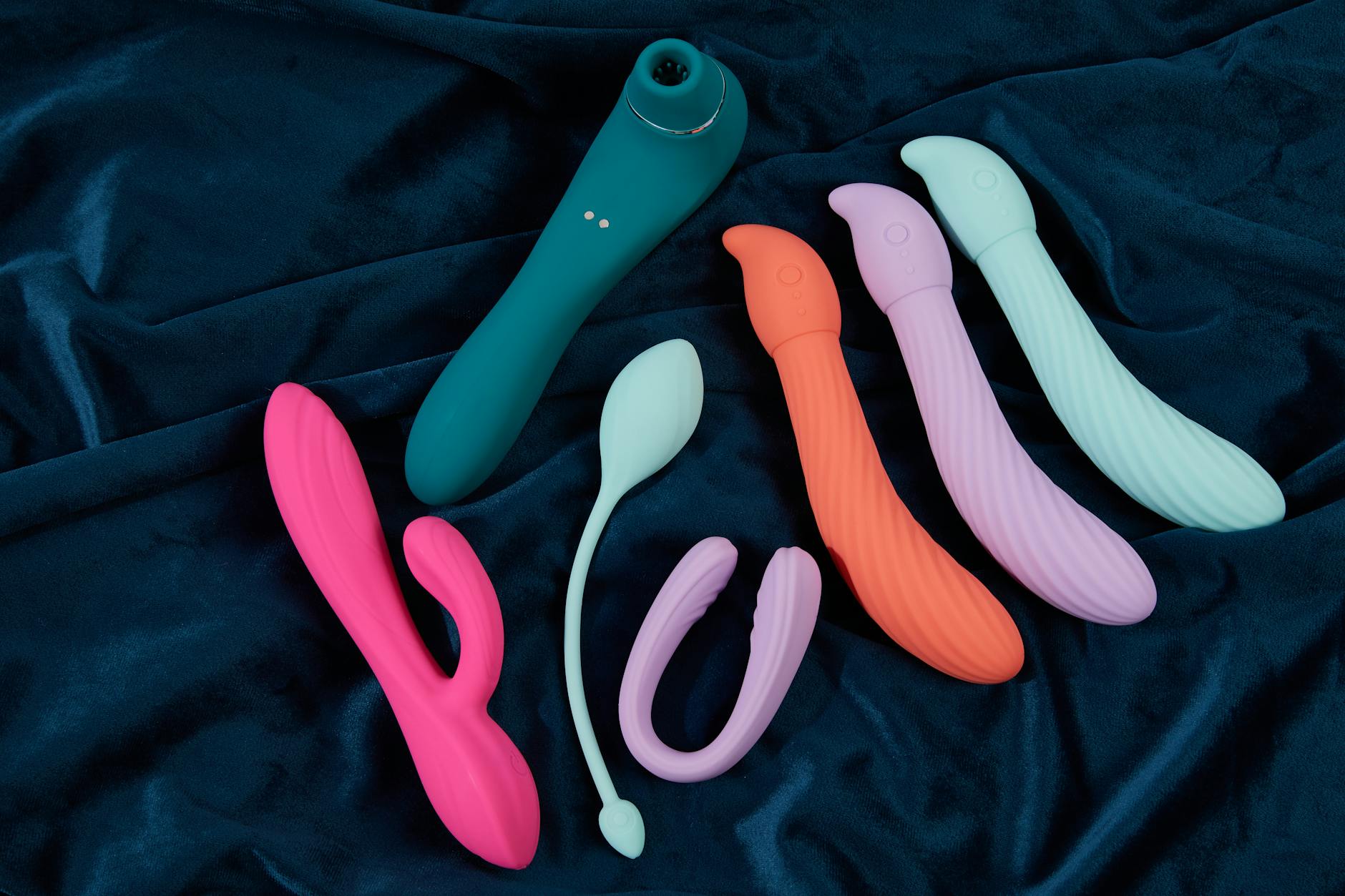 Photo by IFONNX Toys on Pexels
How air-pulse lemon vibrators actually work
Lemon clitoral vibrators, and specifically air-pulse toys like the Lem, use a completely different mechanism. Instead of vibration, they use gentle pulses of air that create a suction effect around the clitoris.
Think of it less like a vibrator and more like a soft kiss that's rhythmic and responsive. The sensation builds from the outside in rather than blasting directly at the tissue. There's no friction. There's no raw vibration. There's just a consistent, building pressure that the clitoris responds to naturally.
This changes everything because the stimulation hits different nerve pathways. Instead of fatiguing surface nerves with vibration, air-pulse technology engages deeper sensory responses. Most people report that orgasms from air-pulse toys feel fuller, longer, and less like a sudden release and more like an actual wave of sensation.
For people with sensitive tissue, this is often the first device that doesn't leave them feeling raw afterward or require a cool-down period before they can enjoy touch again.
Why lemon vibrators specifically suit sensitive tissue
The design of a lemon vibrator (the compact, handheld shape) matters as much as the technology inside. Because it's smaller and more precise, you have total control over where the suction is happening. You're not pressing a large surface against yourself. You're directing targeted stimulation exactly where you want it.
That precision also means you're not accidentally over-stimulating surrounding tissue. The sensation stays contained and controlled, which is huge if you bruise easily or if direct pressure has ever caused discomfort.
Another thing people don't talk about: traditional vibrators get hot with extended use. The motor heats up, the toy heats up, and if you're using it for longer sessions, that heat can actually irritate delicate tissue. Air-pulse lemon clitoral vibrators stay cool because they're not friction-based. Your tissue stays comfortable even during longer play.
The intensity question (it's not what you think)
When people hear "air-pulse" instead of vibration, they often assume it's less intense. That's not accurate. It's differently intense. A lemon sucker can deliver orgasms that feel more full-bodied and sustained than traditional vibrators can, even though the mechanism feels gentler.
What changes is that you're not racing toward numbness. You're building sensation over time. Most people find that they need fewer intensity settings on an air-pulse toy and that lower settings feel more satisfying than the highest settings on a traditional vibrator.
This matters especially if you're someone who's been told you're "hard to orgasm" or that you have a "high threshold." Often what's actually happening is that traditional vibrators numb you out before you can build real arousal. An air-pulse lemon vibrator lets arousal accumulate rather than sputter out.
Sensitive tissue and lubrication
If your clitoris is sensitive, it's often because the skin is thinner, drier, or more easily irritated. This is completely normal and becomes more common as we age or with hormonal shifts.
With traditional vibrators, you often add lubrication to protect tissue, but lube can make friction worse and sometimes makes the vibration feel slick and unpredictable. With a lemon clitoral vibrator, lubrication becomes optional rather than essential. Most people find that the suction creates its own seal and the rhythm feels smooth without any lubricant at all.
If you do want to add lube, you can. Water-based lubricant works perfectly and doesn't interfere with the suction sensation. But you won't feel like you need to use it as a buffer between yourself and an uncomfortable toy.
What sensitive tissue actually needs
Beyond the device itself, there are a few things that support sensitive clitoral tissue:
Warm-up time matters. Sensitive tissue responds better when you're already aroused. Spend time on non-genital touch first, build some mental engagement, and let blood flow to the area naturally before introducing any toy.
Positioning changes sensation. The angle at which you use a lemon vibrator affects how the suction feels. Experiment with different positions. You might find that tilting slightly or adjusting your angle completely changes how the sensation registers.
Recovery is real. If you've been using traditional vibrators and they've left you feeling numb or raw, your tissue needs a break. Give yourself a few days without any clitoral stimulation, and you'll often find that sensation comes back and feels sharper. That's healing.
Consistency helps. Once you find a lemon vibrator rhythm that works for you, stick with it for a few sessions. Your nervous system learns the pattern, and the sensation becomes more refined, not less.
The mental component (it's huge)
Here's something that doesn't get enough attention: pleasure is partly physical and partly neurological. If you're anxious about discomfort or worried that you're going to go numb, that anxiety actually reduces pleasure.
When you switch to a device designed for sensitive tissue, you can relax into the experience instead of bracing against it. That mental shift alone often changes what's possible for you. You're not managing pain or numbness. You're exploring sensation. That's a completely different headspace.
For couples, this also matters. Partners often feel helpless if stimulation has been uncomfortable. Using a lemon clitoral vibrator can actually rebuild confidence and pleasure in partnered sex because both people feel less anxious about what's going to happen.
When to see someone (and when you don't need to)
If you've always had sensitive tissue and it doesn't hurt, you don't need to see a doctor. Sensitivity is normal variation, not a problem to fix. An air-pulse lemon vibrator is often the exact tool you've been looking for.
If you've developed new sensitivity, pain during any stimulation, or if you're noticing changes related to hormonal shifts, talking to a gynecologist is worth it. They can rule out anything that needs treatment and often have suggestions that pair well with device choices.
But honestly? Many people who think they have a problem just need the right tool. And for sensitive clitoral tissue, an air-pulse lemon sucker is often that tool.
FAQ: Lemon Vibrators and Sensitive Tissue
Are lemon vibrators actually quieter than traditional vibrators?
Yes. Because they use air pulses instead of a motor creating vibration, lemon sucker toys are significantly quieter. This matters if you share space with others or just don't want to announce what you're doing. The sound is more like a soft humming than a loud buzz.
Can you use a lemon clitoral vibrator if you've had numbness from other toys?
Often yes, and sometimes it's the first device that doesn't cause numbness. The mechanism is different enough that it engages your nervous system differently. That said, give your tissue recovery time first. If you've been numb, take a week off from any clitoral stimulation, then try an air-pulse toy at low intensity.
How long do orgasms from a lemon vibrator typically last?
This varies by person, but most people report that air-pulse orgasms feel longer and more sustained than vibration-based ones. Instead of a sudden spike and release, you get more of a rolling wave sensation. Some people experience multiple smaller peaks instead of one big one. Both are totally normal.
Is a lemon sucker good for beginners with sensitive tissue?
Absolutely. In fact, if you're starting out and you know your tissue is sensitive, an air-pulse toy is often better than a traditional vibrator. You avoid the numbness and overstimulation issues that can make early exploration feel discouraging. You get to build a positive relationship with your own pleasure without discomfort getting in the way.
Can you use a lemon vibrator with a partner during sex?
Yes. The compact, handheld design of lemon clitoral vibrators makes them partner-friendly. They fit easily into partnered play without getting in the way or creating awkwardness. Some people find that the stimulation from an air-pulse toy during penetrative sex creates sensations that feel completely different than anything either partner experienced alone.
Do you need special cleaning or care for lemon clitoral vibrators?
No more than any other toy. Warm water and mild soap before and after use, or a dedicated toy cleaner. Most air-pulse toys are waterproof, so you can clean them thoroughly. Let them air dry completely before storing. Keep them away from extreme heat. That's it.
The bigger picture
Sensitive tissue isn't a flaw. It's information. Your clitoris is telling you what kind of stimulation actually works for your nervous system. Most sex toys are designed for a average body and average sensitivity. When you find a device that matches your actual tissue and your actual nervous system, everything shifts.
A lemon vibrator isn't magic. But it is specifically engineered for people whose tissue doesn't tolerate friction well. If that's you, trying an air-pulse toy might be the most practical thing you do for your pleasure this year.
Your sensitivity deserves a device designed to honor it, not overcome it. That's what lemon clitoral vibrators do. And that's why they work so much better for so many people.
If you're curious about trying one, Hello Nancy offers the Lem, a precision air-pulse toy designed exactly for this reason. You can also explore our complete guide to lemon vibrators for more detailed comparisons and buying advice.
Your pleasure matters. Your comfort matters. Both are possible at the same time.