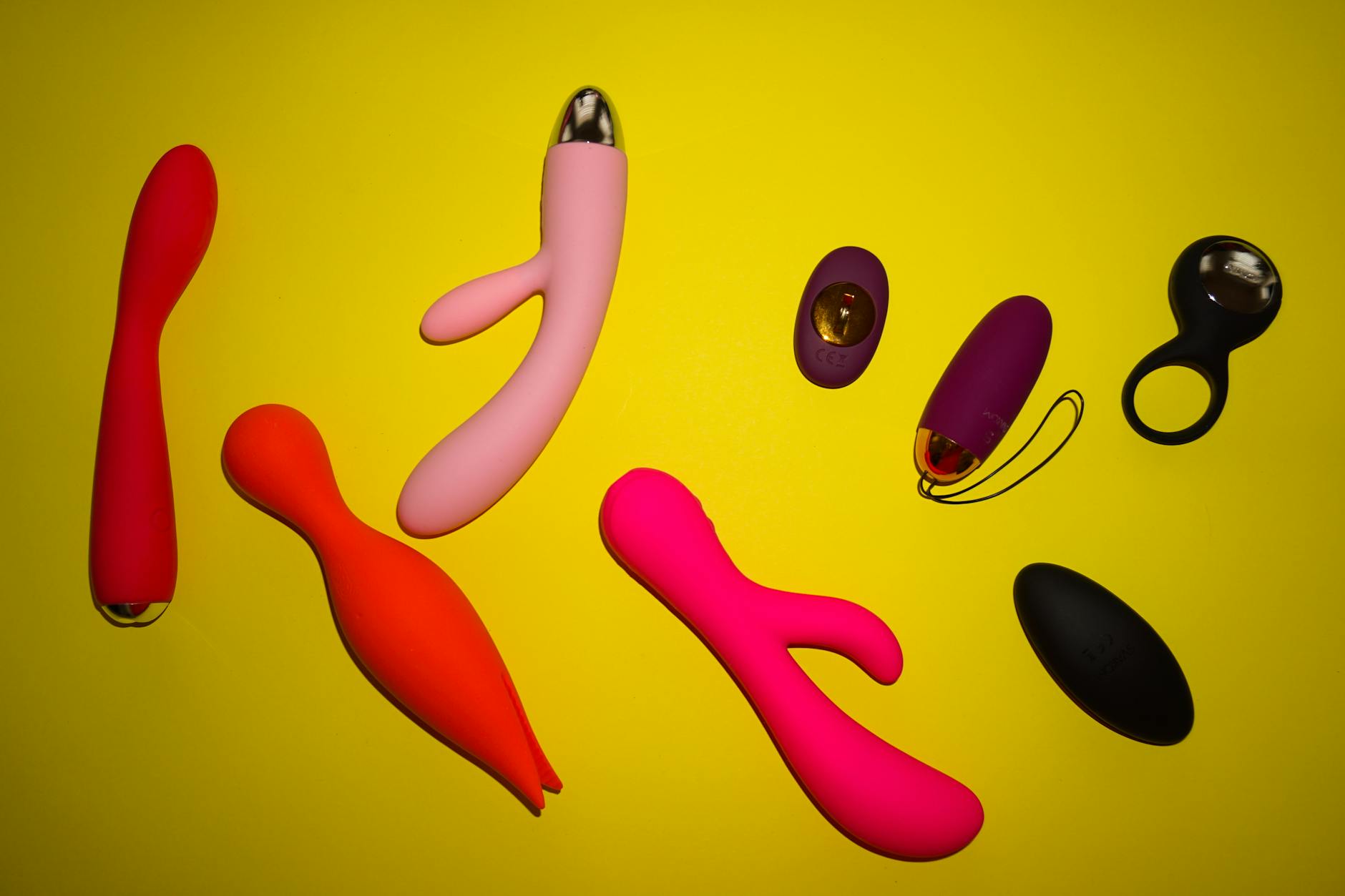
Let's start with what you probably already know
Vibrators are everywhere. Buzz vibrators, wand vibrators, egg vibrators. You've likely tried at least one, and you know what a traditional vibrator does. But here's what most people don't realize: not all pleasure devices work the same way neurologically. A lemon clitoral vibrator operates on a completely different principle than a standard vibrator, and that difference changes which nerve pathways light up and how intense the sensation feels.
I see this play out in my practice constantly. Someone has used the same buzz vibrator for years, gets curious about a lemon sucker, tries it, and suddenly reports orgasms that feel sharper, faster, or somehow "different" in ways they didn't expect. That's not placebo. That's neurology.
How traditional vibrators stimulate the clitoris
A standard vibrator works through repeated mechanical oscillation. The device vibrates back and forth at a set frequency, usually between 20 and 100 hertz. This creates a buzzing sensation that stimulates the thousands of nerve endings across the clitoral surface. The stimulation is relatively consistent. You press it against your body, it vibrates, the pressure and frequency stay stable.
That approach is effective. Millions of people have had orgasms this way. But it relies entirely on direct mechanical friction and vibration. If you have a lower pain threshold, hypersensitivity, or if you've been using the same vibrator for years and built up tolerance, that steady buzz can feel either too intense or not intense enough. There's limited room for variation within that single mechanism.
Traditional vibrators also tend to cause a specific kind of numbness over time. The continuous micro-vibrations can desensitize the clitoral tissue, meaning you need longer warm-up or higher intensity to feel the same effect. I've worked with countless people who thought they had a pleasure problem when really they just needed to switch technologies.
How lemon vibrators (air-pulse suction) work differently
A lemon clitoral vibrator from Hello Nancy works on an entirely different principle. Instead of vibrating, it uses air-pulse suction technology. The device creates a gentle seal around the clitoris and then pulsates air in and out. This mimics the sensation of oral suction, but in a controlled, programmable way.
Why does that matter? Because suction activates different nerve receptors than vibration does. The clitoris has two main types of nerve endings that respond to pleasure: mechanoreceptors that feel pressure and texture, and ones that respond to suction and gentle compression. A lemon vibrator targets both, but suction engages them in a different pattern and intensity profile than a buzz vibrator.
The other key difference: suction creates a sensation of gentle pulling and releasing, rather than back-and-forth friction. That means less direct abrasion on sensitive tissue. For people with thinner clitoral tissue, hypersensitivity issues, or post-menopausal anatomy, this can feel dramatically better. No burning, no rawness, no need to numb yourself before use.
The intensity difference
Here's where people often notice the biggest change: the orgasm intensity. Users of lemon clitoral vibrators often report that orgasms feel sharper and arrive faster. This isn't just anecdotal. Suction technology concentrates stimulation in a more focused area, which can create a "stacking" effect. The pleasure builds more rapidly because you're creating pulses of suction rather than a steady vibration.
With a traditional vibrator, you might need 10 to 15 minutes to reach orgasm and the intensity plateaus at a certain level. With a lemon sucker, many people reach orgasm in 5 to 8 minutes, and the sensation feels more concentrated, almost like a sudden rush rather than a gradual build.
That's not better or worse. Different people want different things. But if you've spent years trying to orgasm with traditional vibrators and getting frustrated, switching to suction-based technology can feel like discovering a completely new way your body works.
Which technology is right for your body
Choosing between traditional vibrators and lemon sexual toys comes down to a few factors. First, your clitoral sensitivity. If you've ever felt a traditional vibrator as too intense or numbing, suction is worth trying. The gentler pressure means you can use it longer without discomfort.
Second, how quickly you want to reach orgasm. If you're looking for faster, more intense responses, air-pulse suction typically delivers that. If you prefer a slower build and more sustained pleasure, a traditional vibrator might still be your preference.
Third, whether you've hit a sensitivity plateau. Many long-term vibrator users eventually notice diminishing returns. Switching to a different stimulation method (suction instead of vibration, or vice versa) resets your nerve response. It's like your nervous system remembers vibration patterns and stops responding as dramatically. Introducing lemon clitoral vibrators can break that cycle.
Finally, your tissue health. If you have inflammation, sensitive skin, or post-menopausal thinning, you might find traditional vibrators irritating while suction feels luxurious. The reduced friction is medically gentler on vulnerable tissue.
The science of why this matters for pleasure
Your clitoris is essentially the most sensitized piece of tissue on your body. It contains roughly 8,000 nerve endings, all designed to transmit pleasure signals to your brain. But those nerves aren't all the same. Some respond to sustained pressure, some to rapid vibration, and some specifically to suction and gentle compression.
A lemon vibrator from Hello Nancy activates a broader range of those nerve types simultaneously. Vibration plus suction plus air pulsation creates a more complex sensory input than vibration alone. Your brain processes that complexity as more intense pleasure. It's why people often describe suction orgasms as "fuller" or "deeper" even though the device isn't physically deeper inside you.
When you add in the psychological component (knowing you're using a different technology, having novelty, feeling like you're discovering something new), that sensory complexity intensifies further. Your pleasure is partly neurological and partly psychological. Lemon clitoral vibrators engage both.
Combining both technologies
You don't have to choose one or the other. Many people keep a traditional vibrator and a lemon sucker in rotation. Starting with a buzz vibrator during partnered sex, then finishing with a lemon clitoral vibrator solo. Or alternating weeks. The variation itself is pleasurable and prevents your nervous system from adapting to a single stimulus.
If you're in a situation where you and a partner have mismatched preferences about vibration intensity or speed, using both technologies can actually help. They create fundamentally different sensations, so there's a better chance of finding something that works for everyone.
Starting out if you've only used traditional vibrators
If you're curious about lemon vibrators but have only used standard buzz vibrators, start on the lowest setting. The suction sensation might feel unfamiliar or even uncomfortable initially if your clitoris is used to direct vibration. Give yourself permission to spend 2 to 3 sessions just exploring the feeling without the goal of orgasm.
Use plenty of moisture, whether that's natural lubrication or water-based lube. Air-pulse devices work better when there's adequate moisture to create a good seal. And don't rush into higher intensity. One of the benefits of suction technology is that lower settings feel more interesting than lower settings on buzz vibrators. You might find your sweet spot at level 2 or 3 rather than needing to jump to level 5.
Most importantly, let your body reset. If you've been using traditional vibrators heavily and built up numbness, taking a week or two off completely before switching to lemon sexual toys can help your nerve sensitivity rebound. I recommend this pause to nearly every client who's hit a pleasure plateau.
The practical advantage: less numbing, longer use
One fact worth hammering home: you can use a lemon clitoral vibrator for longer without developing that numb, desensitized feeling. Traditional vibrators, especially at higher intensities, can numb your clitoris after 20 to 30 minutes. That numbness can actually block orgasm if you go too long.
With suction technology, that numbness tends to happen more slowly or not at all. People report being able to use their lemon sucker for 40 to 45 minutes comfortably, whereas the same session with a buzz vibrator would leave them feeling raw or numb.
That's not just comfort. That's pleasure capacity. The longer you can stay in a state of building intensity without numbing out, the richer the experience.
FAQs: Your actual questions about lemon vibrators versus traditional vibrators
Why do lemon vibrators feel more intense if they use less direct pressure?
Intensity isn't purely about physical pressure. Suction creates a focused, pulsating sensation that concentrates all the stimulation in one area, whereas vibration spreads the sensation across a wider surface. That concentration, combined with the novelty of a different sensation pattern, signals to your brain as heightened intensity. It's the same reason a single sustained note feels more intense than a drumroll at the same volume.
Can I damage my clitoris with a lemon vibrator if I use it too much?
Yes, but it's less likely than with traditional vibrators at high intensities. Suction creates less direct friction, so the tissue damage risk is lower. That said, overuse of any stimulation tool can cause inflammation or temporary numbness. If you're using your lemon sucker daily for over an hour, scale back to 4 to 5 times per week. And take a full rest day at least once a week. Let your tissue recover. If you notice pain, stop immediately and rest for a few days.
Will switching to a lemon clitoral vibrator make my buzz vibrator stop working?
Not permanently. Your nervous system is adaptable. If you take a 1 to 2 week break from any stimulation, both traditional vibrators and lemon vibrators feel fresh again. But within a single session, yes, switching from a lemon vibrator to a buzz vibrator might feel less intense because you've just experienced more focused stimulation. Give your clitoris 15 to 20 minutes to reset between switching devices.
Do lemon vibrators work for people with highly sensitive clitorises?
Often better than traditional vibrators. The gentler air-pulse sensation and lower friction make them ideal for hypersensitivity. Start at the absolute lowest setting and work up slowly. Many people with sensitivity issues find they can use a lemon sucker comfortably whereas buzz vibrators feel painful. If you do have deep sensitivity issues, pairing your lemon vibrator with a topical numbing product designed for that purpose (check safety first) or using it during specific points in your menstrual cycle when sensitivity is lower can help.
Is there a learning curve with suction vibrators?
Yes, but it's short. The first session might feel strange. Your clitoris is used to vibration, not suction, so the sensation registers as unfamiliar. By the third or fourth session, your body usually adjusts and the pleasure ramps up. Don't judge a lemon clitoral vibrator based on the first use. Give yourself at least 3 tries before deciding it's not for you.
Can you use a lemon vibrator with a partner?
Absolutely. Many partners enjoy using a lemon sucker on a partner during partnered sex. It's slightly less intimidating than a buzz vibrator for some people because the sensation is quieter and feels more like manual stimulation. Just communicate about intensity, take breaks, and remember that sensation tolerance is individual. What feels amazing to one person might feel too intense for another.
The bottom line
Lemon clitoral vibrators and traditional vibrators are tools that work through different biological mechanisms. Neither is objectively better. But if you've been using the same buzz vibrator for years and pleasure has plateaued, or if traditional vibrators have ever felt too intense or numbing, switching to air-pulse suction technology could genuinely change your experience.
Your body deserves variety. Nerve endings are hardwired to respond more to novelty and complexity. That's not weakness. That's how pleasure works. If you're curious, try it. The worst that happens is you learn something new about what your body likes. The best thing that happens is you discover an entirely different way to feel good.
Have questions about choosing between devices, or want to talk through what might work for your specific body? Reach out to us at Hello Nancy. We're here to help.