
Here's the thing about hypersensitive clitorises
Your clitoris is supposed to feel good when touched. When it doesn't, when even gentle contact feels sharp or painful instead of pleasurable, something's gone sideways. And you're not alone. Hypersensitivity of the clitoris is wildly common, often misunderstood, and almost always fixable with the right approach.
The sensation you're experiencing isn't weakness or damage. It's typically your nervous system in protective mode, firing pain signals when it should be firing pleasure signals. Understanding why this happens is the first step to rewiring it.
Why your clitoris becomes hypersensitive
Think of hypersensitivity as your clitoris's threat-response system working overtime. Several things can trigger this:
Repetitive intense stimulation. Using the same toy at the same intensity every time can exhaust the sensory neurons. Your nervous system essentially says, "Okay, this is too much," and starts treating normal sensation as a threat.
Hormonal fluctuations. Estrogen affects tissue thickness and nerve sensitivity. Fluctuations from birth control, cycle changes, or hormonal shifts can make your clitoris feel raw or exposed. The tissue beneath the clitoral hood gets thinner or more reactive, amplifying sensation in unwanted ways.
Pelvic floor tension. When your pelvic floor muscles stay contracted (from stress, anxiety, or posture), they compress the pudendal nerve, which serves the clitoris. Constant compression = constant irritation. Touch becomes unbearable.
Skin barrier damage. If you've been using toys without breaks or with irritating lubes, the delicate skin around your clitoris might be compromised. Damaged skin sends pain signals instead of pleasure signals.
Nerve sensitization from anxiety or trauma. Your nervous system can be trained into hypersensitivity through repetitive stress or past experiences. The brain learns to interpret clitoral touch as unsafe, even when it's not.
Why lemon vibrators might feel different for sensitive tissue
Most vibrators use oscillation or rotation. They're fast, direct, and apply consistent pressure to the same spot. For a hypersensitive clitoris, this can feel overwhelming.
Lemon clitoral vibrators, including the Lem vibrator at Hello Nancy, work through suction and pulsing instead of pure vibration. Suction-based toys like the Lem distribute stimulation across a wider area of tissue, reducing point pressure. They also mimic the sensation of gentle oral contact, which often feels more tolerable than direct mechanical vibration for sensitive clitorises.
This doesn't mean the Lem will automatically feel good if your clitoris is hypersensitive. But the mechanism is gentler by design, which gives you a better foundation to rebuild tolerance.
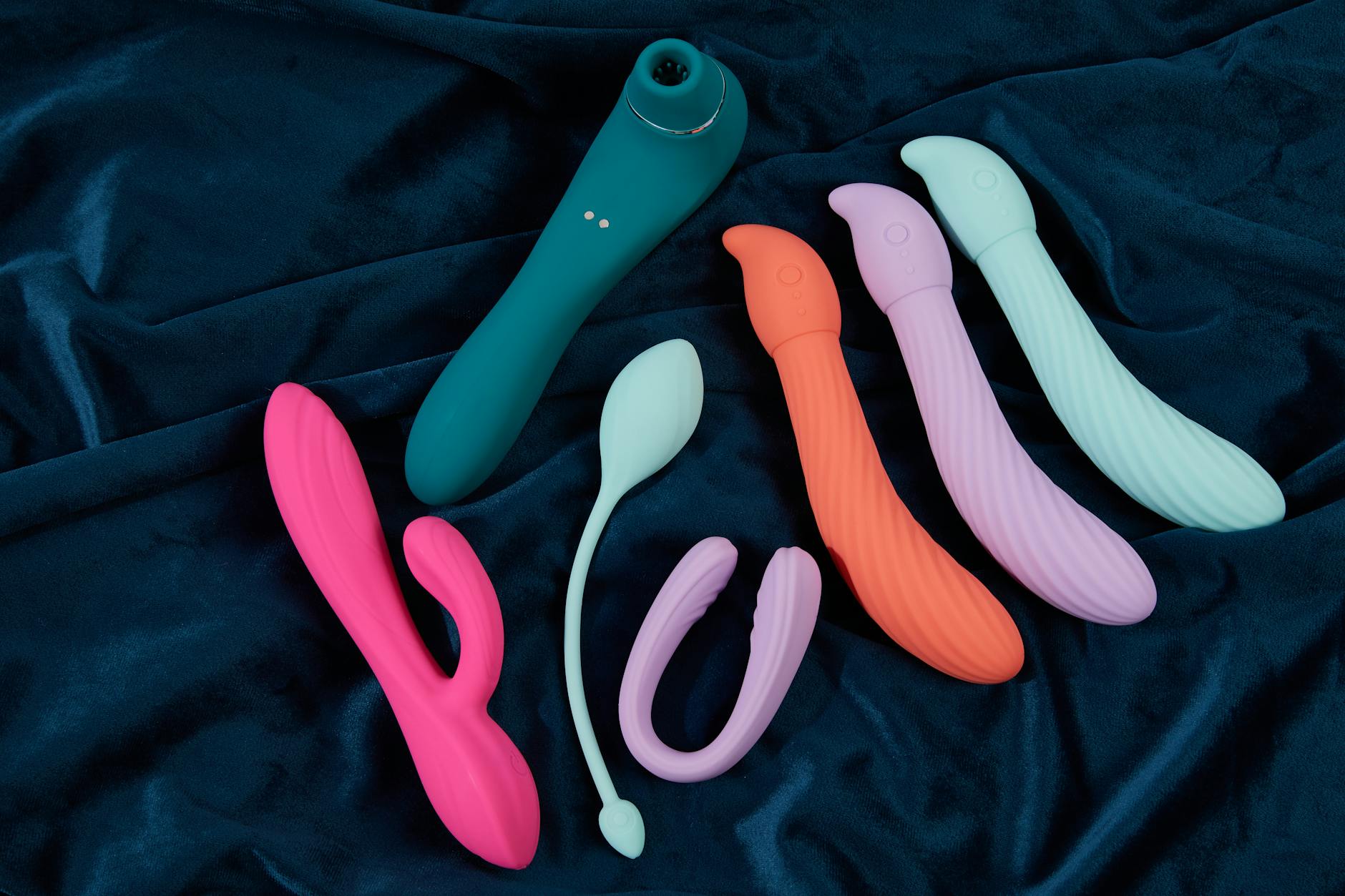
Photo by IFONNX Toys on Pexels
The desensitization protocol that actually works
Desensitization means gradually reintroducing sensation so your nervous system learns it's safe. This takes patience. You're literally rewiring your pain response.
Week 1: No direct contact. Don't use a lemon vibrator or any toy yet. Instead, practice touching the outer labia, the mons pubis, your inner thighs. Your clitoris needs a break. This sounds counterintuitive, but you're teaching your nervous system that touch exists and doesn't have to hurt.
Week 2: Indirect clitoral touch through the hood. When you're ready, touch your clitoris through its hood. The hood acts as a buffer, dampening sensation. Use your finger, not a toy. Spend 5-10 minutes just exploring what indirect touch feels like. You're not trying to orgasm. You're trying to reestablish that touch plus pleasure is possible.
Week 3: Introduce the Lem vibrator at its lowest setting, through the hood. Place the Lem over your clitoral hood, turned on to pattern 1. Don't apply pressure. Just let it sit there. If that feels manageable after 30 seconds, hold it for one minute. Stop. You're done. This isn't about intensity or results. It's about tolerance.
Week 4: Gradually reduce the hood buffer. Still at pattern 1, move the Lem so it's touching the edge of your clitoral hood, partially direct. Again, light pressure. One minute, then stop. If this feels okay, next time add another minute.
Weeks 5 onward: Slowly increase intensity and duration. Move to pattern 2 once pattern 1 feels neutral (not painful, just sensation). Stay there for a week. Then pattern 3. This progression might feel tedious, but rushing it undoes the work.
The timeline varies wildly. Some people rebuild tolerance in six weeks. Others take three months. Your nervous system works at its own pace.
Tools that support the rebuild
While you're reintroducing sensation, make these non-negotiable:
Water-based lubricant, always. Even with suction toys, lube reduces friction and protects your delicate tissue. Use a high-quality, plain water-based lube with no additives. Avoid anything with menthol, warming effects, or fragrance.
Pelvic floor relaxation. Spend 10 minutes daily intentionally relaxing your pelvic floor. Breathe into your pelvic floor like you're trying to soften it downward. Tension makes hypersensitivity worse. A pelvic floor physical therapist can teach you if this feels unclear.
Stress management that actually helps. Anxiety keeps your nervous system on alert, which amplifies hypersensitivity. Whatever calms your nervous system works. Walking, breathing exercises, time outdoors. Not generic advice, not spiritual nonsense. Just what tangibly lowers your baseline stress.
Consistency over heroics. Two minutes every three days is infinitely better than 30 minutes once a month. Your nervous system learns through repetition, not intensity.
When hypersensitivity is pointing to something else
If your hypersensitivity arrived suddenly with no obvious trigger, or if it's accompanied by pain during sex, urination, or general activity, see a gynecologist. You might have vulvodynia, dermatitis, a yeast infection, or another medical condition that needs treatment.
If hypersensitivity started after starting a new medication like an antidepressant or after a period of high stress, talk to your prescriber or a therapist. Sometimes the sensitivity resolves when the underlying trigger does.
If you've been using the desensitization protocol for eight weeks and nothing has shifted, consider working with a sex therapist or pelvic floor specialist. Sometimes the nervous system needs clinical intervention, and that's completely legitimate.
The rebuild is worth it
Clitoral pleasure is one of the most straightforward ways to reconnect with your body and reduce stress. Hypersensitivity isolates you from that. The process of rebuilding tolerance is annoying and slow, but on the other side is a clitoris that feels good again, that responds the way it's supposed to, that you can actually enjoy.
Start small. Be patient. Use lemon clitoral vibrators and other tools thoughtfully. Your clitoris will thank you.
People also ask
Can I use a lemon vibrator if my clitoris is too sensitive?
Not immediately, but yes eventually. Start with weeks of no stimulation, then indirect stimulation, before introducing a lemon vibrator at its gentlest setting through the clitoral hood. The Lem vibrator's suction mechanism is gentler than traditional vibration, which makes it a better choice than direct-contact toys when rebuilding tolerance. Always use water-based lube and start at pattern 1.
How long does it take to fix clitoral hypersensitivity?
It depends on what caused it. If hypersensitivity came from repetitive overstimulation, you might feel significant improvement in 4-8 weeks using a structured desensitization protocol. If it's linked to hormonal changes, pelvic floor tension, or anxiety, the timeline stretches longer. Some people need 3-6 months. The key is consistency, not speed. Pushing too fast causes setbacks.
Is there a difference between hypersensitivity and normal sensitivity?
Yes. Normal sensitivity means your clitoris responds to touch with pleasure. Hypersensitivity means touch causes pain, discomfort, or an exaggerated pain response. You might feel like your clitoris is too exposed, like even gentle contact is sharp or raw. If touch feels bad rather than good, that's hypersensitivity. Normal clitorises sometimes feel tender on certain days, but they don't hurt consistently when touched gently.
Should I take a break from all sex toys if my clitoris is hypersensitive?
Yes, initially. Most people with hypersensitivity need at least one week of no direct clitoral stimulation. This lets your nervous system calm down. After that week, start with external, indirect touching. Reintroduce toys like the Lem vibrator very gradually at low intensity. Total breaks are temporary, but they're necessary for the nervous system to reset.
Can birth control cause clitoral hypersensitivity?
Absolutely. Some hormonal birth control methods thin clitoral tissue or change how your nervous system processes sensation. If hypersensitivity started shortly after switching birth control, talk to your gynecologist. You might need to try a different formulation. Alternatively, hypersensitivity might resolve after your body adjusts over 2-3 months. See Why Lemon Vibrators Feel Different After Switching Birth Control Methods for more on this connection.
How do I know if my pelvic floor tension is making my clitoris hypersensitive?
If your clitoris feels hypersensitive but there's no visible skin damage or infection, and the sensitivity got worse during stressful periods, your pelvic floor is likely involved. Try this: lie down, breathe deeply, and consciously try to relax your pelvic floor muscles for two minutes. If your clitoral sensitivity drops even slightly during this window, pelvic floor tension is part of the problem. Work with a pelvic floor physical therapist to address it. Also read How to Use a Lemon Vibrator With Restless Legs Syndrome and Pelvic Tension for specific strategies.
Can I use numbing products to make lemon vibrators less intense?
No. Numbing agents mask the problem rather than solve it. They also train your nervous system to stop processing sensation altogether, which makes long-term hypersensitivity worse. The goal is to rebuild normal sensation, not eliminate it. Avoid topical anesthetics. Instead, follow the gradual desensitization protocol with tools like the Lem vibrator at progressively higher settings over weeks.
What comes next
Hypersensitivity is an obstacle, not a permanent state. Thousands of people have rebuilt clitoral tolerance and returned to enjoying pleasure. The protocol takes time, but the foundation is always the same. Start gentle. Go slow. Use lemon clitoral vibrators thoughtfully. Be consistent. Your clitoris is waiting to feel good again.
If you're struggling with this process or feel stuck, reach out. Contact us at Hello Nancy if you have questions about which tools work best for sensitive tissue or if you'd like personalized guidance.