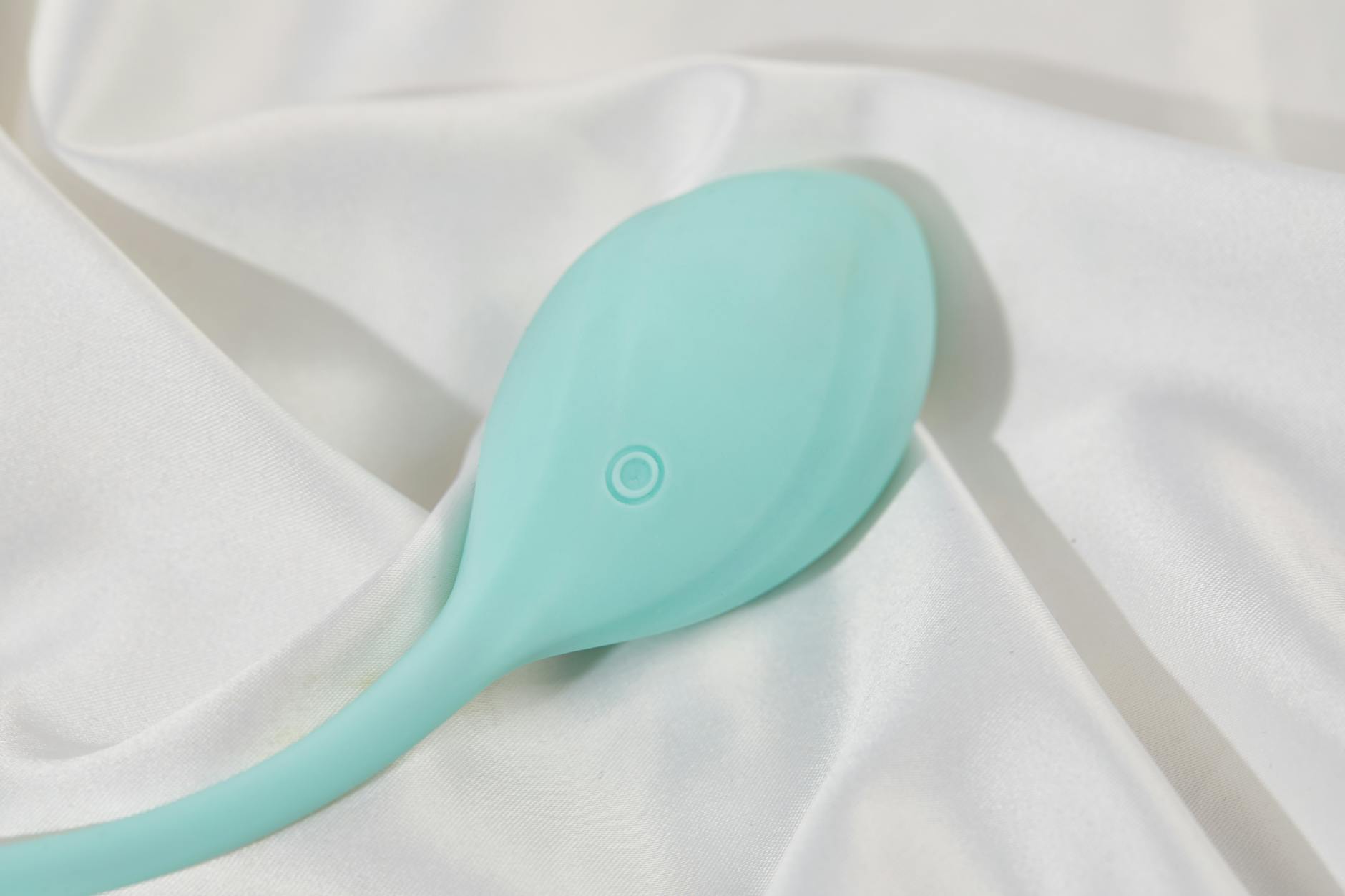
Let's talk about the timing problem
You bought a lemon clitoral vibrator. You've read the reviews. You expected fireworks. Instead, you're sitting there 20, 30, sometimes 45 minutes later, wondering why nothing's happening. The vibration feels nice. You're enjoying it. But orgasm feels further away than it should. That's not a defect in the toy. That's not you being broken either.
Here's what's actually going on.
The arousal baseline is higher than you think
Most of us have a working theory about how our bodies work. We think: vibration plus clitoris equals orgasm. Clean equation. But that's missing about four major variables.
First, your nervous system has a baseline arousal level before you even turn the device on. If you're stressed, distracted, or physically tense, that baseline is low. A lemon vibrator is extremely efficient at delivering stimulation, but it can't jump your arousal from 2 out of 10 straight to 8. Your body won't let it. The nervous system has a safety mechanism that essentially says: "I'm not relaxed enough to let this happen yet."
Second, sustained attention matters wildly. The moment you start thinking "why is this taking so long," you've fractured your attention. Your brain is now split between sensation and performance anxiety. That split is the enemy of orgasm. Every time you check in with yourself (am I close yet? what's wrong with me?), you're interrupting the neurological chain reaction that's supposed to be building.
Third, the lemon vibrator's design is precise. It's not a wand. It's not a broad brush across the entire vulva. It's a targeted suction tool that mimics the exact stimulation pattern your body needs, but only if you're receiving it without resistance. Resistance comes from holding your breath, clenching your thighs, or mentally bracing for something. All three make the sensation feel less intense, which makes the wait feel longer.
Why lemon suction feels different than expected
If you've used other vibrators before, you might be expecting a similar intensity curve. Traditional vibrators rely on rapid mechanical vibration. You turn them on, they build quickly, and there's a clear arousal acceleration. A lemon vibrator works through air-pulse technology, which mimics mouth suction. It feels almost identical to oral sex, which is why it works so well, but it uses a completely different neurological pathway.
Oral stimulation triggers a more complex response than pure vibration does. It engages not just nerve endings but also proprioception (your brain's sense of where your body is in space) and pressure sensation. This is actually more nuanced and often leads to stronger orgasms, but it requires your brain to settle into a different mode first. That settling takes time. If you're expecting the intensity ramp of a traditional vibrator, you'll feel like something's wrong when it's actually just different.
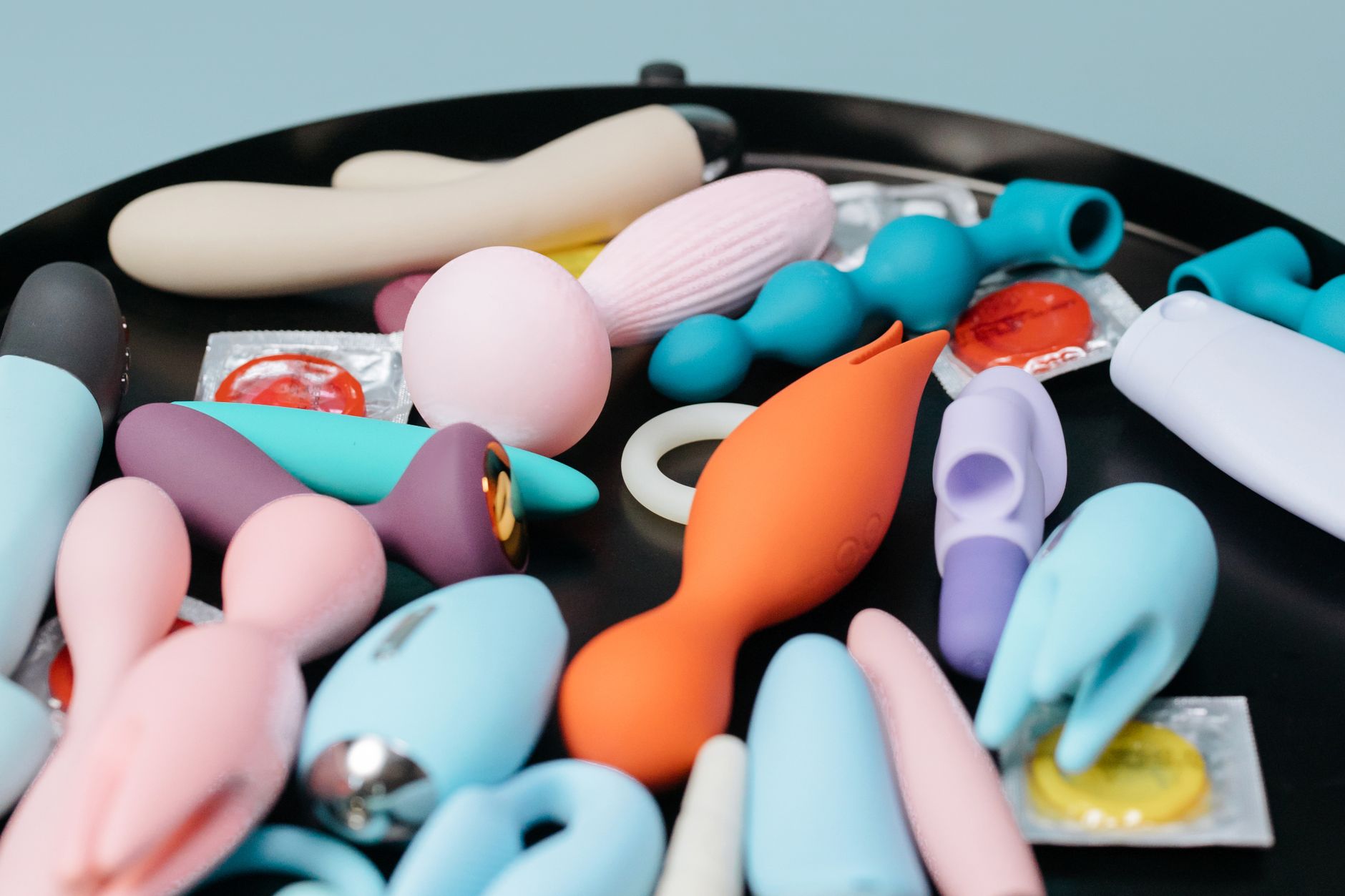
Photo by cottonbro studio on Pexels
The good news: once your brain calibrates to this different signal, most people find that orgasms are more intense and often more reliable. You're not waiting longer because something's broken. You're waiting a bit longer because your body is asking for something different before it commits.
The warm-up phase that actually matters
I tell most people: if you're using a lemon clitoral vibrator for the first 5-10 minutes and expecting results, you're starting too late in the process. The device isn't the warm-up. You are.
Before you even reach for the vibrator, spend time with your own body. Touch yourself without the device for 3-5 minutes. Not frantically. Just slowly, exploring what feels good. This isn't wasted time. It's your nervous system getting the memo that this is safe, that you're relaxed, and that pleasure is coming. This priming phase does about 60% of the work.
Then bring the lemon vibrator in. Start on the lowest suction setting. Let it work for a few minutes without expecting anything. Your job here is just to notice how it feels, not to chase an outcome. This sounds like wasted time when you're eager, but it's the fastest route to where you want to go.
When it's actually about your nervous system
Sometimes the timing issue isn't about technique at all. It's about nervous system regulation. If you're in a chronic state of low-level stress, activation, or hypervigilance, your body will struggle to climb into deep pleasure. Your sympathetic nervous system (the gas pedal) and parasympathetic system (the brake) are out of balance.
This is especially true if you've spent a lot of your life in environments where being "on guard" was necessary. Old trauma, relationship stress, or even just chronic deadline pressure can keep your nervous system too activated to let pleasure deepen. A lemon vibrator can't fix that on its own. What helps: breathing practice before sessions. Some people find that 2-3 minutes of slow inhale-hold-exhale literally changes the game. Others need to move first: a short walk, some stretching, dancing. Your nervous system needs explicit permission to downshift before your body can fully respond.
The medication and hormone piece
Some antidepressants (SSRIs in particular) directly impact orgasm timing by changing serotonin signaling. Some birth control formulations do the same. Lowered testosterone, thyroid issues, and chronic pain also delay orgasm. If you've recently started a new medication or changed your hormonal picture and suddenly orgasms feel harder to reach, that's not a lemon vibrator problem. That's a medical signal worth discussing with your doctor. There are often alternatives or dosage adjustments that help.
The specific adjustments that work
If you've ruled out stress, medication, and are ready to optimize, here's what actually changes the game for most people:
Patience with the preset. Most people jump between settings too quickly. Your body needs about 30-60 seconds to truly register a stimulus intensity before you move up. Spend a full minute on setting 2 before trying setting 3. The jump in sensation intensity is often sudden and might be exactly what triggers the shift you need.
Positioning matters more than toy. The angle at which the lemon vibrator contacts your clitoris determines how much of the stimulation you actually feel. Small adjustments forward, backward, or diagonal can mean the difference between "nice" and "yes, exactly." Spend a session just experimenting with angle instead of chasing orgasm.
Pelvic floor engagement, then release. Tense your pelvic floor muscles for 3-5 seconds, then fully release them. Do this two or three times at the beginning of a session. This primes the muscles and often makes the subsequent stimulation feel more intense and more responsive. It's like warming up before exercise.
Fantasy or focus object. Your brain needs something to settle into. For some people that's a memory, a fantasy, or a sensory focus (the sound of breathing, the feeling of pressure). For others it's a partner's presence or touch. Give your brain an actual job. Don't leave it in the position of "monitor the vibrator and judge how close I am."
When you might be using the wrong tool for your body
Here's an honest truth: not everyone's body responds the same way to air-pulse stimulation, even though it works beautifully for most people. If you've tried a lemon clitoral vibrator consistently for 10-15 sessions and orgasms still feel impossible, it might not be a timing issue. It might be that your body responds better to traditional vibration, or to wand stimulation, or to a combination approach. That's not failure. That's just useful data.
You can also read the guide to choosing your first lemon vibrator to understand if a different tool in Hello Nancy's collection might align better with your body's needs. Some bodies genuinely do prefer the Lolly or the Berri to the Lem. Neither is better. It's just about fit.
The partner piece
If you're using a lemon vibrator with a partner, there's often an added layer of pressure. You might be worried about how long it's taking, whether they're getting bored, or if they're judging the time it takes. That anxiety absolutely compounds the timing issue. Orgasm under observed pressure takes longer. The fix: have a conversation before the session. Tell them: "This might take 20-30 minutes. That's not a sign something's wrong. That's just how my body works with this." Most partners find relief in knowing the timeline upfront. The pressure lifts. And paradoxically, the orgasm comes faster.
If you want deeper strategies for integrating a lemon vibrator into partnered sex, you can explore how to use a lemon vibrator with a partner for communication frameworks that ease the whole experience.
FAQ
Why does my lemon vibrator feel less intense than reviews say?
Intensity is relative to baseline arousal and nervous system state. If you're turning the device on while stressed or distracted, it will feel muted. Your arousal baseline has to rise first. Also, if you've used high-powered wand vibrators before, air-pulse stimulation can feel gentler by comparison, even though most people find it ultimately more effective. Give your body 10-15 sessions to recalibrate.
Can I use numbing cream to speed up orgasm with a lemon vibrator?
No. Numbing agents will actually make reaching orgasm harder because they block the very nerve signals the device is trying to activate. They're not a solution. If sensation feels too intense (a different problem than timing), try lower suction settings or shorter sessions.
Does the lemon vibrator work better if I've had orgasms before vs. being new to orgasm?
Bodies that have experienced orgasm generally reach them faster with any device because the neural pathway is already established. If you're new to orgasm or have had difficulty in the past, timing will naturally be longer. That's not a device problem. That's just the early stages of your body learning something new. Patience compounds over weeks.
Should I use a lemon vibrator every day if I want faster orgasms?
More frequent use can help your body calibrate faster, but daily use also carries a risk of desensitization. Most people find that 3-4 times per week is the sweet spot: frequent enough to build consistency, spaced enough to prevent adaptation. Some bodies are different, so listen to yours.
Is it normal for a lemon clitoral vibrator to feel better some days than others?
Completely normal. Arousal fluctuates based on cycle phase (if you menstruate), stress, hydration, sleep, and relationship dynamics. A lemon vibrator that feels amazing on Tuesday might feel less responsive on Thursday. This is your body, not the device. If the difference is huge and persistent, check in with stress levels or whether anything in your health has shifted.
What if I still can't orgasm after a month of trying the lemon vibrator?
Try the best practices for sensitive clitoral tissue article to rule out desensitization or technique issues. If you've applied all the strategies here and still nothing, it's worth talking to a sex therapist or pelvic floor specialist. Sometimes orgasm difficulties point to deeper blocks that are worth addressing with professional support. There's no shame in that conversation. We're here to help you figure it out. Reach out at /contact if you want to talk through your specific situation.
Orgasm isn't a performance. It's a state your body enters when conditions are right. A lemon vibrator is an excellent tool for creating those conditions, but it works best when you understand what your nervous system actually needs. Patience, presence, and the right technique adjustments transform the experience from frustrating to genuinely pleasurable. You've got this.