Here's what no one tells you about postpartum pleasure
Your body is not the same. Not because you're broken, and absolutely not because you should feel shame about it. But between the tissue changes, the neurological rewiring that happens during pregnancy and birth, the sleep deprivation, and the fact that you're responsible for keeping another human alive, your nervous system is running a completely different operating system than it was before.
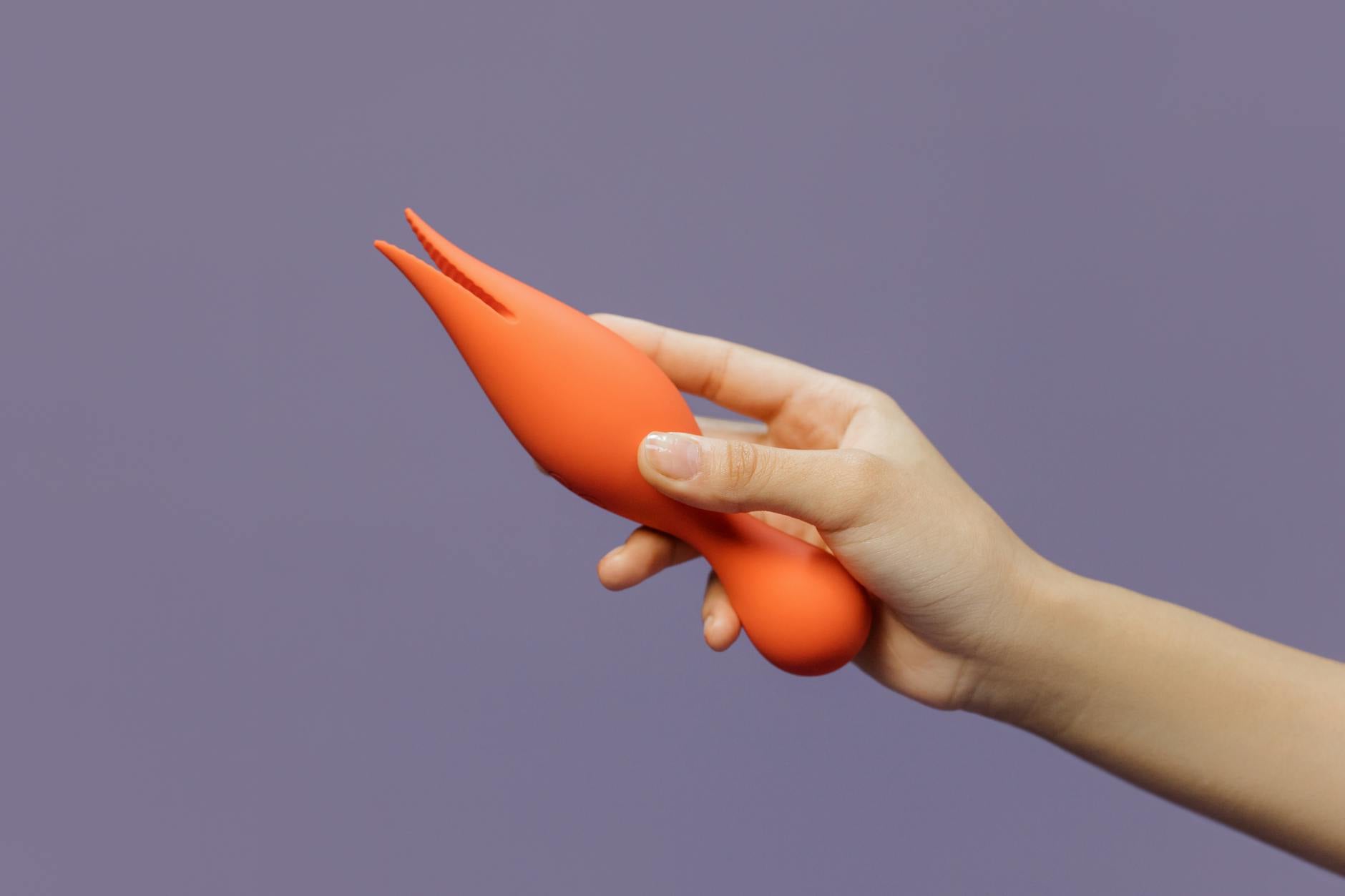
Pleasure doesn't disappear. But the way you access it changes. And if you're reaching for a lemon vibrator or any clitoral vibrator after birth, you might notice that the sensation feels completely unfamiliar. That's not a problem. It's information.
Here's what's actually happening, and why that matters for how you approach intimacy again.
What happens to tissue after vaginal birth
Vaginal tissue stretches significantly during pregnancy and labor. Even with an uncomplicated birth, the tissue becomes thinner, more fragile, and loses some of its natural elasticity temporarily. This process isn't permanent, but the recovery timeline varies wildly. Some people feel back to normal at 6 weeks. Others take 6 months or longer.
The clitoris itself doesn't change structurally, but the tissue surrounding it becomes more sensitive and sometimes more tender. This is partly why direct stimulation from a traditional vibrator can feel overwhelming or even painful right after birth. A lemon clitoral vibrator, which uses gentle suction rather than direct buzzing, often feels less intense in a way that many postpartum people find actually manageable.
Tear severity matters too. If you had a second-degree or worse tear, the healing process involves scar tissue formation, which can change sensation in the area. Internal scars are usually invisible but definitely noticeable when you're trying to feel pleasure again.
The neurological piece that no one talks about
Pregnancy and birth fundamentally rewire your nervous system. Your brain's threat-detection system goes into overdrive. After spending nine months protecting a pregnancy and then experiencing the intensity of labor, your nervous system is essentially on high alert. Even if you're consciously ready to be intimate, your sympathetic nervous system (the fight-or-flight side) might be screaming that you're not safe to relax into pleasure.
This isn't about your relationship or your desire. Your brain is literally keeping you tense because it's protecting you. Many postpartum people describe sex or masturbation during the first few months as feeling almost impossible. Your pelvic floor is locked. Your mind keeps drifting to baby sounds. And even when you try to focus, the sensation just feels flat.
That flattening of sensation is your nervous system doing exactly what it's supposed to do. Pleasure requires relaxation and parasympathetic activation (the rest-and-digest side). When you're running on fumes and your body thinks it's still in protect-the-baby mode, deep clitoral sensation is basically off the table.
Hormones are absolutely doing something here
If you're breastfeeding, prolactin is elevated. That hormone directly suppresses estrogen production, which affects vaginal lubrication and sensitivity. A lemon vibrator doesn't require the same kind of friction that traditional vibrators do, which makes it gentler when tissue is already dry from hormonal shifts.
Oxytocin surges when you're with your baby, and while oxytocin is often described as the bonding hormone, it's also involved in sexual pleasure and orgasm. The problem is, after birth, your oxytocin is basically being redirected toward your baby. Your brain is getting the hit from holding them, feeding them, being close to them. There's only so much oxytocin to go around.
If you're not breastfeeding, hormones are still in flux, but the pattern is different. Estrogen slowly rises back to normal over weeks to months. Most people feel a shift in sensation around 6-8 weeks when estrogen finally stabilizes, even if they're not ready to be physically intimate yet.
Why postpartum people often experience clitoral numbness or reduced sensation
It's not in your head. Reduced sensation is incredibly common in the first few months after birth, and it happens for several reasons at once.
First, there's the sheer depletion. Your body has just done one of the most intense physical things it can do. Your nervous system needs recovery the way an athlete's body needs recovery after an event. When your system is that depleted, sensation is literally one of the first things to go offline.
Second, if you had a tear or an episiotomy, nerve irritation or damage in the area can cause temporary numbness or changed sensation. This usually improves over time as healing happens, but it can take months.
Third, pelvic floor tension is basically universal postpartum. Even if you delivered by cesarean, the tension gets there through compensation patterns and stress. A tight pelvic floor creates a physical block to sensation. That's where learning to relax your pelvic floor during postpartum recovery becomes genuinely valuable, not just nice-to-have.
Why a lemon sucker actually works better postpartum
A lemon clitoral vibrator uses air-suction stimulation instead of direct vibration. This matters postpartum because:
The suction creates a gentle, broad stimulation pattern that doesn't require the tissue to be perfectly lubricated or toughened up enough to handle direct friction. If your tissue is swollen, tender, or healing, that's significantly kinder than a buzzing vibrator pressed against hypersensitive tissue.
It works on the surrounding tissue and not just the most direct point, which means if your clitoris itself feels numb or strange, you might be able to feel the sensation in the surrounding area instead. You're not forcing direct contact with the area that feels off.
The sensation profile is different enough that many postpartum people report it feeling less overwhelming than they expected. Because it's not a familiar sensation, there's almost a reset quality to it. Your nervous system isn't pattern-matching against pre-pregnancy sensation, so the whole experience can feel less fraught.
The emotional and relational layer you can't ignore
Let's be direct: you might not want to be touched at all right now. When you've spent all day with a baby's hands and mouth on your body, the idea of more touch can feel repulsive. That's not a relationship problem or a you problem. It's a physiological response to touch saturation.
If you're thinking about solo pleasure instead, good. That's actually the way back to partnered intimacy for a lot of people. When you're exploring on your own timeline, with your own nervous system, the pressure is off. You're not managing anyone else's experience. You're just getting to know your own body again.
But here's the thing: if your partner has been waiting for you to want sex again, the subconscious pressure can absolutely kill your ability to feel sensation. This is where being honest about the timeline matters. You're not broken. You're not being unreasonable. Your body literally needs time to come back online. Having that conversation separate from the physical exploration makes everything easier.
When to expect sensation to return
If there's no complication (tear, infection, episiotomy), most people notice significant improvement by 8 weeks. Not full sensation, but enough that touching yourself starts to feel like something rather than almost nothing.
If there was a tear, healing usually takes 4-6 weeks for the tissue itself, but nerve sensation can take 3-6 months to fully normalize. That's not fast, and it's not fair, but it's the actual timeline.
Sleep makes a massive difference. Seriously. When you finally get more than an hour of consecutive sleep, your nervous system actually starts to parasympathetic. That's when sensation returns. It's not a priority until your body feels somewhat safe and rested.
If you're still experiencing numbness or significant pain at 6 months postpartum, or if sensation is getting worse instead of better, see a pelvic floor physical therapist. There's no need to white-knuckle through damage that a professional can help with.
The practical pieces that actually help
Start exploring when you feel even a tiny bit ready, not when you think you should. That might be 6 weeks, or it might be 6 months. The timeline is yours.
Lubricant is your friend. Even if you're not breastfeeding, postpartum tissue tends to be drier. Water-based lube makes everything feel more comfortable without adding intensity.
A lemon vibrator can be a genuinely good tool because it's gentler and because the sensation is different enough that it doesn't trigger the weird comparison with how you used to feel. Try it on the lowest setting and work up only if it feels good, not because you think you should feel something.
Keep your pelvic floor in mind. Kegels are good postpartum, but so is intentional relaxation. Tense, then release. The release is where the magic is. If your floor is locked, nothing is going to feel good.
Talk to your partner (if you have one) about what this actually means. You're not done with pleasure. You're rebuilding access to it. It's not a race, and the person who understands that becomes an actual ally in the process instead of a source of pressure.
FAQ
When is it actually safe to use a lemon vibrator after birth?
Most providers say 6 weeks after a vaginal delivery with no complications, but that's a minimum, not a timeline. You need to feel ready, which is different for everyone. If there was a tear or cesarean delivery, check with your provider. And honestly, if you try it at 6 weeks and it feels uncomfortable, waiting another few weeks is fine. There's no prize for rushing back.
Why does stimulation feel completely numb?
Postpartum numbness is usually a combination of nerve irritation from delivery, pelvic floor tension (which blocks sensation), depleted nervous system (your body is running on empty), and hormonal shifts affecting tissue sensitivity. It's temporary, but it takes time. Most people notice improvement between 8-12 weeks, with more significant recovery by 6 months.
Can I use a lemon clitoral vibrator if I'm breastfeeding?
Yes. Stimulation and orgasm don't affect milk supply, and lemon vibrators are safe to use whenever your body feels ready. The main thing is that breastfeeding hormones (prolactin) suppress estrogen, which might make tissue feel different. That's not a reason not to use one. It's just a reason to go slowly and use lubricant.
What if my clitoris feels too sensitive after birth?
Start with the lemon vibrator on the absolute lowest setting, or even just exploring with your hand. Hypersensitivity usually settles down once your nervous system feels safer. If it's painful rather than just intense, that's worth mentioning to a pelvic floor PT. Using a lemon vibrator with a hypersensitive clitoris is definitely possible, but the approach is different than normal.
How long until sex feels normal again?
Normal is a tricky word here. Some people feel ready for partnered sex by 8-10 weeks. Others take 4-6 months. And plenty of people report that sex actually feels different, not worse or better, just different. That often continues to shift over the first year postpartum as your body fully recovers. Give yourself at least 3-6 months before you assume something is wrong.
Is it normal to not want any touch after birth?
Completely normal. You've been touched constantly by a baby. Your body might legitimately need a break from input. That's not rejection of your partner or a sign of something wrong. It's a reasonable nervous system response to overstimulation. This often shifts around 3-4 months when the baby becomes slightly less attached to your body and you get a little more autonomy back.
You're not broken. You're rebuilding.
Postpartum pleasure isn't something that snaps back into place. It's something you gently excavate, with patience for your own nervous system and a realistic timeline. A lemon vibrator, with its gentler suction approach, can be a really useful part of that process because it doesn't demand that your body feel the same way it did before.
Your body has done something extraordinary. Give it time. Give yourself permission to explore at whatever pace actually feels good, not what you think should feel good. And if you want more specific guidance on navigating intimacy during this phase, reach out and we can talk through what's actually happening in your body and your relationship.